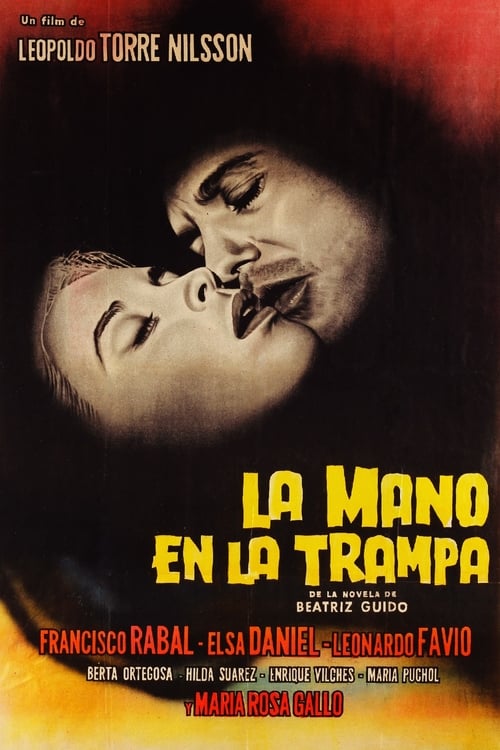
The Hand in the Trap
1961
No user ratings available yet
Representation score: 6.6 out of 10
Representation Score
Good
1963
Director
Leopoldo Torre Nilsson
Runtime
86 minutes
Average Rating
No ratings yetNew Showbiz Analysis
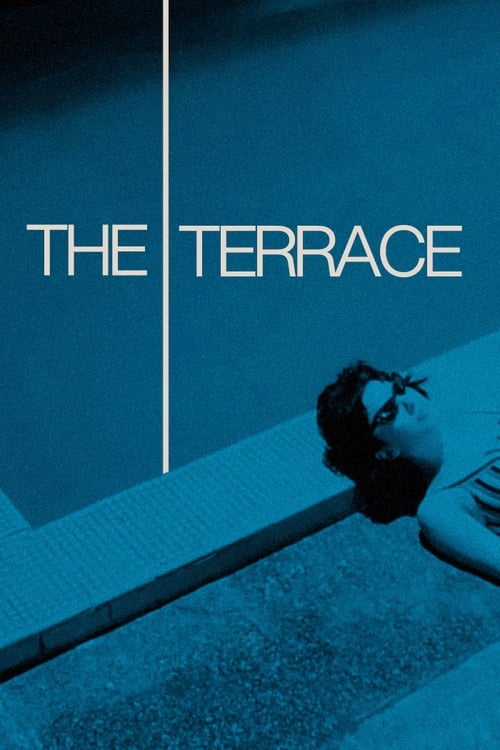
The Terrace is a psychological exploration of the Argentine elite that emphasizes thematic deconstruction over diverse representation. It effectively critiques patriarchal structures and the hypocrisy of the upper class, offering a progressive perspective on social institutions. However, the film remains confined by its historical and class-based context. The cast is racially uniform, and there is a noticeable lack of explicit LGBTQ+ identities or characters with disabilities. Ultimately, the work serves as a critique of class-based norms rather than an effort to promote multi-layered inclusion, prioritizing psychological realism over demographic diversity.
Category Breakdown
The film does not feature explicit LGBTQ+ characters or narratives that question the assumption that everyone is straight. Instead, it explores general emotional repression and unspoken tensions.
The narrative challenges male-dominated structures by highlighting the oppressive constraints placed on women. Female characters gain strength through internal resistance and expressing desires despite a repressive environment.
The cast is uniform, reflecting the socioeconomic insulation of the 1963 Argentine elite. There is no indication of racial mixing or deviation from ethnic norms within this social circle.
The film provides a nuanced critique of traditional Western institutions and moral hypocrisy. It breaks down the family unit by portraying the bourgeois household as a site of decay and isolation.
There are no characters with visible or invisible disabilities central to the story. Any sense of impairment is metaphorical, expressed through psychological fragmentation and communication issues.
Present on Screen
Limited or Absent
Official Synopsis
A group of young aristocrats lock themselves up, for fun, on a terrace in a wealthy building in Buenos Aires. Their parents try to get them out, but they threaten to jump down if any adults enter the terrace.
1961

1950

1957

1962

2000

1958

2009

2015
No reviews yet. Be the first to share your thoughts on this movie!
Use the rating form above to leave a star rating and optional review.