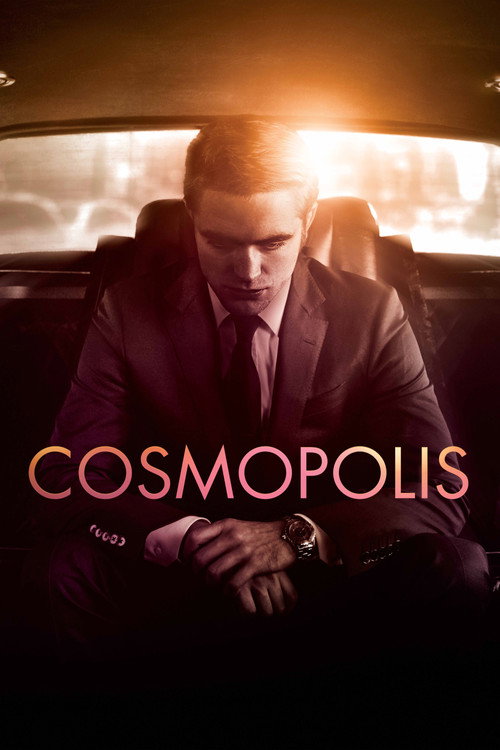
Cosmopolis
2012
No user ratings available yet
Representation score: 6.1 out of 10

Representation Score
Good
2015
RDirector
Ben Wheatley
Runtime
119 minutes
Average Rating
No ratings yetNew Showbiz Analysis
High-Rise operates primarily as a socio-political allegory centered on class warfare. It successfully challenges traditional gender roles, presenting women as active participants in the descent into chaos rather than passive observers. However, the film's focus on vertical social stratification comes at the expense of identity-based representation. LGBTQ+ and racial diversity are sidelined in favor of exploring the psychological fringes of human behavior and systemic decay. Ultimately, the work finds its strength in deconstructing Western institutional stability. It trades conventional character archetypes for a study of how capitalism and isolation drive human regression.
Category Breakdown
The film does not feature prominent LGBTQ+ characters or central non-cisgender identities. Instead, it focuses on the breakdown of social structures through class stratification rather than exploring queer identity-based storytelling.
Female characters play a significant role in driving the story, matching their male counterparts in aggression and social deconstruction. As traditional gender hierarchies dissolve, a shared, primal tribalism emerges.
The narrative emphasizes socioeconomic status and floor level over ethnic diversity. Reflecting a modern London demographic, the focus remains on class-based stratification and upper-class aesthetics.
The film critiques late-stage capitalism and Western institutional failures. It portrays consumerist luxury and traditional family units as fragile structures within a decaying social microcosm.
Mental health shifts are shown as a collective sociological regression rather than individual neurodivergent experiences. There is limited focus on specific physical or sensory disabilities.
Present on Screen
Limited or Absent
Official Synopsis
Life for the residents of a tower block begins to run out of control.
2012

2019
2017

1995

1999

2006
2008

1993
No reviews yet. Be the first to share your thoughts on this movie!
Use the rating form above to leave a star rating and optional review.