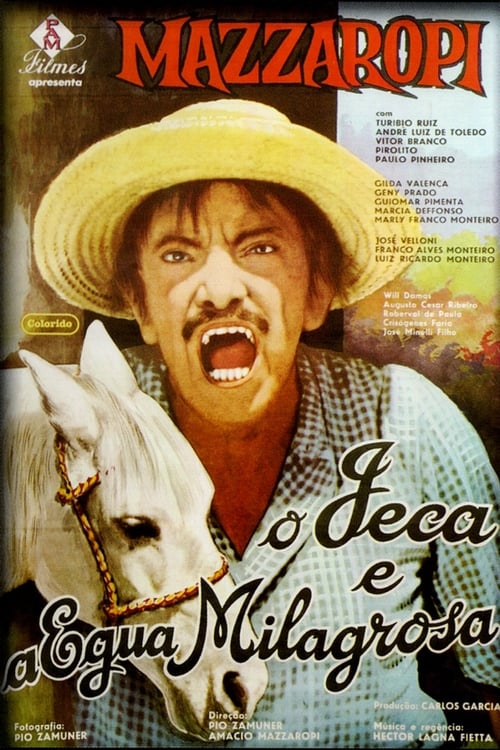
O Jeca e a Égua Milagrosa
1980
No user ratings available yet
Representation score: 4.0 out of 10

Representation Score
Limited
1961
Director
Amacio Mazzaropi
Runtime
95 minutes
Average Rating
No ratings yetNew Showbiz Analysis
Tristeza do Jeca critiques institutional power by focusing on the rural working class against corrupt politicians. It empowers a simple folk hero to challenge traditional authority structures. However, the film adheres to the social norms of 1961, lacking LGBTQ+ characters or non-traditional narratives. Its portrayal of gender roles and racial diversity is limited to the standards of the time.
Category Breakdown
The film follows the social norms of 1961 and does not include any LGBTQ+ characters or stories that challenge heterosexuality.
The story centers around political maneuvering and the character of Jeca. It does not show women taking leading roles or challenge traditional gender roles.
The film highlights the identity of the caipira, a cultural symbol of the rural worker. However, its depiction of racial diversity is typical of the time.
The story criticizes corruption by focusing on a simple rural character against political leaders. Traditional authority figures are portrayed negatively.
There is no evidence of physical or cognitive disabilities being central to the plot.
Present on Screen
Limited or Absent
Official Synopsis
Simple and popular hillbilly Jeca is forced to get involved in politics, when the leaders of the region, competing to be elected mayor of the town, try to get his support.
1980
1975
1959
1969
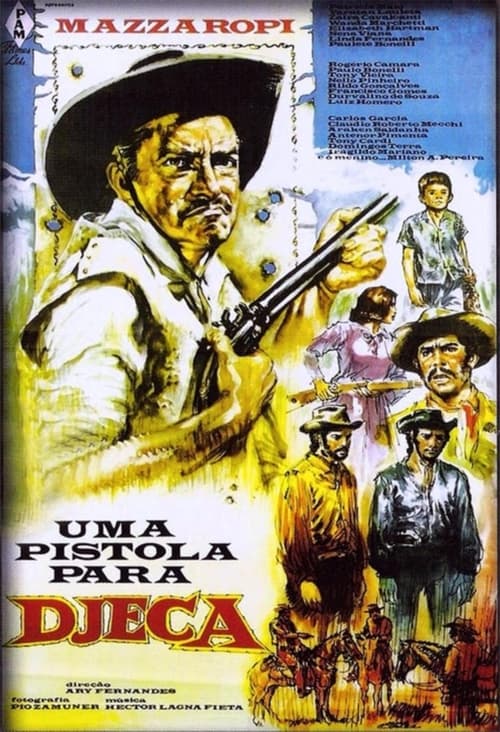
1969
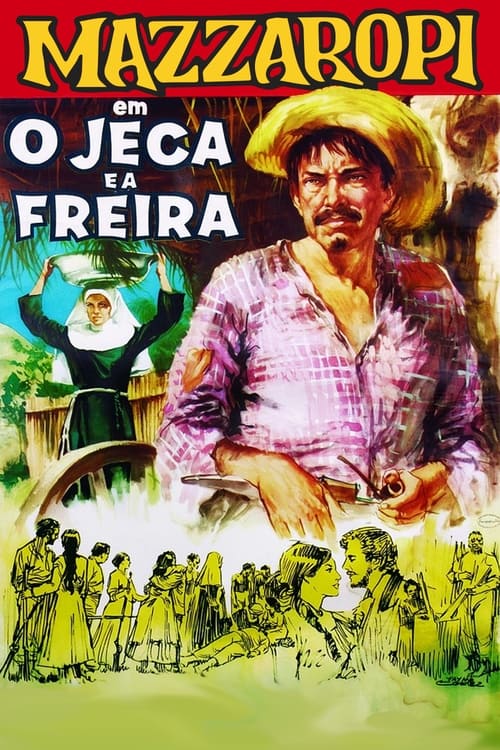
1968
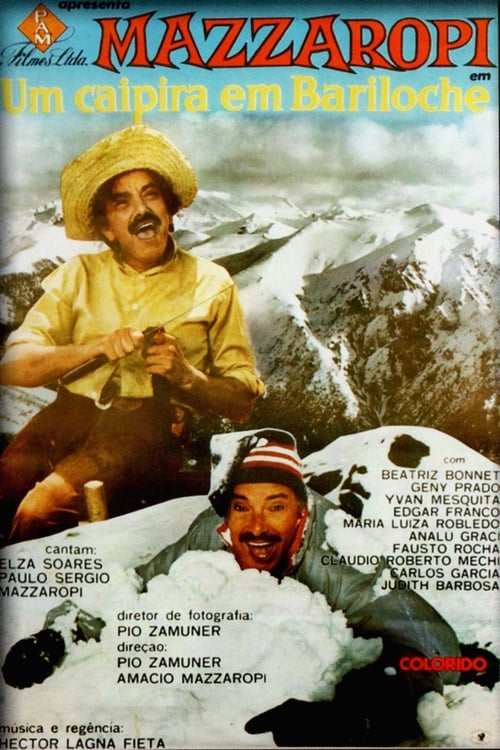
1973
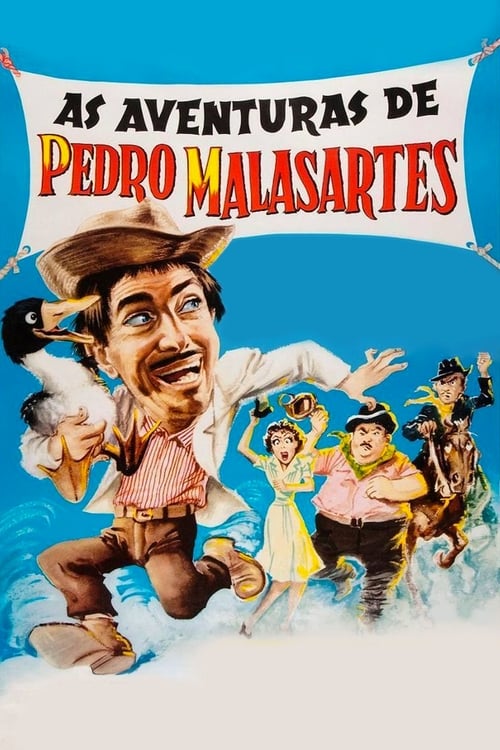
1960
No reviews yet. Be the first to share your thoughts on this movie!
Use the rating form above to leave a star rating and optional review.