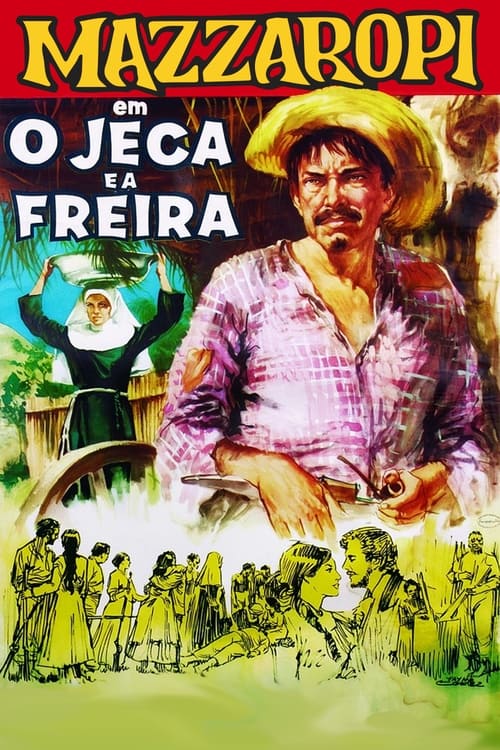
O Jeca e a Freira
1968
No user ratings available yet
Representation score: 2.3 out of 10
Representation Score
Limited
1969
Director
Amacio Mazzaropi
Runtime
95 minutes
Average Rating
No ratings yetNew Showbiz Analysis
Mazzaropi’s comedy relies on the classic friction between the rural 'everyman' and the encroaching urban world. While the film offers a slight inversion of gender dynamics by making the male the object of pursuit, it remains firmly rooted in the comedic clichés of its era. The film primarily serves as a regional comedy rather than a tool for social critique. It explores class and cultural shifts through the protagonist's journey, but lacks intentional characters who reflect more than one aspect of diversity or diverse character archetypes.
Category Breakdown
The film does not include any explicit LGBTQ+ characters or storylines. The plot revolves around a male protagonist interacting with single women, suggesting a focus on traditional heterosexual comedic themes.
The film challenges typical gender roles by showing women pursuing the male protagonist. However, these portrayals often rely on slapstick humor and emphasize the women's marital status.
The racial makeup of the film is not specified, but it likely reflects the demographics of 1969 Brazil. The story focuses more on the class divide between rural and urban life.
The story explores the tension between rural traditions and urban modernization. It highlights a clash between the sentimental values of the countryside and the perceived coldness of the industrial city.
There are no characters with visible or invisible disabilities in the story.
Present on Screen
Limited or Absent
Official Synopsis
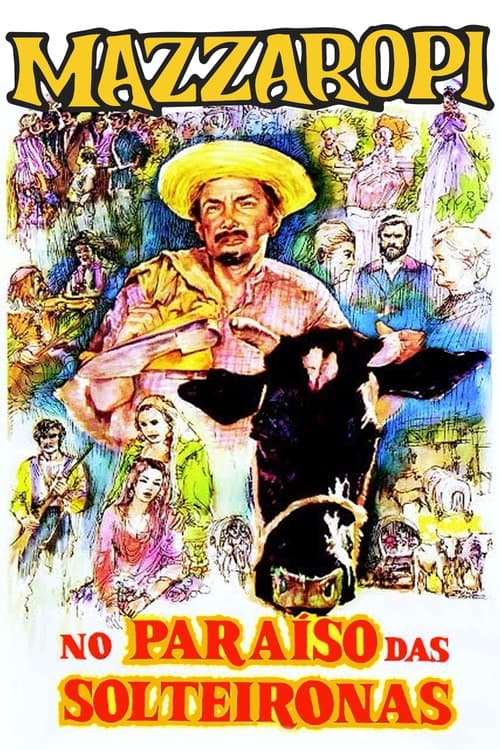
Countryman J.K. gets annoyed and quits his job on a farm when his boss sends his pet cow to a slaughterhouse in town. In search of the animal, J.K. goes to the city and, there, is harassed by several single women.
1968
1977

1960
1938

1957
1961
1975
1954
No reviews yet. Be the first to share your thoughts on this movie!
Use the rating form above to leave a star rating and optional review.