
The Ogre's Bride
2026
No user ratings available yet
Representation score: 3.0 out of 10
Representation Score
Good
2009
Director
Kotaro Terauchi
Runtime
101 minutes
Average Rating
No ratings yetNew Showbiz Analysis
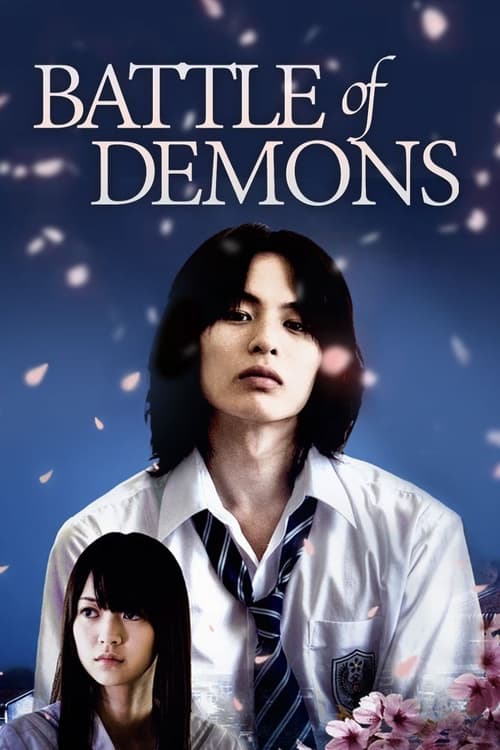
Battle of Demons avoids the pitfalls of idealized romance by focusing on the friction between its protagonists and their forced roles. The film deconstructs traditional social hierarchies, particularly through its subversion of gendered power dynamics. While the narrative offers a critique of traditional institutions, it lacks explicit characters who reflect more than one aspect of diversity or diverse casting. The focus remains on a specific cultural framework and a reluctant central relationship.
Category Breakdown
The film does not explicitly depict same-sex relationships or non-binary identities. It portrays marriage as a burden rather than a celebration, challenging typical romantic narratives.
The story revolves around a female protagonist facing social bullying and supernatural powers. The demon king's reluctance to marry questions traditional masculine authority and dominant male archetypes.
As a Japanese production, the film focuses on a culturally specific context. The fantasy setting may use non-human species to symbolize otherness, but the cast appears culturally homogeneous.
The narrative critiques traditional institutions like marriage by framing the central union as an abduction. It emphasizes folkloric elements over organized religious frameworks or conservative moral structures.
The protagonist's shy and underrepresented status highlights social vulnerability. It is unclear if her isolation is portrayed with ability to act or simply as a plot device.
Present on Screen
Limited or Absent
Official Synopsis
On her 16th birthday, Asagiri Kanna, a shy and bullied girl is abducted and taken to attend a new school. There she finds out she has been promised to marry the demon king, Kaki Kitou. Neither of them seem to be happy about it.
2026
2012

2013
2018

2005

2008

2023
2021
No reviews yet. Be the first to share your thoughts on this movie!
Use the rating form above to leave a star rating and optional review.