
Myths of My Childhood
2005
No user ratings available yet
Diversity score: 3.1 out of 10

1986
Director
Dušan Rapoš
Runtime
81 minutes
Average Rating
No ratings yetSynopsis
The second full-length film of director Dusan Rapos. It was based on Eleonora Gasparova's novel of the same title. The director tells a story about the life and troubles of young people living in the city. The teenagers have to face real life, make their first major decisions, and learn that romance sometimes brings disappointment. The original Slovak music composed for the film by Vaso Patejdl contributed greatly to the film's atmosphere. It helped to make The Fountain for Suzanne a legendary picture of Slovak cinematography at the time.
Overall Score
Limited
Category Breakdown
LGBTQ+ Representation
The film lacks explicit evidence of non-heteronormative identities. The narrative focuses on romance and disappointment without suggesting a critique of heteronormativity.
Gender Representation
The story explores the troubles of urban youth, likely offering a balance of male and female perspectives. However, it does not appear to subvert traditional gender hierarchies.
Racial & Ethnic Diversity
Produced in 1986 Czechoslovakia, the cast is likely ethnically homogeneous. There is no indication of diverse casting intended to challenge demographic norms.
Religious & Cultural Diversity
The film depicts the real life of urban youth within 1980s Eastern European social structures. It lacks clear evidence of critiques against traditional institutions.
Disability Representation
There is no information available regarding the inclusion or portrayal of characters with physical or neurodivergent disabilities.
Strengths
Areas for Improvement
AI Analysis
The Fountain for Suzanne is a coming-of-age drama centered on the universal themes of adolescent decision-making and romantic disillusionment. It functions as a character-driven period piece rooted in the social realities of mid-1980s Eastern Europe. Because the film predates modern frameworks of identity politics, it adheres to the conventional storytelling tropes of its era and region. The narrative architecture prioritizes interpersonal dynamics over intersectional representation. Ultimately, the film lacks the specific markers of intentional social disruption or diverse demographic inclusion required for a higher progressive score.
2005
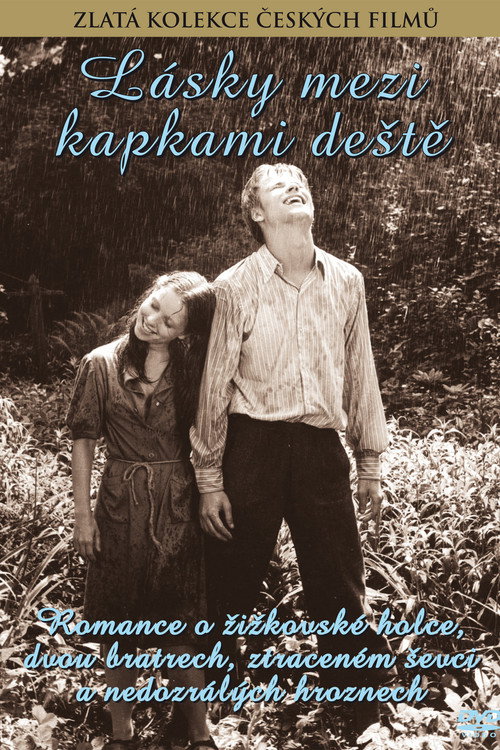
1980
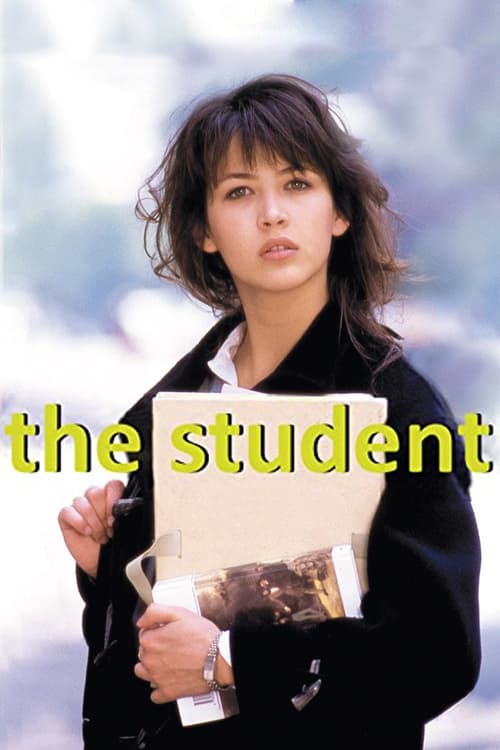
1988
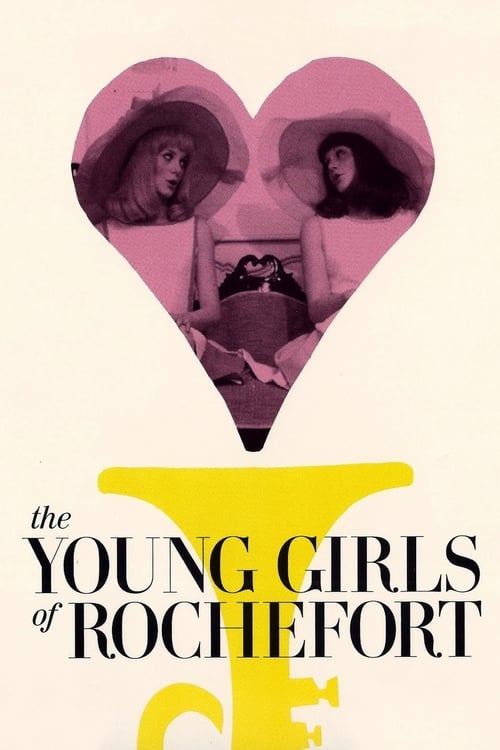
1967
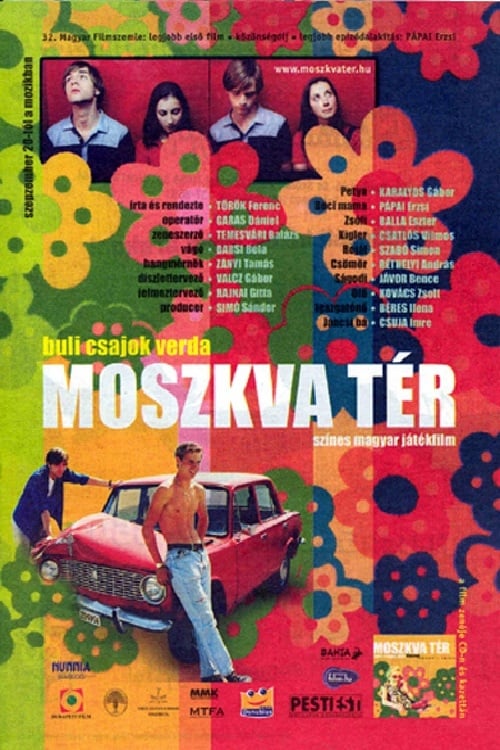
2001

2008

1977
No reviews yet. Be the first to share your thoughts on this movie!
Use the rating form above to leave a star rating and optional review.