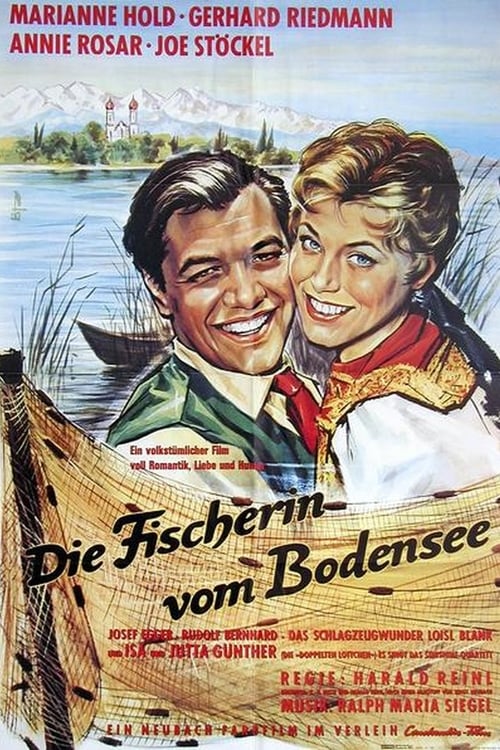
Die Fischerin vom Bodensee
1956
No user ratings available yet
Representation score: 1.6 out of 10

Representation Score
Limited
2005
Director
Yuri Feting
Runtime
105 minutes
Average Rating
No ratings yetNew Showbiz Analysis
Myths of My Childhood is a localized period drama focused on the disillusionment of youth in a 1960s Soviet village. The film prioritizes individual emotional development and the transition from idealized romance to complex reality over systemic social critique. The narrative adheres to the storytelling conventions of its specific historical and geographical context. While it offers a meaningful character study of adolescent passion, it lacks broad representation across identity categories. Ultimately, the film functions as a specific cultural snapshot rather than a work of progressive disruption, resulting in a limited scope of representation across identity categories.
Category Breakdown
The film centers on traditional romantic pursuits and adolescent awakening. There is no explicit depiction of non-traditional gender identities or critiques of the assumption that everyone is straight.
The story follows a male protagonist's emotional growth through his interactions with a female adventuress. While the female character shows significant influence through deception, the power dynamics remain within traditional romantic structures.
Set in a 1960s Soviet village, the film depicts a likely homogeneous population. It does not prioritize racial blending or casting that disrupts the era's social reality.
The narrative explores the tension between youthful idealism and social reality. It focuses on deconstructing childhood myths rather than offering a broad critique of institutional oppression.
There are no visible or invisible disabilities documented within the primary character arcs or the central plot.
Present on Screen
Limited or Absent
Official Synopsis
The story takes place in a small village on the beach of Sea of Azov at the beginning of 1960s. Adolescents passionately dream of love about which they have heard from their elder experienced friends. 16 year-old Ignat is the first to find out what the real feeling is. His love for an adventuress who pretends to be a singer from capital becomes destructive.
1956
1962
2015
1987

1977

1997
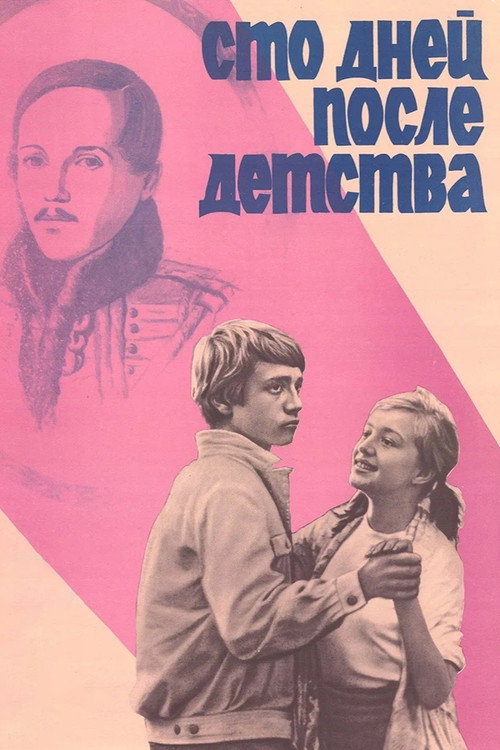
1975

2010
No reviews yet. Be the first to share your thoughts on this movie!
Use the rating form above to leave a star rating and optional review.