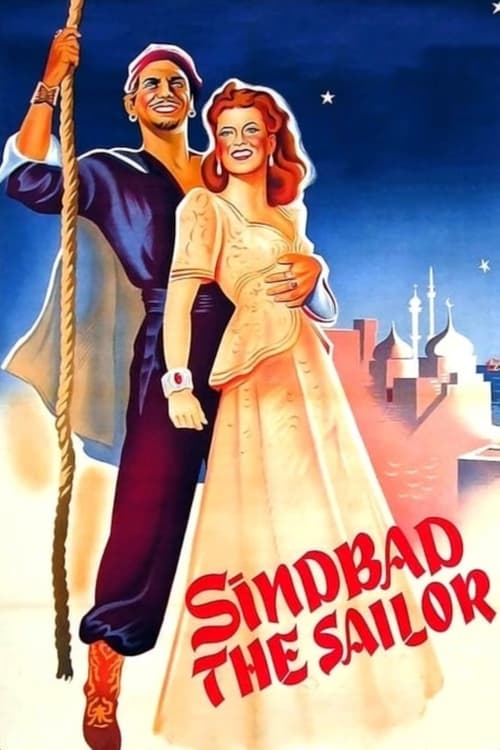
Sinbad the Sailor
1947
No user ratings available yet
Representation score: 0.3 out of 10
Representation Score
Minimal
1954
NRDirector
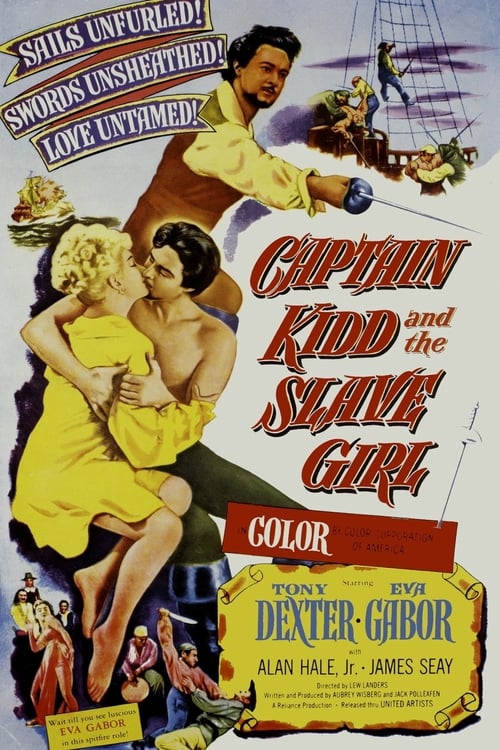
Lew Landers
Runtime
82 minutes
Average Rating
No ratings yetNew Showbiz Analysis
Captain Kidd and the Slave Girl is a quintessential product of its era, prioritizing escapist adventure over social nuance. The film relies heavily on established 1950s clichés that reinforce colonialist power structures and traditional hierarchies. While the film provides visibility to certain characters, that visibility is often tied to positions of subjugation. The narrative focuses on male-driven action and the pursuit of wealth, leaving little room for autonomous or diverse perspectives. Ultimately, the film serves as a standard genre piece that upholds the social and racial status quo of mid-century Hollywood.
Category Breakdown
The film does not include any LGBTQ+ characters or narratives. It follows the strict heterosexual norms typical of 1950s adventure films.
The story follows a traditional male-dominated structure. Captain Kidd drives the plot, while Eva Gabor is portrayed as a 'slave girl,' suggesting she has little control over her actions.
The film uses the 'slave girl' archetype common in mid-century adventures. Characters from underrepresented backgrounds are used as plot devices or markers of status rather than empowered individuals.
The story emphasizes individual heroism and colonial-era power dynamics. It reinforces established social hierarchies through the pursuit of treasure and interactions between nobles and pirates.
There are no characters with visible or invisible disabilities in the narrative.
Present on Screen
Limited or Absent
Official Synopsis
When Captain Kidd is reprieved from the gallows by a greedy nobelman who wants to know the location of his buried treasure, he sets off across the seven seas with faithful slave girl Eva Gabor in tow.
1947

1950
1953

1959

1954

1970

1940

1950
No reviews yet. Be the first to share your thoughts on this movie!
Use the rating form above to leave a star rating and optional review.