
Side By Side
2023
No user ratings available yet
Diversity score: 5.5 out of 10
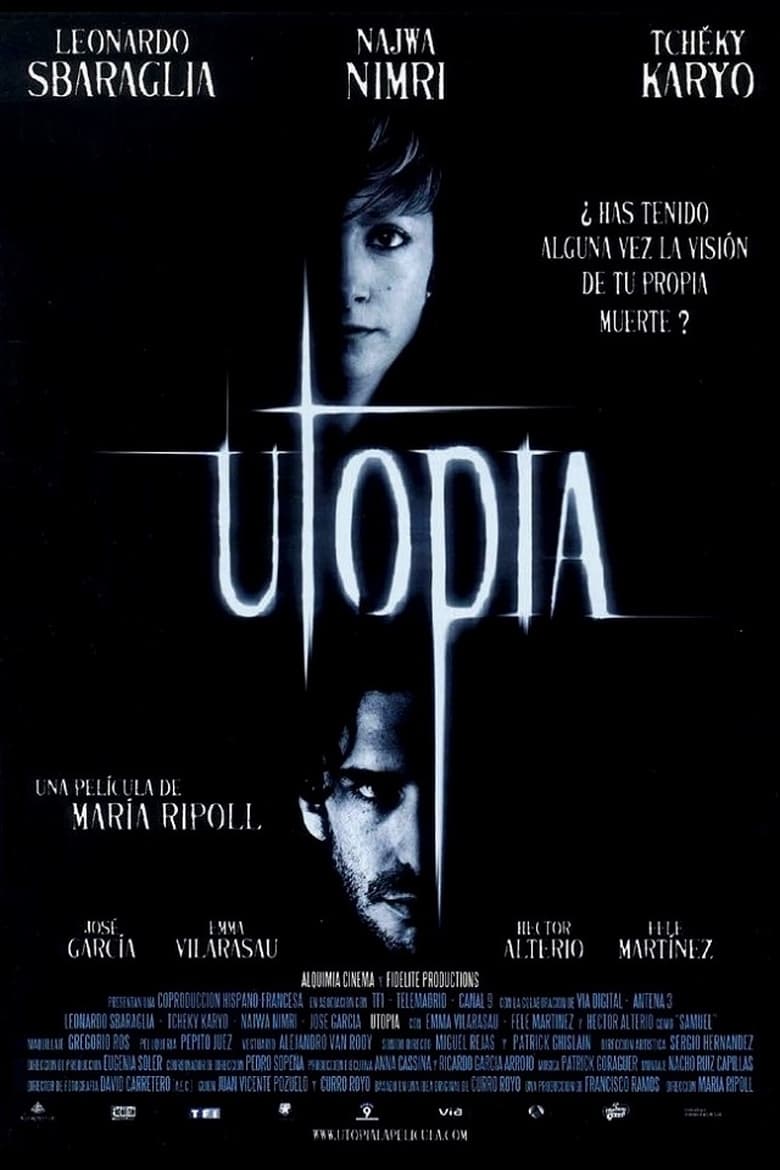
2003
Director
María Ripoll
Runtime
106 minutes
Average Rating
No ratings yetSynopsis
Adrian (Leonardo Sbaraglia) is a young man who has spent years running away from himself, constantly changing city and work, looking for people to relate to the least possible and all for one reason: he has the ability to see things that have not yet occurred, is a precog. He learned it when he anticipated the death of his parents and could not do anything about it. Adrian tries, unsuccessfully, to flee from his gift
Overall Score
Fair
Category Breakdown
LGBTQ+ Representation
The film offers no explicit evidence of LGBTQ+ characters or non-heteronormative narratives. The story focuses almost entirely on the protagonist's internal struggle with his precognitive abilities.
Gender Representation
The narrative architecture centers on Adrian, a male protagonist. There is no information regarding the agency of female characters or the subversion of traditional gender hierarchies.
Racial & Ethnic Diversity
As a Spanish production, the film operates within a non-Anglo-Saxon framework. However, the focus on a singular, isolated protagonist limits the visibility of a diverse ensemble.
Religious & Cultural Diversity
The film explores themes of fatalism and the burden of knowledge. It prioritizes individual psychological experience over traditional institutional or religious frameworks.
Disability Representation
Adrian’s precognition functions as a metaphor for navigating the world with a non-standard cognitive experience. His trauma and social isolation stem directly from this unique condition.
Strengths
Areas for Improvement
AI Analysis
Utopia is a character-driven drama that finds its strength in exploring neurodivergent-coded experiences. By centering the story on a protagonist whose cognitive reality causes profound social isolation, the film moves away from conventional hero tropes. However, the film's narrow focus on Adrian's internal psychological struggle limits its broader social scope. The lack of visible secondary characters makes it difficult to assess how the film handles intersectional identities or diverse social dynamics. Ultimately, the film provides a moderate level of representation by treating a speculative ability as a source of lived trauma and isolation, even if it lacks broader demographic variety.
2023

2001

1997

2018
2019

2021

2011

2014
2009

2012

2019

2013
No reviews yet. Be the first to share your thoughts on this movie!
Use the rating form above to leave a star rating and optional review.