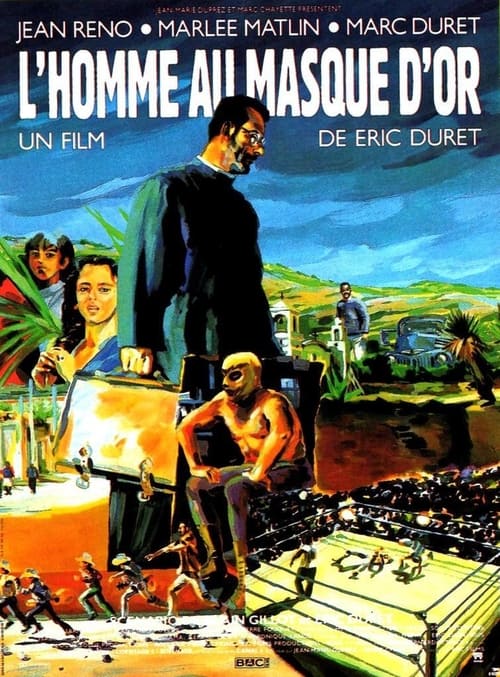
L'homme au masque d'or
1991
No user ratings available yet
Representation score: 5.2 out of 10
Representation Score
Fair
1979
Director
Gilberto Martínez Solares
Runtime
85 minutes
Average Rating
No ratings yetNew Showbiz Analysis
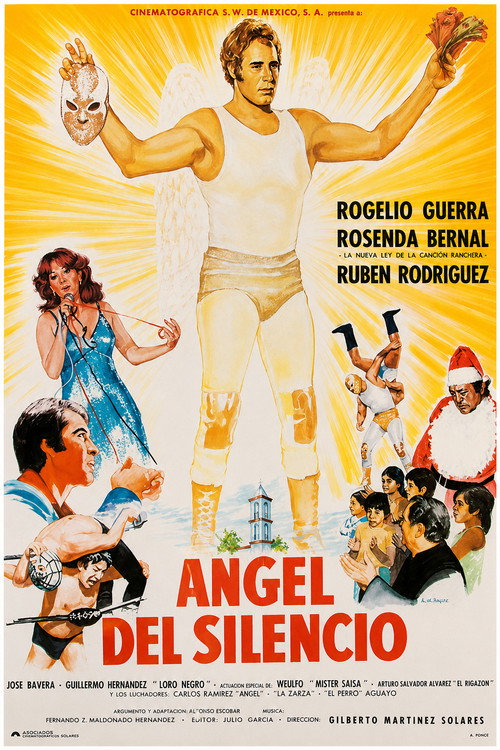
Ángel del silencio is a genre-driven work that leans heavily on established Mexican cinematic archetypes. It succeeds in centering a protagonist with a disability and provides a culturally specific atmosphere through its use of lucha libre and ranchera music. However, the film adheres to conservative social structures. It reinforces traditional gender roles and relies on religious institutions to provide moral stability, offering little subversion of the status quo. Ultimately, the film is a product of its era, prioritizing populist storytelling and conventional triumph-over-adversity arcs over progressive social commentary.
Category Breakdown
The film lacks explicit LGBTQ+ characters or narratives. The central romance follows a traditional path between the protagonist and a ranchera singer.
Gender dynamics follow traditional patterns. The male protagonist acts as the primary protector, while the female singer occupies a role reminiscent of the damsel in distress cliché.
The film centers a Mexican cultural perspective through its setting and archetypes. It prioritizes regional identity via ranchera music and lucha libre traditions.
Narrative themes are tied to traditional religious and social hierarchies. The Catholic orphanage serves as a paternalistic, stabilizing force within the story's moral framework.
Disability is central to the protagonist's identity as a handicapped laborer. His journey toward empowerment through lucha libre highlights his personal ability to act.
Present on Screen
Limited or Absent
Official Synopsis
Handicapped day-laborer crushes out on a ranchera singer, then has a chance to save her from ruffians. After that, he becomes a ward/employee of a Catholic orphanage and trains for lucha libre competition with an aging wrestler who mentors him.
1991

2006
1970
1975
1975
1957

1963

1946
No reviews yet. Be the first to share your thoughts on this movie!
Use the rating form above to leave a star rating and optional review.