
Sor Tequila
1980
No user ratings available yet
Representation score: 5.4 out of 10
Representation Score
Fair
2006
PGDirector
Jared Hess
Runtime
92 minutes
Average Rating
No ratings yetNew Showbiz Analysis
Nacho Libre is a character study of a social outsider that finds its strength in its refusal to center Anglo-centric norms. By grounding the story in a Mexican monastery and local lucha libre culture, the film offers a nuanced portrayal of a non-Anglo community. However, the film remains limited by its narrow focus on heterosexual relationships and a heavily male-centric environment. While it deconstructs institutional rigidity, it does not actively engage with diverse identity politics or queer narratives. Ultimately, the film's value lies in its prioritization of individual empathy and communal care over strict social or religious hierarchies.
Category Breakdown
The story focuses on heterosexual relationships, particularly the protagonist's attraction to Sister Encarnación. There are no queer narratives or non-straight identities depicted.
The film centers on a male-dominated monastic and wrestling environment. Women play supporting roles that do not challenge traditional gender hierarchies.
The film excels by centering a Mexican cast and local wrestling culture. It avoids a Western perspective by grounding the protagonist's role in his specific cultural context.
The narrative critiques rigid religious doctrines by presenting the protagonist's actions as morally superior. It contrasts capitalist wrestling glamour with a simple communal lifestyle.
Characters are portrayed through social quirks and physical awkwardness. These traits serve comedic purposes rather than exploring the lived experiences of disability.
Present on Screen
Limited or Absent
Official Synopsis
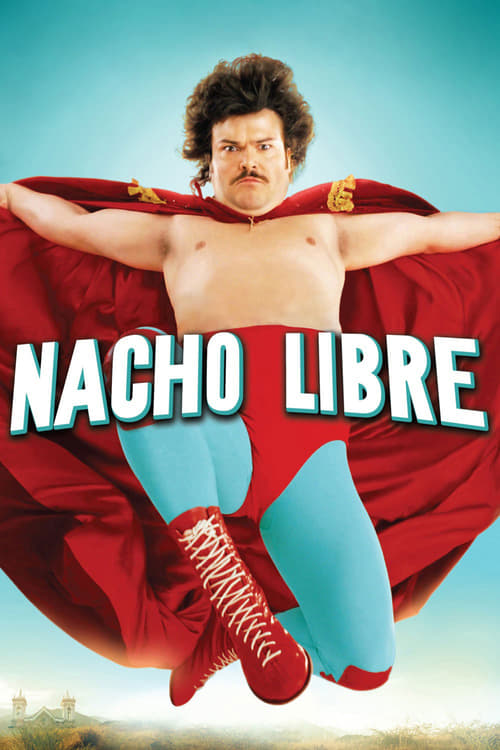
Ignacio, a disrespected cook at a Mexican monastery, can barely afford to feed the orphans who live there. Inspired by a local wrestling hero, he decides to moonlight as the not-so-famous Luchador "Nacho Libre" to earn money for the monastery -- not to mention the admiration of beautiful nun Sister Encarnación.
1980

2009

1993

1998

1991

2015

1987
1979
No reviews yet. Be the first to share your thoughts on this movie!
Use the rating form above to leave a star rating and optional review.