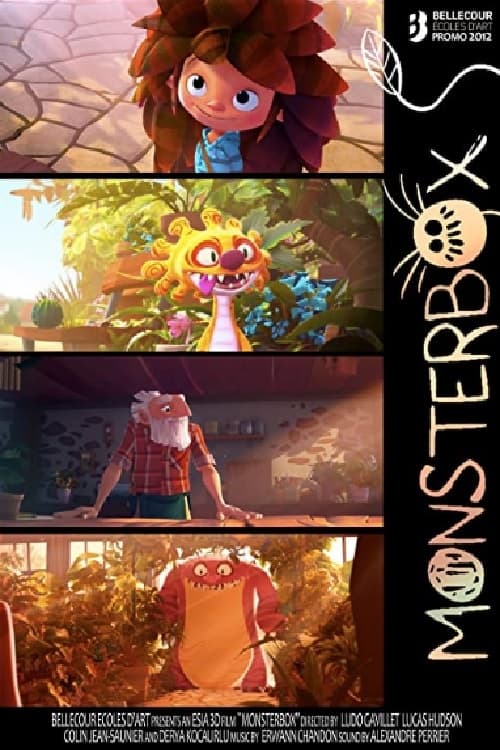
Monsterbox
2012
No user ratings available yet
Representation score: 1.6 out of 10
Representation Score
Limited
2017
TV-PGDirector
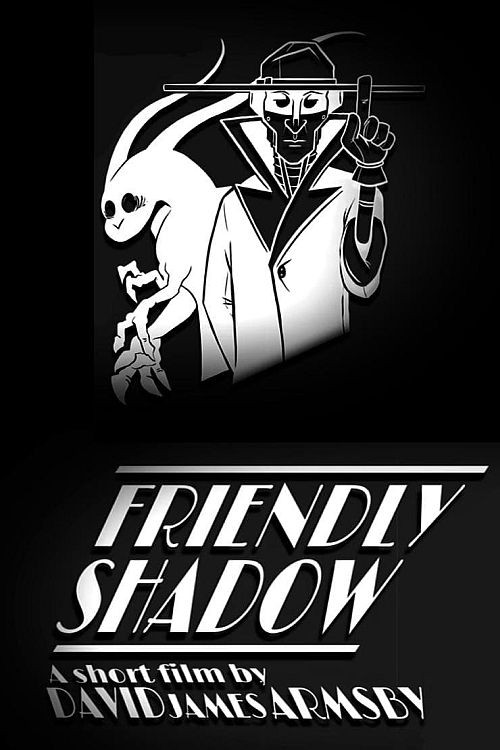
David James Armsby
Runtime
4 minutes
Average Rating
No ratings yetNew Showbiz Analysis
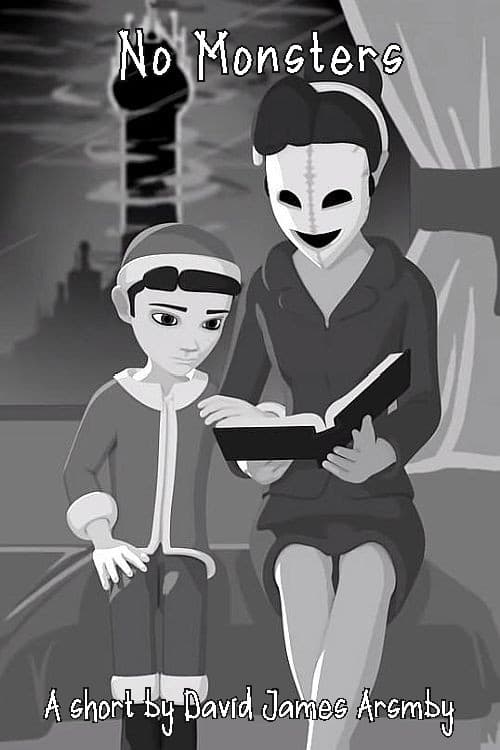
No Monsters focuses on thematic and psychological depth rather than demographic diversity. It serves as a critique of enforced tranquility, using the setting of Autodale to explore the tension between institutional rhetoric and lived experience. The film's strength lies in its sophisticated narrative that challenges conventional expectations of safety. However, it lacks explicit representation across most identity categories, focusing instead on psychological realism and systemic critique.
Category Breakdown
The film does not provide any direct information about sexual orientation or gender identity. The main focus is on psychological horror and the control exerted by the system.
The instructional and parental tones suggest a traditional family environment. There is no indication of gender subversion, so the representation remains neutral.
There is no information available about the racial makeup of the cast. Therefore, there is no verifiable data to assess the visual representation of the residents of Autodale.
The film critiques the idea of manufactured social harmony by questioning the stability of institutions. It emphasizes subjective truth over the reassuring narratives provided by authority figures.
There is no information about the portrayal of neurodivergence, mental health issues, or physical disabilities in the film.
Present on Screen
Limited or Absent
Official Synopsis
Welcome back to Autodale, children. Today’s programming is nearly done, which means it is time for bed. But sadly, not all dreams are sweet, some are scary and full of monsters. If any night terrors haunt your sleep, children; always remember that you’re safe in Autodale. There are no monsters here. This film is a sequel to animated short “Being Pretty”.
2012
2017
2018
2013
2018
2020
2017
1983
No reviews yet. Be the first to share your thoughts on this movie!
Use the rating form above to leave a star rating and optional review.