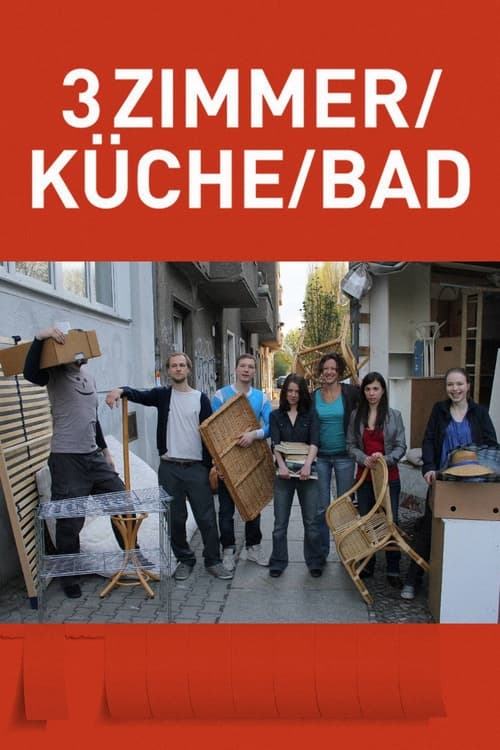
Move
2012
No user ratings available yet
Representation score: 4.8 out of 10

Representation Score
Fair
2016
Director
Marie Kreutzer
Runtime
96 minutes
Average Rating
No ratings yetNew Showbiz Analysis
Marie Kreutzer’s satire offers a sophisticated look at the disintegration of identity within the modern bourgeoisie. The film succeeds by prioritizing complex gender dynamics and a sharp critique of consumerist social signaling. However, the film is limited by a lack of racial and ethnic diversity. The focus remains strictly on the cultural nuances of the white Austrian urban middle class. Ultimately, the work trades broad demographic representation for deep sociological insight into class and lifestyle-driven identity.
Category Breakdown
The film explores the fluidity of identity during adolescence and early adulthood. It incorporates non-straight relationships naturally, avoiding heavy-handed clichés to challenge traditional structures.
Women's ability to drive the story and their emotional complexity are central to the narrative. The film challenges traditional hierarchies by focusing on the intellectual and internal lives of its women.
The cast is predominantly white and European, reflecting its specific Viennese setting. This focus on the Austrian middle class results in a very homogeneous visual landscape.
The satire brilliantly deconstructs modern consumerism and performative lifestyles. It examines the tension between individual freedom and the social obligations of the middle class.
There is no significant evidence regarding the portrayal of visible or invisible disabilities within the narrative.
Present on Screen
Limited or Absent
Official Synopsis
Three couples in Vienna have children at around the same time. They're all in their mid-30s, successful, cool and live in a popular part of town. As idealistic as they are materialistic, they grow tomatoes on the balcony, drink locally roasted coffee and expensive cocktails and would never buy an electronic device sporting a half-eaten apple. And they're absolutely certain that you can have children without becoming bourgeois. But the reality tells a different story. Between career and kindergarten, Apple and alternative lifestyles, the satire plays cleverly with hipster clichés and mercilessly points up the gap between the old self-image and the new bourgeoisie.
2012
2015
2017
2020
2013
2013
2021
1989
No reviews yet. Be the first to share your thoughts on this movie!
Use the rating form above to leave a star rating and optional review.