
You, Me and Us
2012
No user ratings available yet
Representation score: 7.6 out of 10
Representation Score
Fair
2015
Not RatedDirector
Julie Delpy
Runtime
99 minutes
Average Rating
No ratings yetNew Showbiz Analysis
Julie Delpy’s direction effectively highlights the inner worlds of women. By focusing on the psychological experiences of women, the film avoids typical male-driven narratives and challenges traditional gender roles. However, the film’s social context is limited. Set mainly among a white, middle-class community, it lacks racial diversity. This confines the film’s cultural impact despite its progressive themes. Ultimately, the film skillfully critiques traditional family structures and romantic clichés. It provides a nuanced look at autonomy and non-traditional social dynamics, though it remains rooted in its Parisian setting.
Category Breakdown
The film examines the flexibility of desire and female attraction. It incorporates non-straight relationships naturally to question strict, traditional relationship models.
The story focuses on women's ability to drive the narrative and their existential struggles. It downplays traditional masculinity, making it a secondary element to the female experience.
The setting is primarily white and middle-class Parisian society. There is no significant racial diversity or intentional casting without regard to race.
The film dismantles the idealized family through strained parent-child relationships. It emphasizes personal freedom and secularism over traditional Western institutions.
There are no prominent portrayals of physical or cognitive disabilities. No characters with disabilities play central roles in the story.
Present on Screen
Limited or Absent
Official Synopsis
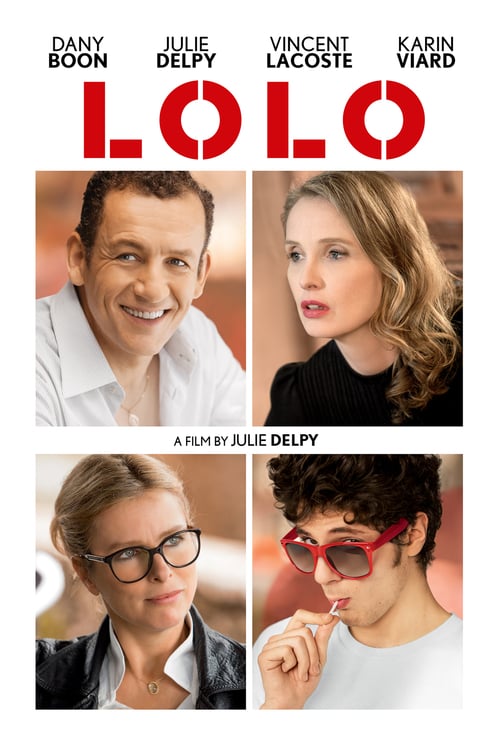
On holiday in the south of France, chic Parisian sophisticate Violette meets life-loving IT geek Jean-René. Against all odds, there’s a real chemistry between them and at the end of the summer, Jean-René wastes no time in joining his beloved in Paris. But there’s trouble in paradise, and a third party swiftly appears to shatter the couple’s idyll: Lolo, Violette’s ultra-possessive 19-year-old son, who is determined to get rid of his mother’s lover, whatever it takes…
2012

2000

2018
2014

2012

2016

2018

2007
No reviews yet. Be the first to share your thoughts on this movie!
Use the rating form above to leave a star rating and optional review.