
Chaplin Today: Limelight
2003
No user ratings available yet
Representation score: 4.4 out of 10
Representation Score
Good
2003
Director
Alain Bergala
Runtime
26 minutes
Average Rating
No ratings yetNew Showbiz Analysis
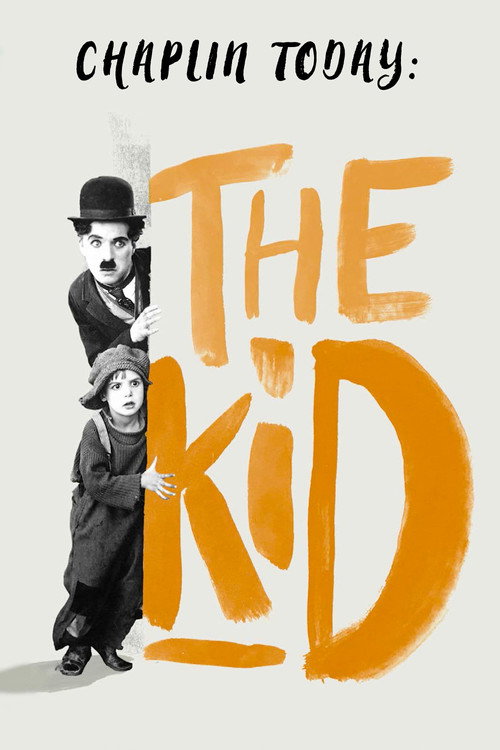
Alain Bergala’s documentary serves as a scholarly retrospective rather than a social commentary. It functions as an archival tool to preserve the legacy of Charlie Chaplin’s 1921 masterpiece, *The Kid*. The work adheres to traditional biographical and film-history frameworks. Because it focuses on the early 20th century, it naturally reflects the era's limited racial and gender diversity without actively disrupting historical hierarchies. Ultimately, the film prioritizes historical preservation. It offers a conventional look at cinematic history, providing context for the socio-economic themes of the silent era without modern ideological intervention.
Category Breakdown
The documentary stays neutral and focuses on the technical and biographical aspects of Charlie Chaplin's era without promoting heterosexual relationships or presenting explicit LGBTQ narratives.
The film looks at early Hollywood gender roles through a biographical lens. While it highlights female performers of the silent era, the narrative centers on Chaplin.
The content reflects the social constraints of early American cinema. It lacks modern diverse casting, focusing instead on the historical period of the original 1921 film.
The documentary explores socio-economic themes like class struggle and working-class hardships. These elements provide a social critique framed through the lens of film history.
There is no specific evidence regarding the portrayal of disability. The score reflects a neutral stance due to the absence of neurodivergent or physical disability narratives.
Present on Screen
Limited or Absent
Official Synopsis
This documentary is featured on the two-disc Chaplin Collection DVD for "The Kid" (1921), released in 2004.
2003

2003

2003
1965

2003

2003

2003
2003
No reviews yet. Be the first to share your thoughts on this movie!
Use the rating form above to leave a star rating and optional review.