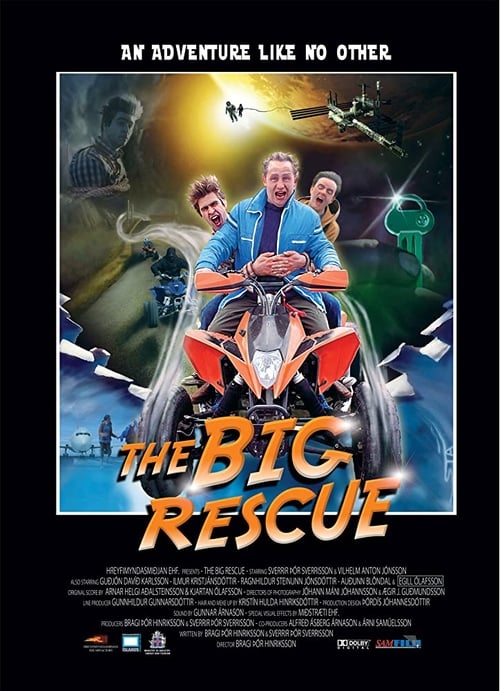
The Big Rescue
2009
No user ratings available yet
Diversity score: 3.9 out of 10

2001
Director
Lasse Spang Olsen
Runtime
95 minutes
Average Rating
No ratings yetSynopsis
The future is stolen by Captain Bill the Black. It is up to the infamous pirate Jolly Roger and his great-great-great grandchild Lula to save it, helped by the two arch-angels Theobalt and Emil.
Overall Score
Fair
Category Breakdown
LGBTQ+ Representation
The film lacks explicit evidence of LGBTQ+ characters or non-cisnormative identities. While arch-angels are present, their identities remain undefined within the narrative context.
Gender Representation
Lula serves as a central protagonist, providing a degree of female agency in this high-stakes adventure. However, the power dynamics between her and the male characters remain unclear.
Racial & Ethnic Diversity
The production features a prominent Danish cast, suggesting a specific European cultural focus. There is no documented evidence of diverse racial casting or intersectional breadth.
Religious & Cultural Diversity
The story utilizes Western mythological motifs like arch-angels and pirate tropes. While surrealism is present, there is no clear evidence of significant cultural or secularist subversion.
Disability Representation
The narrative provides no mention of characters with visible or invisible disabilities. No information is available regarding neurodivergence or physical disability representation.
Strengths
Areas for Improvement
AI Analysis
Jolly Roger functions as a surrealist family adventure that prioritizes imaginative world-building over social commentary. The narrative follows a traditional quest structure centered on reclaiming a stolen future. While the film includes a female lead, Lula, who drives the plot, the broader character ensemble lacks documented intersectional complexity. The cast is rooted in a specific Danish cinematic context, which limits the visible racial and ethnic breadth. Ultimately, the film relies on established archetypes and mythological motifs. It does not appear to engage in intentional systemic subversion or provide significant representation for marginalized identities.
2009

2009

2006

2004

2006
2014

1982

2020

2010

2014

1972
1970
No reviews yet. Be the first to share your thoughts on this movie!
Use the rating form above to leave a star rating and optional review.