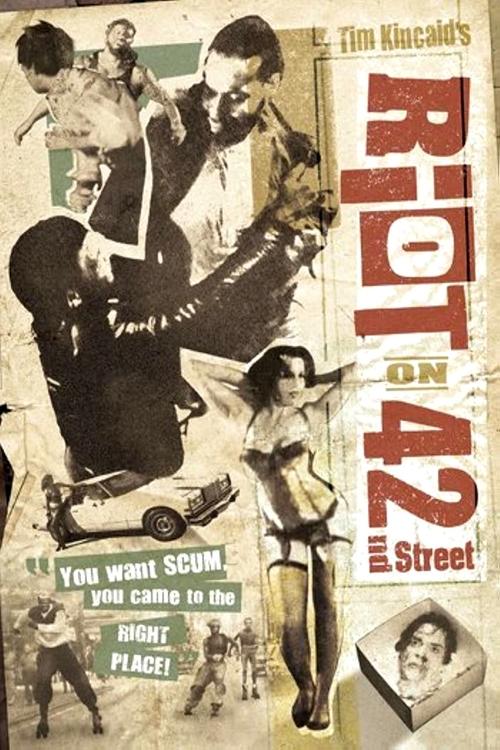
Riot on 42nd St.
1987
No user ratings available yet
Representation score: 2.4 out of 10
Representation Score
Limited
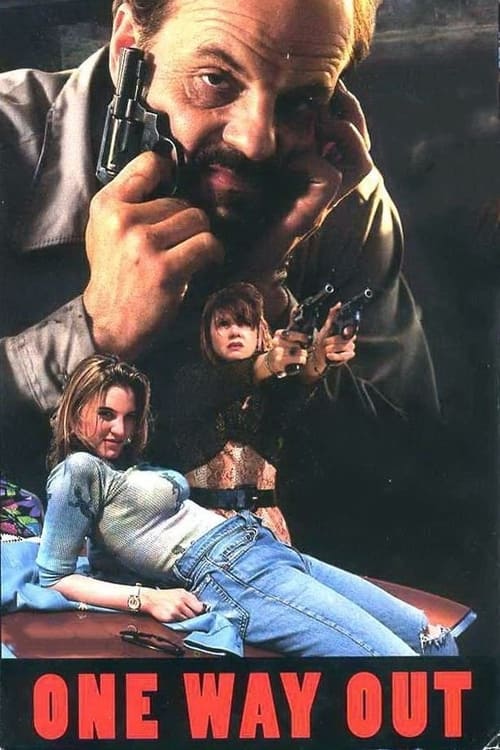
1996
Director
Kevin Lynn
Runtime
106 minutes
Average Rating
No ratings yetNew Showbiz Analysis
One Way Out stands out primarily for its progressive casting in a genre often dominated by white leads. By placing an Asian-American protagonist at the center of a gritty action thriller, the film challenges the standard casting norms of the 1990s. However, the film remains tethered to traditional genre conventions. It relies heavily on masculine clichés of pursuit and confrontation, leaving female characters in secondary positions. This adherence to established gender hierarchies limits the film's broader social scope. Ultimately, the work functions as a mid-tier example of diversity. It uses a 'man against the system' framework to offer a subtle critique of institutional reliability, even while lacking representation for LGBTQ+ or disabled communities.
Category Breakdown
The film lacks visible LGBTQ+ characters or narratives, sticking strictly to traditional heterosexual relationships and ignoring non-straight identities.
The story centers on male-driven action and control, relying on masculine clichés of physical confrontation. Female characters have secondary, supportive roles that reinforce conventional gender hierarchies.
The film provides meaningful representation by centering an Asian-American protagonist in an urban action thriller. This casting choice disrupts the era's typical demographic expectations for the genre.
The narrative critiques Western institutions by framing legal and law enforcement systems as corrupt. The plot explores instability through themes of foreclosure and institutional failure.
There is no evidence of characters with visible or invisible disabilities. The narrative does not feature neurodivergence or physical impairment as central themes.
Present on Screen
Limited or Absent
Official Synopsis
After a man gets out of prison, he decides to go straight and leave his life of crime behind him. However, when he gets home he finds that his brother is in danger and the family farm is in foreclosure. He plans to take revenge on those responsible, but finds that he may have taken on more than he can handle.
1987
1992

2009

2003
1971
2012
1997
2019
No reviews yet. Be the first to share your thoughts on this movie!
Use the rating form above to leave a star rating and optional review.