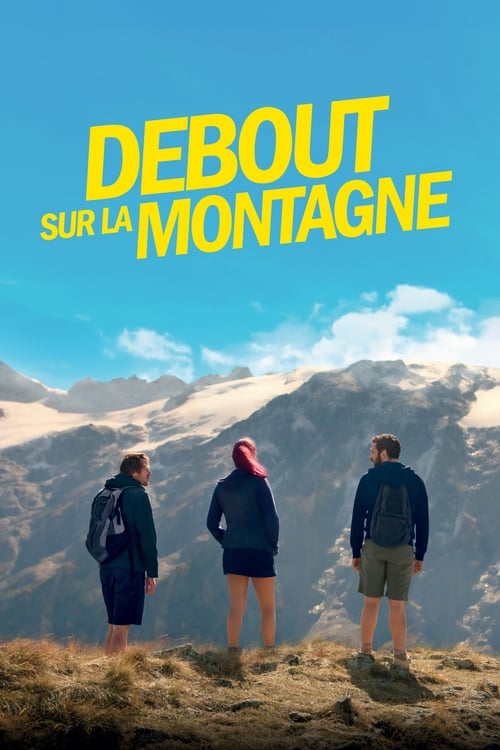
Up the Mountain
2019
No user ratings available yet
Representation score: 4.9 out of 10
Representation Score
Good
2015
TV-14Director
Rémi Bezançon
Runtime
97 minutes
Average Rating
No ratings yetNew Showbiz Analysis
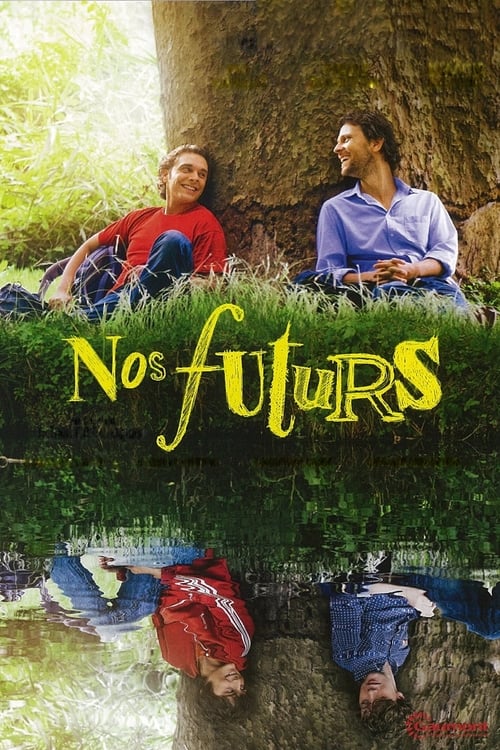
Our Futures functions as a character-driven dramedy that uses a high school reunion to examine how people evolve after adolescence. The film succeeds in exploring the emotional complexities of bereavement and the preservation of identity through its central friendship. However, the narrative's focus on the male bond between Yann and Thomas leaves other identity markers feeling secondary. While the plot allows for diverse life paths to be revealed, the specific representation of race and LGBTQ+ identities remains largely unconfirmed. Ultimately, the film excels at portraying the fluidity of human connection but lacks explicit, verifiable depth in its characters who reflect more than one aspect of diversity.
Category Breakdown
The film touches on non-traditional life paths through the revelations of old friends, suggesting a space for diverse lifestyles without explicitly detailing specific queer pairings.
The story centers on a male friendship between Yann and Thomas, while the reunion of former classmates offers opportunities to explore varied life trajectories for female characters.
There is no explicit mention of a multi-ethnic cast or specific racial dynamics. The contemporary French setting likely reflects modern urban demographics, though the depth of racial representation is unverified.
The film prioritizes emotional truth and interpersonal connection over rigid social structures, focusing on individual coping mechanisms and the chaotic nature of personal development.
Yann’s struggle with bereavement provides a window into the psychological impact of loss. It is unclear if these mental health challenges are handled with significant influence over the narrative.
Present on Screen
Limited or Absent
Official Synopsis
Yann who is trying, albeit unsuccessfully, to cope with his life generally and especially bereavement decides to look up Thomas, his best friend from high school. Thomas is thee same crazy character as he ever was and between them they cook up a plan to rearrange Yann's birthday party from their high school days and get all their old friends to come along. This means locating their friends and a journey to visit and convince some of them to join in their plan. How their friends have changed, their lives and the revelations provide plenty of humour. But why is his friend Thomas just the same as he ever was ?
2019
1995
2025
1988
2015
2012
2011

2014
No reviews yet. Be the first to share your thoughts on this movie!
Use the rating form above to leave a star rating and optional review.