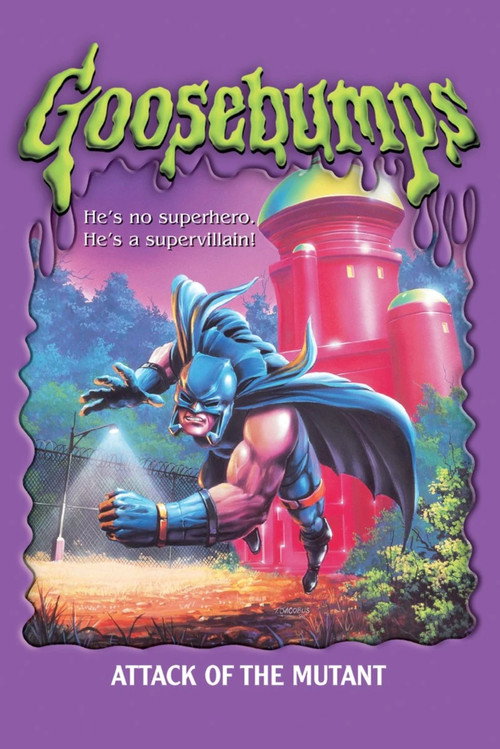
Goosebumps: Attack of the Mutant
1996
No user ratings available yet
Representation score: 1.8 out of 10
Representation Score
Limited
1996
Not RatedDirector
William Fruet
Runtime
44 minutes
Average Rating
No ratings yetNew Showbiz Analysis
This production adheres to conventional genre standards that reflect the social and demographic norms of the 1990s. The narrative structure relies on traditional formulas, emphasizing a homogeneous, middle-class suburban demographic. While the storyline revolves around a domestic mystery, it does not aim to challenge established social hierarchies. The creative direction sticks to traditional structures rather than seeking to disrupt them through diverse casting or identity-based storytelling. Overall, the film presents a narrow perspective of family life that lacks inclusive representation.
Category Breakdown
The film follows traditional structures that assume everyone is straight or cisgender. There is no indication of non-traditional gender identities or same-sex relationships among the characters.
The narrative depends on traditional gender roles that support conventional family structures. Female characters have limited influence and rarely take intellectual control over their male counterparts.
The film features a predominantly white cast with minimal diversity. The setting emphasizes a traditional Western suburban lifestyle without multicultural representation.
The film focuses on a traditional nuclear family structure. It does not critique broader societal issues, concentrating instead on local suburban conflicts and simple moral contrasts.
Characters are shown as fully capable individuals. There is no depiction of neurodivergence, physical disabilities, or chronic illnesses.
Present on Screen
Limited or Absent
Official Synopsis
When her mother leaves town to visit a sick relative, Margaret's concern for her father grows. She does not know what he is working on in the basement and cannot figure out why his behavior has changed.
1996
1999
1996
2009
1996
2005
2005
2005
No reviews yet. Be the first to share your thoughts on this movie!
Use the rating form above to leave a star rating and optional review.