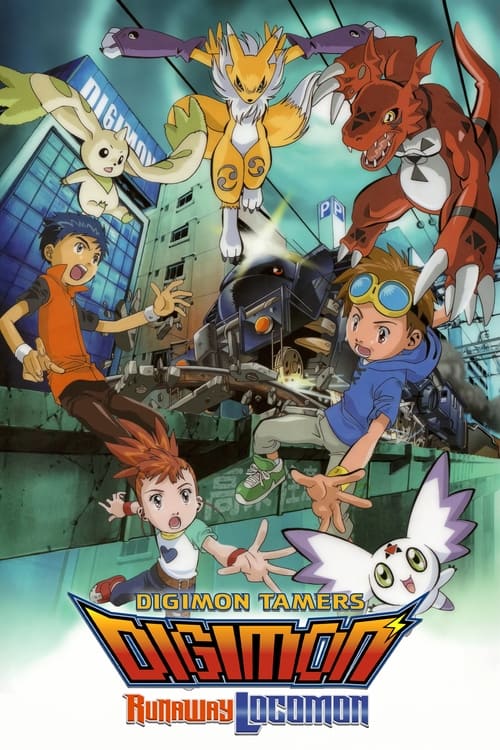
Digimon Tamers: Runaway Locomon
2002
No user ratings available yet
Diversity score: 2.4 out of 10
1998
TV-GRuntime
50 minutes
Average Rating
No ratings yetSynopsis
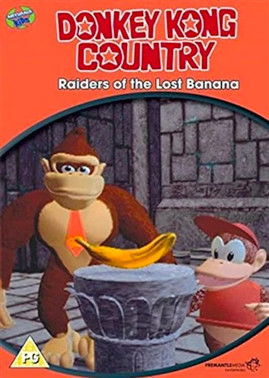
King K. Rool tasks Polly Roger with stealing the Crystal Coconut. Polly leads Donkey Kong and Diddy into the Ancient Temple Ruins where Donkey Kong angers a sleeping idol.
Overall Score
Limited
Category Breakdown
LGBTQ+ Representation
The film contains no evidence of LGBTQ+ characters or non-cisnormative identities. There are no depictions of queer relationships or narratives addressing heteronormativity.
Gender Representation
The story centers on a male-coded protagonist group and a male antagonist. While Polly Roger provides a female presence with agency, the narrative lacks nuanced gender dynamics.
Racial & Ethnic Diversity
Using anthropomorphic animals allows for a color-blind approach to identity. However, there is little evidence of varied ethnic subtexts within the temple setting.
Religious & Cultural Diversity
The ancient temple setting appears to function as a backdrop for a standard adventure trope. The plot follows a conventional hero-journey framework without systemic critique.
Disability Representation
There is no information regarding characters with visible or invisible disabilities. The narrative does not address neurodivergence or mental health conditions.
Strengths
Areas for Improvement
AI Analysis
Donkey Kong Raiders of the Lost Banana follows a traditional adventure archetype centered on a quest for a MacGuffin. The plot relies on established character dynamics between a central antagonist and a protagonist group, adhering to standard genre structures. The film lacks intersectional representation, focusing instead on a hero-journey framework. While Polly Roger offers a moment of female agency, the broader narrative remains rooted in conventional tropes. Ultimately, the production functions as a straightforward animated adventure. It does not attempt to subvert social hierarchies or provide deep cultural deconstruction, resulting in a narrow scope of representation.
2002

2012

2012

2003

2011
1998
1999
2004
1939
1958

2018
2006
No reviews yet. Be the first to share your thoughts on this movie!
Use the rating form above to leave a star rating and optional review.