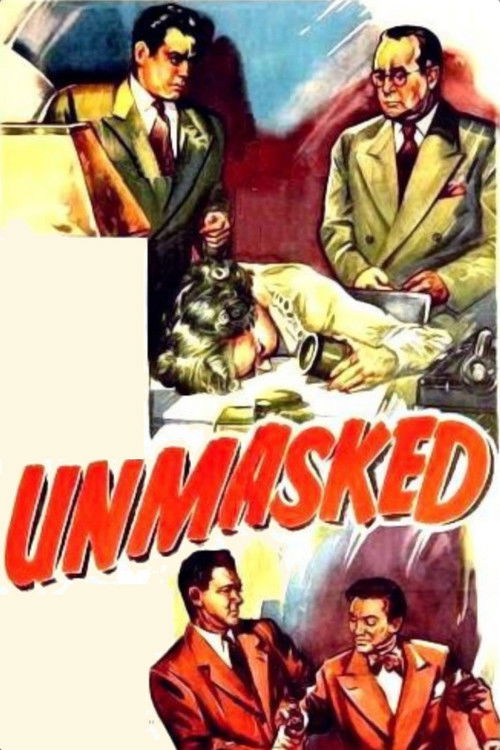
Unmasked
1950
No user ratings available yet
Representation score: 1.1 out of 10
Representation Score
Minimal
1953
NRDirector
William Beaudine
Runtime
65 minutes
Average Rating
No ratings yetNew Showbiz Analysis
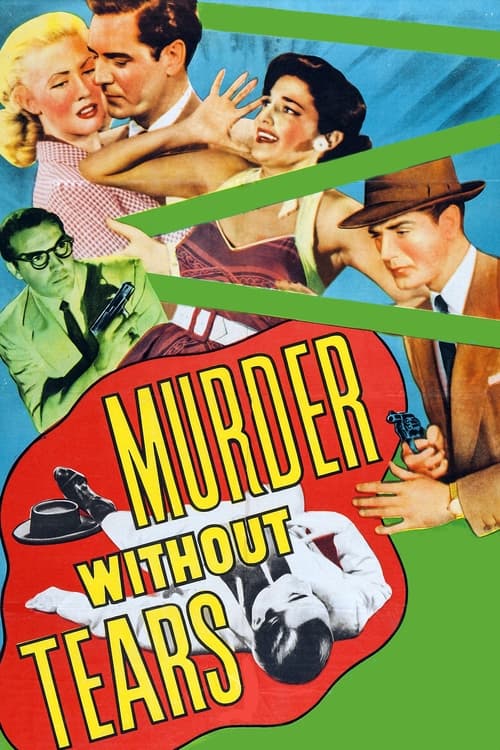
Murder Without Tears is a standard 1953 crime thriller that reflects the systemic constraints of its era. The narrative is driven by a male protagonist's criminal machinations, leaving little room for diverse perspectives or multi-layered complexity. The film follows the conventional studio system models of the Golden Age. It prioritizes genre clichés and legal loopholes over any meaningful subversion of social hierarchies or demographic expectations. Ultimately, the work functions as a period-typical noir. It lacks intentional efforts to disrupt the social norms or the homogeneous casting standards prevalent in mid-century American cinema.
Category Breakdown
The film does not include any LGBTQ+ characters or narratives. It adheres to the strict censorship standards of 1953, which typically excluded non-assuming gender matches what was assigned at birth identities from crime cinema.
Female characters appear primarily as victims or objects of male control. The plot centers on a man's attempt to murder his wife, reinforcing patriarchal control.
The production reflects the homogeneous casting norms of the early 1950s. There is no evidence of diverse casting or non-Anglo-Saxon perspectives.
The story operates within traditional Western legal and moral frameworks. It focuses on institutional mechanics rather than challenging the status quo or Western institutions.
There is no documented evidence of characters with visible or invisible disabilities in the plot or cast.
Present on Screen
Limited or Absent
Official Synopsis
A man hires someone to murder his wife and use a legal loophole to get away with it.
1950
1958
1950

1956
1957

1958

1945
1950
No reviews yet. Be the first to share your thoughts on this movie!
Use the rating form above to leave a star rating and optional review.