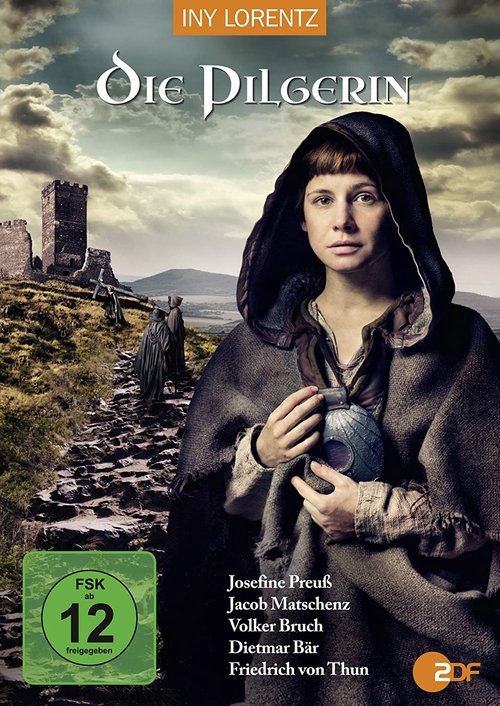
Die Pilgerin
2014
No user ratings available yet
Representation score: 2.2 out of 10
Representation Score
Limited
1963
Director
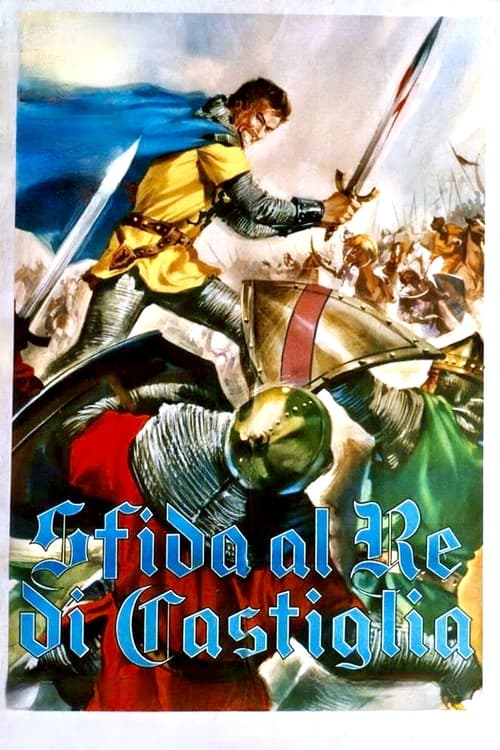
Ferdinando Baldi
Runtime
100 minutes
Average Rating
No ratings yetNew Showbiz Analysis
The Tyrant of Castile opens on the idealized, chiseled face of Mark Damon, whose physical presence immediately sells the film’s central argument: that legitimate authority is a matter of bodily strength and dynastic right. As a 1963 Italian storicale, the film leans heavily on the genre’s convention of using costume and architecture to mask the thinness of its political logic. The camera consistently favors Damon’s heroic framing, treating his ruthlessness not as a moral failing but as the necessary machinery of statecraft. The sold meaning is clear: in a world of court intrigue, pragmatism and force are the only reliable currencies. Women like Anna Coronel are positioned as the moral counterweight to this brutality, yet their presence serves only to highlight the emotional cost of male ambition without offering any substantive challenge to the patriarchal order. The film’s internal logic rewards the protagonist who navigates betrayal and violence successfully, suggesting that political survival is a higher virtue than ethical purity. The ending settles this verdict by consolidating power in the hands of the surviving protagonist, who pays no significant price for his methods. The camera loves the uniform of the crown, treating the medieval hierarchy as a natural, unmarked ideal. There is no subversion of the traditional order; instead, the film affirms that strength and decisiveness are the ultimate measures of a ruler’s worth.
Category Breakdown
The narrative remains strictly heteronormative, depicting no same-sex intimacy or non-binary characters. Romantic alliances function exclusively as political tools between men and women within the medieval court.
Women like Anna Coronel serve as moral counterweights or prizes in male power struggles. The camera frames female beauty as emotional stakes while men enact the political violence and decision-making.
The cast is entirely European, reflecting the 1963 Italian storicale convention where whiteness is the unmarked default. No non-white characters appear, and the narrative ignores colonial or ethnic diversity within the medieval setting.
The film treats monarchical hierarchy and aristocratic birth as the natural order. Church and state are presented as stable, neutral institutions supporting the protagonist’s consolidation of power rather than as obstacles.
The narrative focuses on physical strength and aristocratic vitality, with no disabled characters or impairment depicted. The body is treated solely as a tool for political dominance and romantic desire.
Present on Screen
Limited or Absent
2014
1961

1954
1959
2017
1974
2012

1949
No reviews yet. Be the first to share your thoughts on this movie!
Use the rating form above to leave a star rating and optional review.