
Sign of the Pagan
1954
No user ratings available yet
Representation score: 6.3 out of 10
Representation Score
Limited
1959
NRDirector
Edgar G. Ulmer, Carlo Ludovico Bragaglia
Runtime
90 minutes
Average Rating
No ratings yetNew Showbiz Analysis
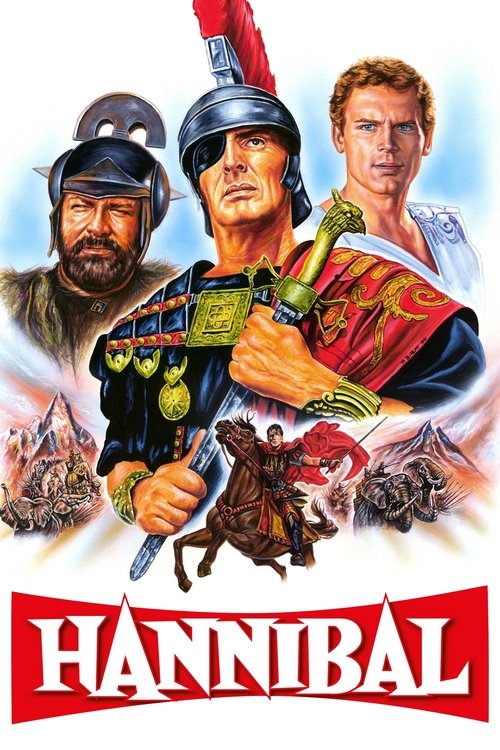
Hannibal (1959) is a traditional historical epic that centers on the Carthaginian perspective. While this shifts the focus away from a purely Roman-centric narrative, the film remains bound by the conservative storytelling archetypes of its era. The production adheres to mid-century cinematic hierarchies, particularly regarding gender and identity. Male military leadership dominates the screen, while social roles remain largely conventional and non-subversive. Ultimately, the film prioritizes the spectacle of ancient warfare and conquest over nuanced social representation. It functions as a standard adventure piece rather than a tool for exploring diverse human experiences.
Category Breakdown
The film doesn't include any non-straight relationships or same-sex intimacy. It follows traditional romantic and military storylines typical of mid-century historical dramas.
Men primarily take leading roles, especially in military positions. Women likely play supporting or symbolic roles rather than driving the geopolitical storyline.
The conflict between Carthage and Rome offers a shift from Western-centric heroes. However, the era's conventions often used stylized representations of 'othered' ancient cultures.
The story focuses on classic themes like glory, conquest, and destiny. It operates as a traditional adventure without critiquing modern institutions.
There are no characters with disabilities given significant roles. Physical impairments in this era often symbolized defeat or moral failing.
Present on Screen
Limited or Absent
Official Synopsis
A Carthaginian general attempts to cross the Alps with an army of elephants in order to conquer Rome.
1954
1972
2018

1944

2023
1960

1985
2010
No reviews yet. Be the first to share your thoughts on this movie!
Use the rating form above to leave a star rating and optional review.