
Pursuit
2022
No user ratings available yet
Representation score: 1.4 out of 10
Representation Score
Fair
2025
TV-MADirector
Gareth Evans
Runtime
107 minutes
Average Rating
No ratings yetNew Showbiz Analysis
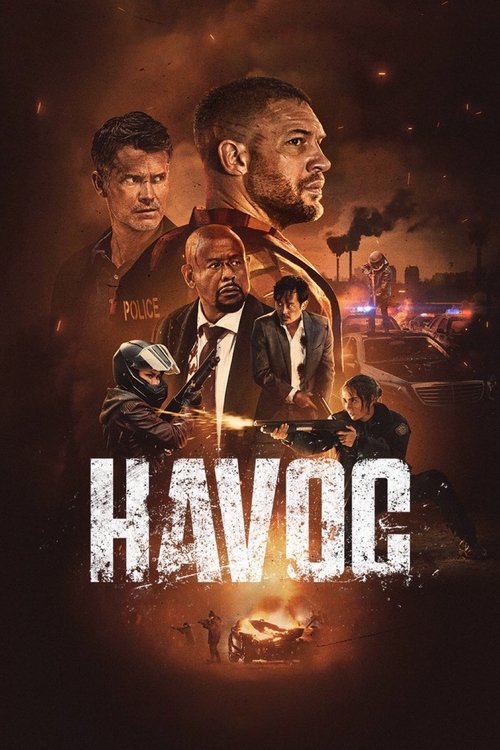
Havoc presents a bleak view of institutional decay, contrasting with typical action-thriller narratives. It critiques the compromised nature of authority figures in law enforcement and politics, shifting the focus to systemic issues rather than individual heroes. While the film offers a nuanced look at societal structures, it maintains traditional gender and sexual norms without substantial challenge. The urban setting is populated with a diverse cast, reflecting modern demographics. However, power dynamics still center around white characters, limiting the scope of underrepresented individuals to supporting or antagonistic roles. The female lead's role is defined by her relationships with male figures, and disability is only used as a plot device without deeper exploration.
Category Breakdown
The film centers on a traditional heterosexual relationship, excluding any representation of LGBTQ+ identities. While this doesn't overtly discriminate, it misses the opportunity to challenge conventional storytelling around sexual orientation.
The plot is driven by male characters, with the female lead's role being defined by her relationships and dependence on male figures. Her capabilities are overshadowed by the actions and conflicts led by men.
The film features a diverse cast representing various ethnicities, reflecting a realistic urban population. However, narrative authority and systemic power tend to favor white characters, relegating underrepresented individuals to supporting or antagonistic roles.
Authority figures are portrayed as deeply flawed, questioning the integrity of institutions like law enforcement and politics. This portrayal shifts the focus from individual villains to systemic corruption as the main antagonist.
Disability is addressed only as a temporary plot device, with no exploration of chronic conditions or neurodiversity. The film fails to examine multi-layered experiences related to disability within its thriller context.
Present on Screen
Limited or Absent
Official Synopsis
When a drug heist swerves lethally out of control, a jaded cop fights his way through a corrupt city's criminal underworld to save a politician's son.
2022

2019

2014
2016

2022

2017

2022

2025
No reviews yet. Be the first to share your thoughts on this movie!
Use the rating form above to leave a star rating and optional review.