Harley's Hill
2011
No user ratings available yet
Representation score: 1.4 out of 10
Representation Score
Fair
1999
GDirector
Sergei Bodrov
Runtime
81 minutes
Average Rating
No ratings yetNew Showbiz Analysis
Running Free is a conventional family drama centered on the relationship between a boy and his horse. The film follows typical genre conventions, focusing on personal triumph and the theme of autonomy through the horse's journey from captivity to freedom. The narrative lacks complexity in representing diverse identities, including race, gender, and LGBTQ+ perspectives. Additionally, it does not address characters with disabilities. The story adheres to traditional values without engaging broader systemic critiques.
Category Breakdown
The story revolves around the bond between a stableboy and a horse, with no visible LGBTQ+ characters or non-straight relationships.
The film follows a traditional coming-of-age storyline, lacking any subversion of gender roles typically found in family cinema.
The setting and cast composition are unspecified, and there are no indications of a diverse or color-blind approach to casting.
The story uses an allegory of freedom and autonomy, emphasizing traditional values of perseverance without addressing systemic critiques.
There are no characters depicted as navigating physical, neurodivergent, or mental health conditions.
Present on Screen
Limited or Absent
Official Synopsis
The tale of the extraordinary life and times of Lucky, a horse that was born in captivity but achieves his dream of running free with the help of a stableboy.
2011
1945
1953
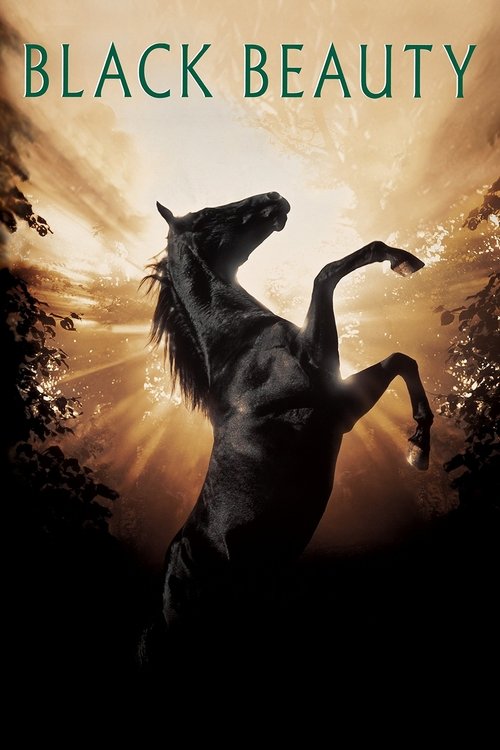
1994
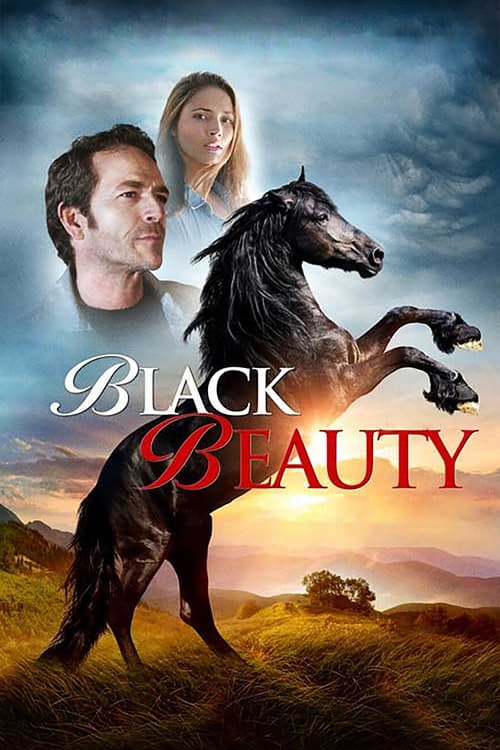
2015
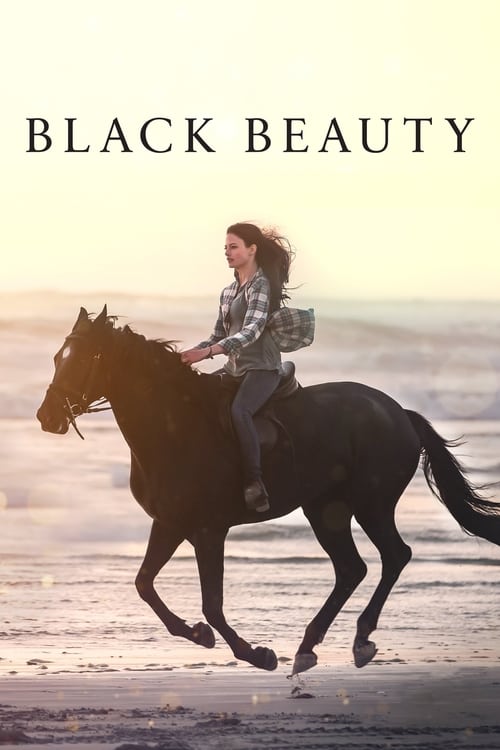
2020
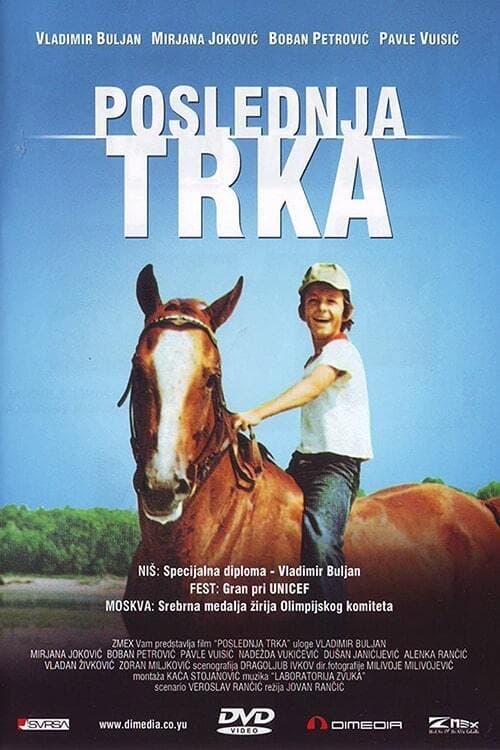
1979
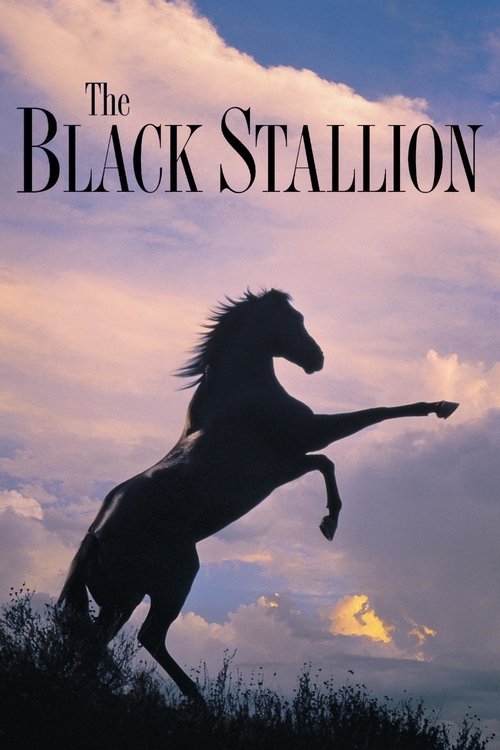
1979
No reviews yet. Be the first to share your thoughts on this movie!
Use the rating form above to leave a star rating and optional review.