
Rom
2020
No user ratings available yet
Diversity score: 7.0 out of 10
2003
Director
Juan Carlos Desanzo
Runtime
92 minutes
Average Rating
No ratings yetSynopsis
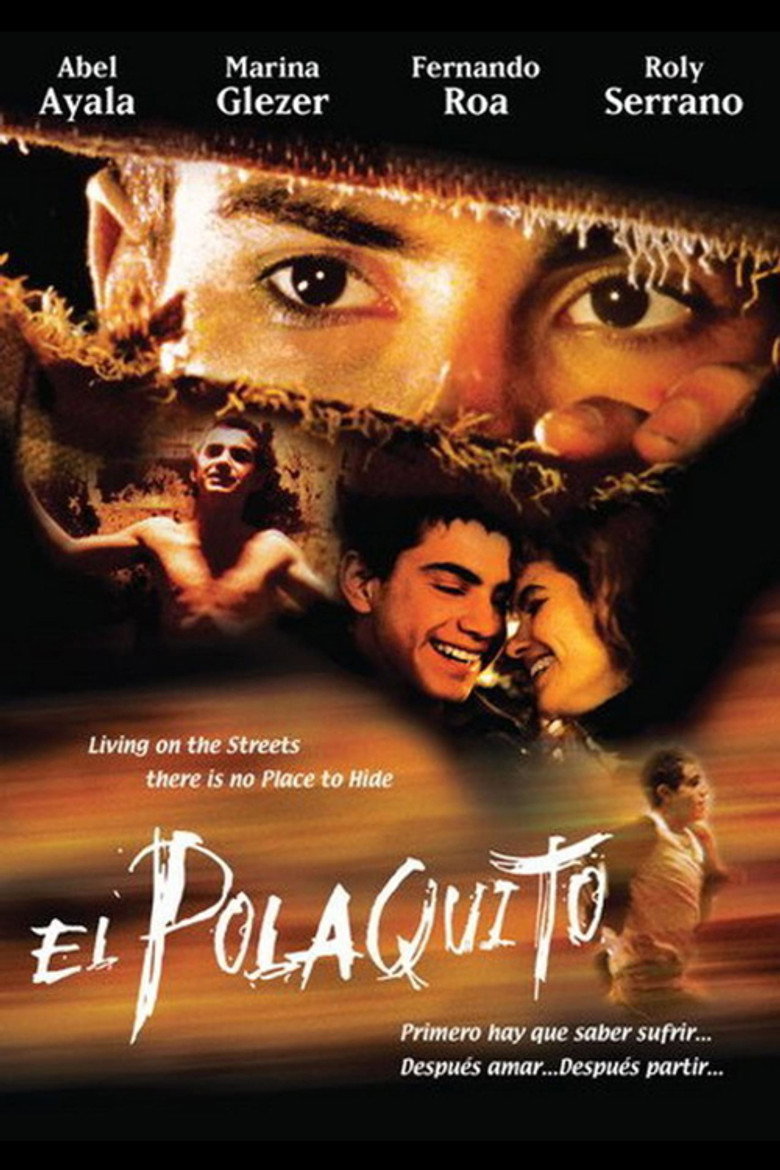
At age 13, a street kid known as "El Polaquito" makes his living mostly by singing tangos (originally sung by his namesake, the singer "El Polaco") on Buenos Aires commuter trains. He falls in love with a 16 year old prostitute, also working for the Mafia controlling child exploitation in one of Argentina's busiest train stations. He tries to rescue her from this cruel life with no future. But to do so, he must confront the ruthless adult gang leaders, as well as the young kids who protect them, believing that this Mafia is truly their only option. The story is supposedly based on a true story, which happened, and was discovered in Argentina in the late 90s, early 2000s. Written by Guy33134
Overall Score
Fair
Category Breakdown
LGBTQ+ Representation
The film centers on a romantic bond between two marginalized youths. However, there is no explicit confirmation of non-heteronormative identities or queer-coded subtext within the narrative.
Gender Representation
The story disrupts traditional hierarchies by centering a female character navigating the perils of sex work. The male protagonist's drive for emotional rescue challenges standard tropes of masculine conquest.
Racial & Ethnic Diversity
Set in Buenos Aires, the film utilizes a diverse, non-Anglo-Saxon cast. It explores class and ethnic intersections through the lens of disenfranchised populations in urban transit hubs.
Religious & Cultural Diversity
The narrative critiques the failure of state institutions and the corruption of organized crime. It portrays a world where systemic exploitation replaces traditional law and social stability.
Disability Representation
There is no explicit evidence of neurodivergent or physically disabled characters. The narrative focuses instead on the psychological trauma resulting from child exploitation.
Strengths
Areas for Improvement
AI Analysis
El Polaquito is a work of social realism that deconstructs the myth of a protected childhood. It replaces idealized social structures with a gritty landscape where authority is often predatory or absent. The film finds its strength in centering the agency of street-level inhabitants. By focusing on the systemic exploitation of minors, it prioritizes the lived experiences of the marginalized over mainstream, high-status narratives. While the film excels at social critique, it lacks visible representation for specific identity groups like the LGBTQ+ community or characters with physical disabilities.
2020

1992
2016

2014

2019
1997
No reviews yet. Be the first to share your thoughts on this movie!
Use the rating form above to leave a star rating and optional review.