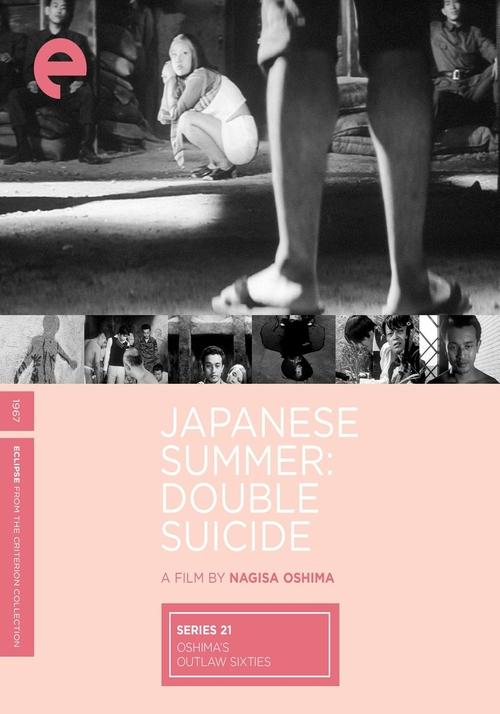
Japanese Summer: Double Suicide
1967
No user ratings available yet
Representation score: 6.8 out of 10

Representation Score
Fair
2006
Director
Yukinari Hanawa
Runtime
114 minutes
Average Rating
No ratings yetNew Showbiz Analysis
First Love is a gritty period drama that finds its strength in its thematic rebellion against 1960s social norms. By focusing on a female protagonist in a nihilistic subculture, it avoids typical domestic clichés. The film's exploration of moral relativism and the deconstruction of traditional family units provides a sophisticated cultural critique. However, the film's diversity is limited by its lack of explicit identity-driven narratives. While it explores subcultural lifestyles, it offers little evidence of LGBTQ+ or racial diversity beyond Western musical influence. The narrative remains centered on a specific, homogeneous social milieu.
Category Breakdown
The film explores a subculture centered around sex and hedonism within a jazz cafe. However, it doesn't clearly depict queer identities or non-straight relationships.
Misuzu is a central female protagonist who navigates a male-dominated, nihilistic environment. Her journey highlights her role in driving the story rather than traditional domestic roles.
Set in 1960s Japan, the film likely features a culturally homogeneous cast. It incorporates Western jazz influences to blend cultures within the period setting.
The story critiques traditional family structures and social stability through themes of nihilism. It promotes a rebellious, anti-social lifestyle that rejects conventional morality.
There is no mention of visible or invisible disabilities in the narrative. No representation of disability is present in the provided details.
Present on Screen
Limited or Absent
Official Synopsis
In the chaotic days of the 1960s, Misuzu, a lonely high school girl from a troubled family, finds sanctuary with her nihilistic brother, Ryo, and his friends. They pass their days hanging around a shadowy jazz cafe bar, indulging themselves in a life of sex, drugs and alcohol.
1967

2012

1969
1969
1970

2015

2005
1987
No reviews yet. Be the first to share your thoughts on this movie!
Use the rating form above to leave a star rating and optional review.