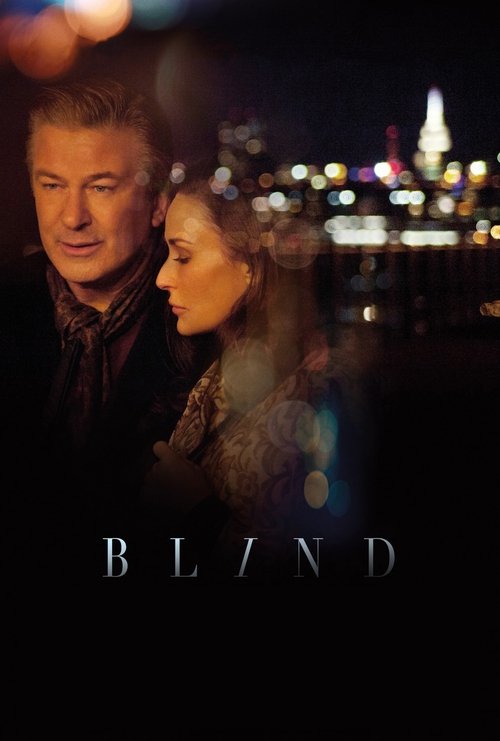
Blind
2017
No user ratings available yet
Representation score: 3.3 out of 10

Representation Score
Limited
1999
PG-13Director
Irwin Winkler
Runtime
128 minutes
Average Rating
No ratings yetNew Showbiz Analysis
At First Sight is a character-driven drama that emphasizes personal emotional journeys over broader social or identity-based narratives. It excels in its nuanced portrayal of disability, delving into the psychological complexities of sensory adaptation. However, it falls short in terms of social breadth. The narrative structure aligns with traditional 1990s cinema conventions. It lacks the multi-layered complexity, diverse casting, and systemic critique needed to broaden its perspective.
Category Breakdown
The film adheres to a traditional structure that assumes everyone is straight or cisgender. It does not include any depictions of queer relationships or non-cisgender identities.
The female lead has significant influence over the story, but the narrative centers around a male-driven journey. While it avoids extreme gender clichés, it does not challenge traditional gender hierarchies.
The cast is predominantly white, lacking in multi-layered diversity. There is no indication of diverse casting that challenges Anglo-centric norms.
The narrative follows a standard Western framework. It does not provide critiques of religion, capitalism, or Western institutions.
The film explores the psychological complexities of visual impairment in a meaningful way. It focuses on the mental challenges of adapting to sensory changes rather than just inspiring the audience.
Present on Screen
Limited or Absent
Official Synopsis
A blind man has an operation to regain his sight at the urging of his girlfriend and must deal with the changes to his life.
2017
1986

2005
1962
2017
1991

2001
2000
No reviews yet. Be the first to share your thoughts on this movie!
Use the rating form above to leave a star rating and optional review.