Swingtime in the Movies
1938
No user ratings available yet
Diversity score: 1.4 out of 10
1938
NRDirector
John G. Blystone
Runtime
73 minutes
Average Rating
No ratings yetSynopsis
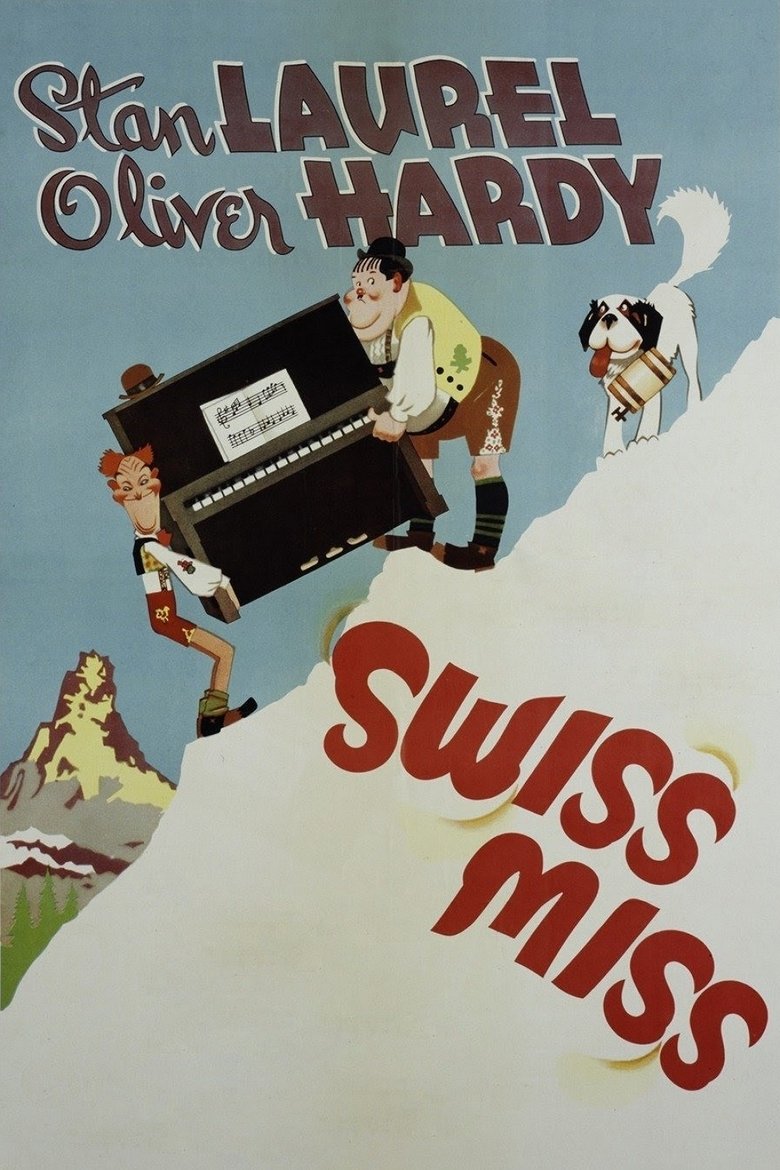
Stan and Ollie are mousetrap salesmen hoping for better business in Switzerland, with Stan's theory that because there is more cheese in Switzerland, there should be more mice.
Overall Score
Limited
Category Breakdown
LGBTQ+ Representation
The film adheres to the heteronormative romantic comedy structures of the late 1930s. There is no evidence of non-cisnormative gender identities or same-sex intimacy.
Gender Representation
The narrative operates within conventional gender hierarchies. While female characters may possess charm, the film reinforces standard romantic tropes rather than subverting traditional roles.
Racial & Ethnic Diversity
The production features a largely homogeneous cast typical of 1930s Hollywood. Switzerland serves as an escapist backdrop rather than a site for exploring intersectional identities.
Religious & Cultural Diversity
This is a traditional Western escapist comedy. It utilizes a romanticized view of European locales without engaging in critiques of Western institutions or social structures.
Disability Representation
No characters with disabilities are noted in the plot. There is no evidence of disability being used as a narrative driver or an object of mockery.
Strengths
Areas for Improvement
AI Analysis
Swiss Miss is a quintessential product of the 1930s studio system, prioritizing musical comedy and escapism over social commentary. The film relies on established genre tropes to drive its narrative, focusing on romantic misunderstandings and lighthearted entertainment. The production lacks intentionality regarding identity or the disruption of social norms. It functions primarily to reinforce the cultural and social frameworks of its era through a homogeneous lens. Ultimately, the film serves as a period-specific entertainment piece that avoids exploring complex human identities or challenging existing hierarchies.
1938
1943
1940
1936
1934
1956
1941
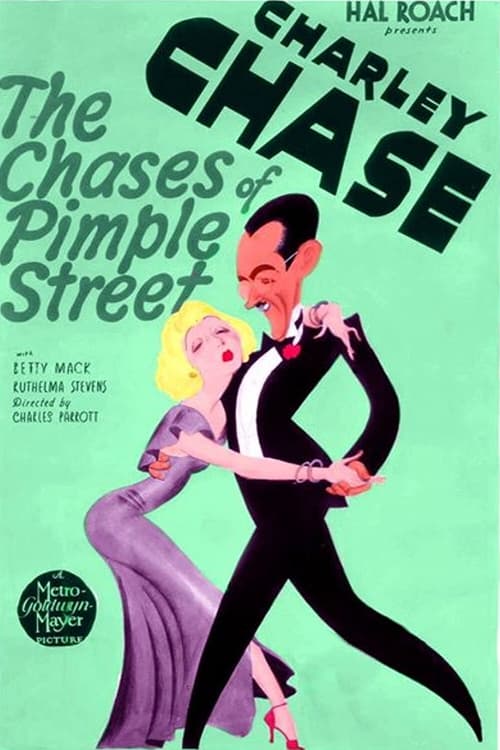
1934
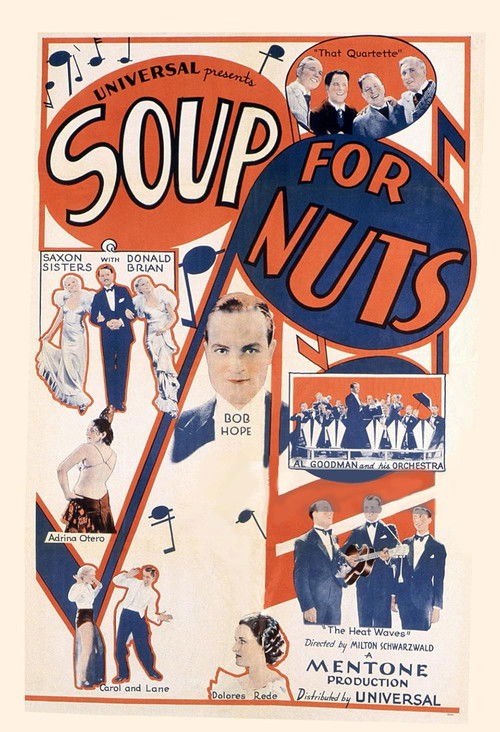
1934
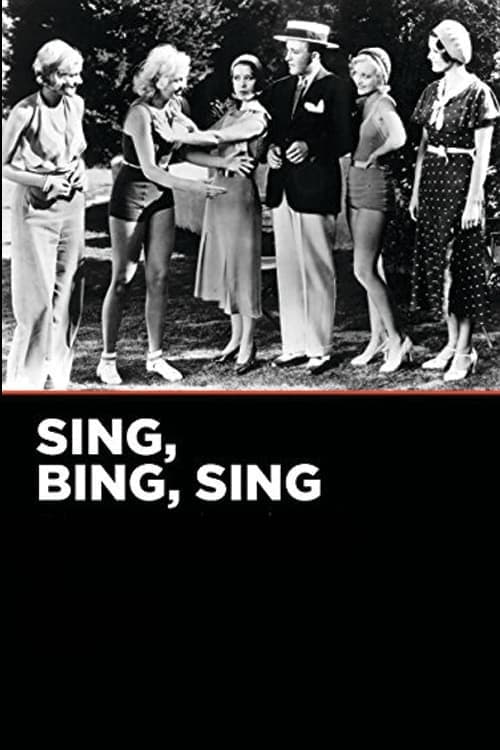
1933
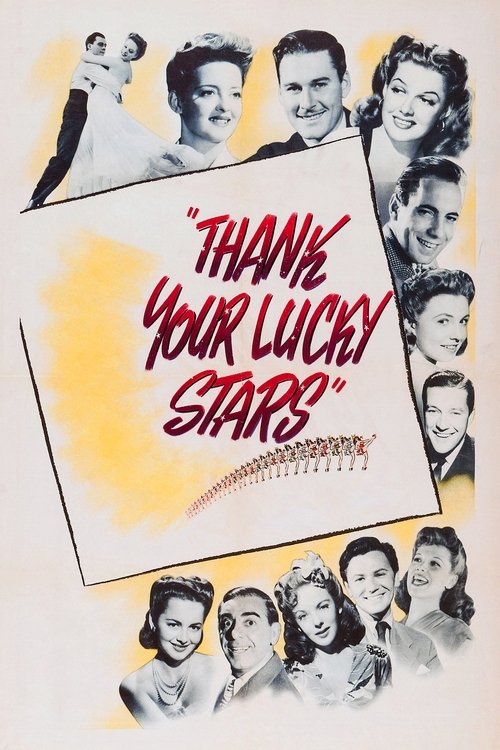
1943
1943
No reviews yet. Be the first to share your thoughts on this movie!
Use the rating form above to leave a star rating and optional review.