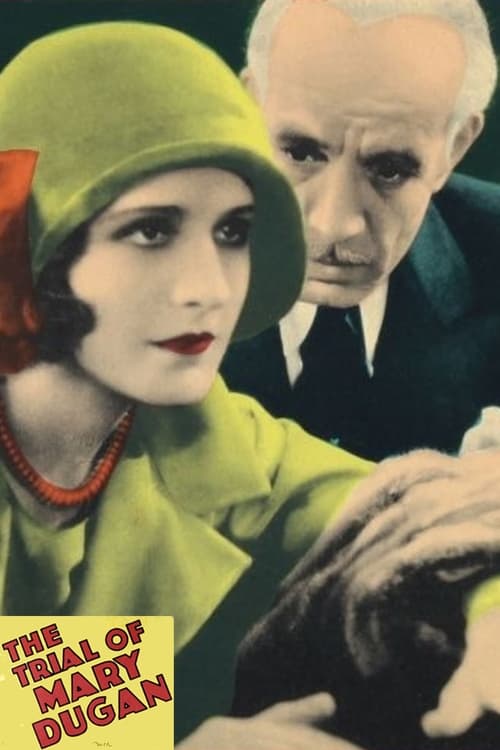
The Trial of Mary Dugan
1929
No user ratings available yet
Representation score: 1.9 out of 10

Representation Score
Minimal
1928
PassedDirector
Christy Cabanne
Runtime
65 minutes
Average Rating
No ratings yetNew Showbiz Analysis
Restless Youth operates as a typical 1920s melodrama, emphasizing traditional social hierarchies over diverse perspectives. While Dixie avoids being a purely submissive character, her struggles are defined by her conflict with established moral codes. The film's narrow focus on a homogeneous Western social structure leads to a lack of racial and LGBTQ+ representation. The narrative is built around the enforcement of institutional authority and conventional gender roles. Ultimately, the film reflects the era's preoccupation with maintaining social order and traditional morality through its central legal and romantic conflicts.
Category Breakdown
The film focuses on a traditional heterosexual relationship between Dixie and Bruce. It does not include any depictions of non-straight identities or challenge the idea that everyone is assumed to be straight.
Dixie navigates legal systems and defends herself, showing strength, but she is constantly penalized for not conforming to 'ladylike' expectations. The plot is driven by male authority figures who enforce moral standards.
The narrative seems to focus on a homogeneous, Western social structure with no indication of a diverse cast or non-Anglo-Saxon characters.
The story emphasizes traditional Western institutions and Victorian-era morality. It focuses on legal and moral judgments without challenging established social structures.
The film provides no evidence regarding the portrayal of physical or neurodivergent disabilities.
Present on Screen
Limited or Absent
Official Synopsis
Innocent co-ed Dixie is unjustly expelled for unladylike activities by college chairman John Neil, (who also happens to be the local District Attorney). Dixie uses an employment agency to unknowingly land a job with Neil's attorney son, Bruce. A romance develops between the two until they go to meet the old man, who promptly forces Dixie to break up with Bruce because of her 'sordid' past. Bruce will have none of it, so to get him to drop her she attempts to get 'caught' in an innocent date with her employment agency contact, Haines. Unfortunately, Haines has different ideas about their encounter and will not take "no" for an answer so Dixie is forced to clock him with an urn, killing him. Dixie's trial for murder leads to a courtroom confrontation between father and son, with her fate resting in the balance.
1929

1933
1931
1932
1932
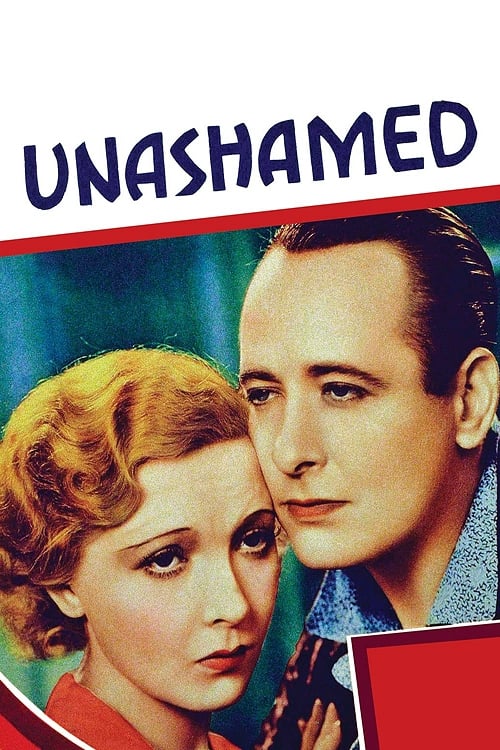
1932
1929
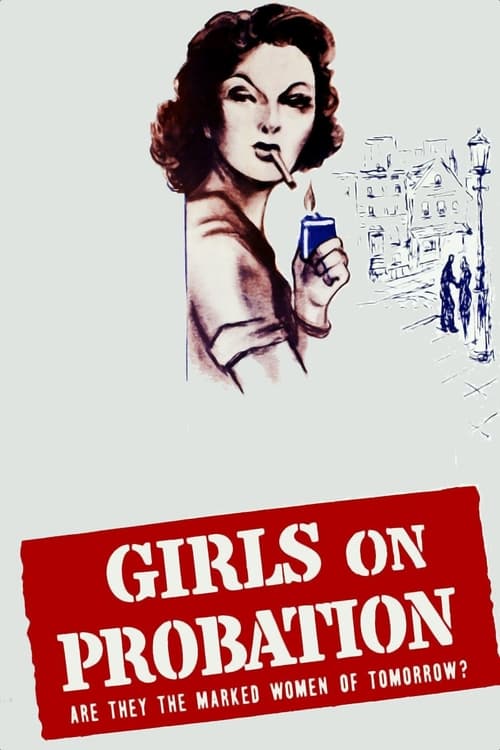
1938
No reviews yet. Be the first to share your thoughts on this movie!
Use the rating form above to leave a star rating and optional review.