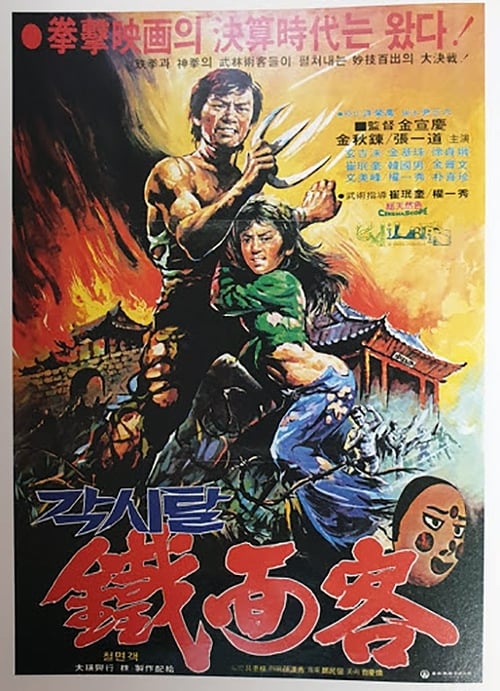
Blood of the Dragon Peril
1980
No user ratings available yet
Representation score: 6.9 out of 10

Representation Score
Good
1978
Director
Nam Ki-nam
Runtime
95 minutes
Average Rating
No ratings yetNew Showbiz Analysis
Return of the Red Tiger stands apart from typical 1970s action clichés by focusing on a non-verbal protagonist who is underrepresented by society. The film shifts away from the idealized hero, emphasizing the psychological impact of systemic trauma and social isolation. While the film does not extensively explore multi-layered themes, it successfully disrupts traditional archetypes. The protagonist’s status as a social outcast and his survivalist instincts offer a nuanced layer of representation for the era. Overall, the film provides a sophisticated examination of how trauma shapes identity, even while adhering to the genre conventions of its time.
Category Breakdown
The film touches on non-traditional domestic tension through the protagonist's backstory involving his mother and an abusive male figure. However, it focuses on the resulting trauma rather than exploring queer identity or the role of LGBTQ individuals.
The narrative subverts the stoic hero archetype by centering a character who expresses ability to act through non-verbal, instinctual means. The female lead acts as a plot catalyst within a complex web of influence.
As a South Korean production, the film offers a non-Western perspective on the action genre. It provides a necessary counter-narrative to the dominant Hollywood framework of the 1970s.
The film critiques rigid social expectations by centering a social pariah who rejects standard human communication. It uses moral relativism and the portrayal of outcasts to challenge traditional social structures.
The protagonist's mutism is a central component of his identity rather than a mere plot device. He navigates the world through non-verbal communication, granting him a unique form of ability to act.
Present on Screen
Limited or Absent
Official Synopsis
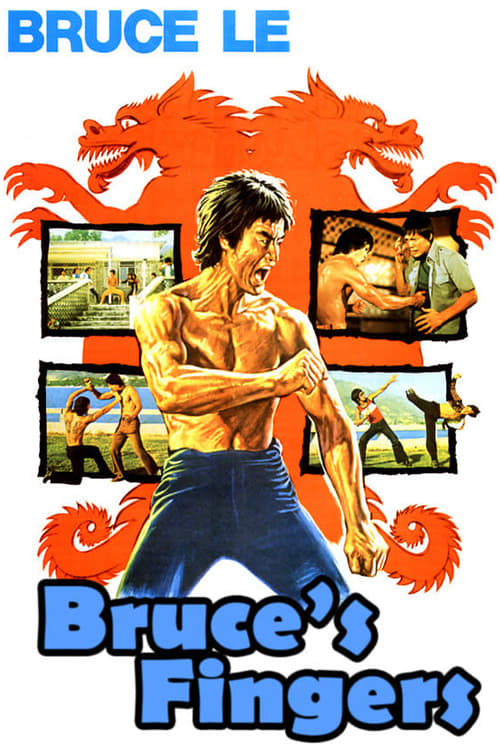
Bruce Le stars in this South Korean action film that revolves around some stolen microfilm and a mute beggar with questionable fighting and social skills. Bruce’s character, who seems to go unnamed throughout the film, has turned mute as a result of a traumatic childhood and an abusive boyfriend of his mother. He also has taken on the persona of a cat, communicating only in yowls, growls and caterwauling. He is quite taken with a woman whose boyfriend is a secret agent in possession of important microfilm and is on the run from the mafia.
1980
1976

1980
1979
1976

1989
1976

1978
No reviews yet. Be the first to share your thoughts on this movie!
Use the rating form above to leave a star rating and optional review.