Yateem
1988
No user ratings available yet
Representation score: 1.4 out of 10
Representation Score
Limited
1993
E10+Director
Tulsi Ghimire
Runtime
166 minutes
Average Rating
No ratings yetNew Showbiz Analysis
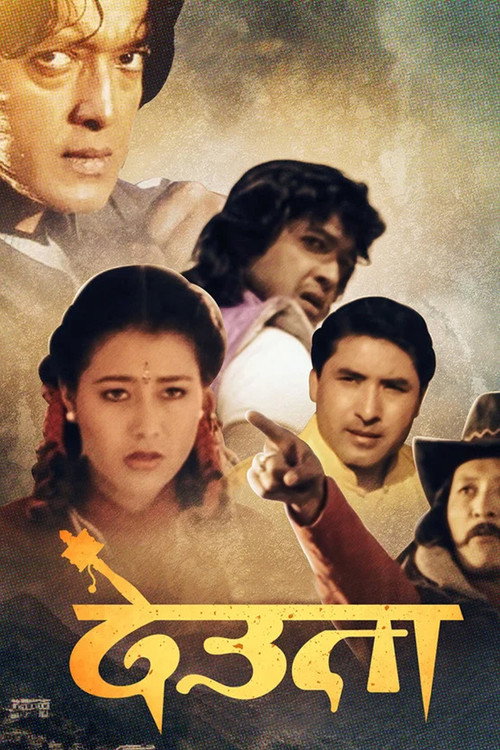
Deuta is a period-appropriate melodrama that adheres to the storytelling conventions of 1990s South Asian cinema. The plot centers on a romantic love triangle and the pursuit of artistic passion, prioritizing individual ability to act through Srijana's vocation. While the film offers a degree of women's ability to drive the story via its protagonist's refusal of an arranged marriage, it lacks structural complexity. The narrative does not intentionally challenge social hierarchies or deconstruct traditional institutions, remaining within a localized, character-driven framework. Ultimately, the film serves as a culturally specific representation of its era, focusing on interpersonal relationships rather than systemic critique or characters who reflect more than one aspect of diversity.
Category Breakdown
The film focuses on a traditional romantic triangle between Srijana, Sonam, and Shankar. There are no queer narratives or non-cisgender identities represented.
Srijana prioritizes her painting career over an arranged marriage, demonstrating strong ability to act. However, the film remains a conventional romantic drama centered on standard gender roles.
The cast and setting reflect the ethnic homogeneity of the Nepali film industry. It provides culturally specific representation without blending different aspects of identity.
The plot follows established social mores regarding village life and family business. It operates within a traditional framework without challenging religious or social institutions.
The narrative does not feature characters with visible or invisible disabilities.
Present on Screen
Limited or Absent
Official Synopsis
Srijana, an aspiring painter residing with her father, is reluctant to wed the sole son of her father's business associate. Opting to further her painting skills, she decides to visit her paternal aunt in a distant village. There, she encounters Sonam and Shankar, leading to the emergence of a love triangle that unfolds over time.
1988
1989
2005
2004
2008

2013
1980
1999
No reviews yet. Be the first to share your thoughts on this movie!
Use the rating form above to leave a star rating and optional review.