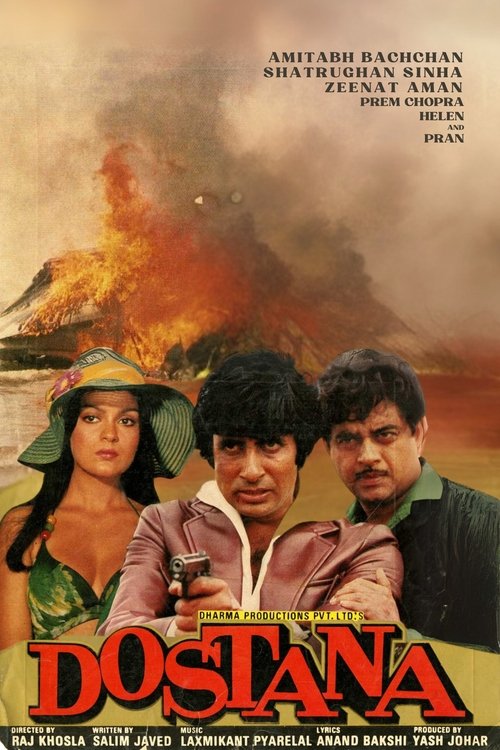
Dostana
1980
No user ratings available yet
Representation score: 2.2 out of 10
Representation Score
Fair
1980
Director
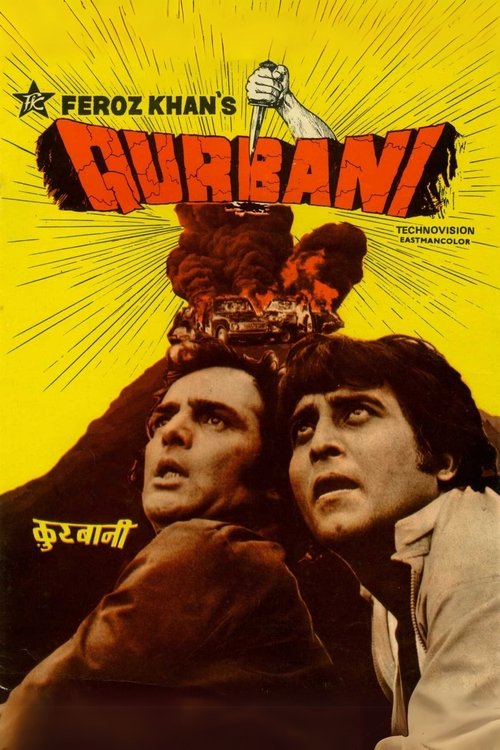
Feroz Khan
Runtime
157 minutes
Average Rating
No ratings yetNew Showbiz Analysis
Qurbani is a classic 1980s masala action film that prioritizes high-stakes melodrama and traditional archetypes. The narrative structure is built on established social hierarchies and conventional gender dynamics, serving as a commercial vehicle for heroic storytelling. The film reinforces traditional masculine leadership and the cliché of brotherhood and honor. While it features a prominent female performer, the central ability to act remains with the male leads, offering little challenge to established gender roles. Ultimately, the work functions as a localized cultural product. It lacks the depth or systemic critique necessary to move beyond the standard clichés of its genre.
Category Breakdown
The film adheres to a strict focus on heterosexual relationships, excluding LGBTQ+ characters or non-cisgender identities. It centers around a traditional romantic triangle involving heterosexual couples.
The narrative emphasizes the ability to act of male protagonists, reinforcing traditional masculine leadership. While Sheela is visible, her role is primarily defined by her relationship to the male characters.
The cast is predominantly South Asian, reflecting its cultural production context. It maintains a culturally cohesive environment without significant racial blending or overlapping identities.
The story uses a rich versus poor dichotomy typical of crime dramas. However, it focuses on personal revenge and loyalty rather than a broader critique of social stratification.
There is no meaningful depiction of physical or neurodivergent disabilities. Characters are defined by their physical capability to perform the film's action sequences.
Present on Screen
Limited or Absent
Official Synopsis
Cabaret dancer and singer, Sheela has two admirers: small-time thief Rajesh and eligible young widower Amar. They are best friends and don't realize that they love the same woman. An enemy in the guise of Vikram Singh makes both men's lives miserable by exposing their realities to each other, turning their friendship upside-down.
1980
1995
1991

2003

2003
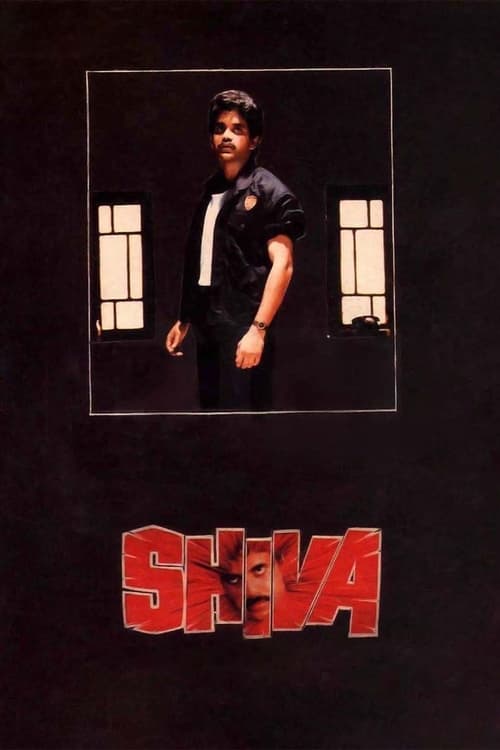
1990
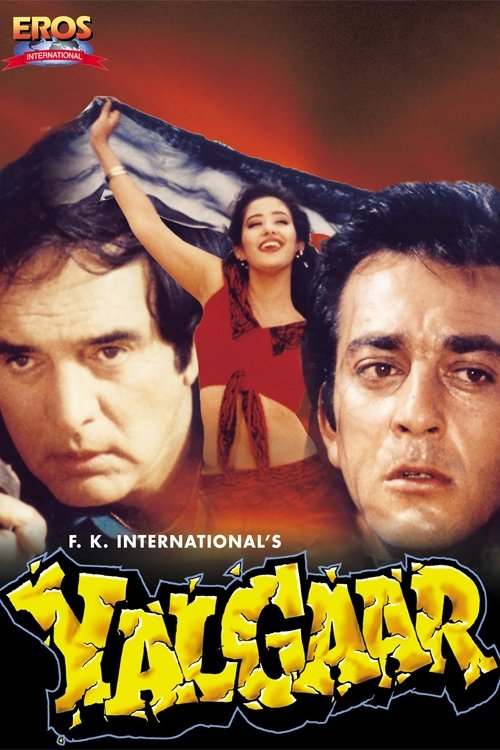
1992
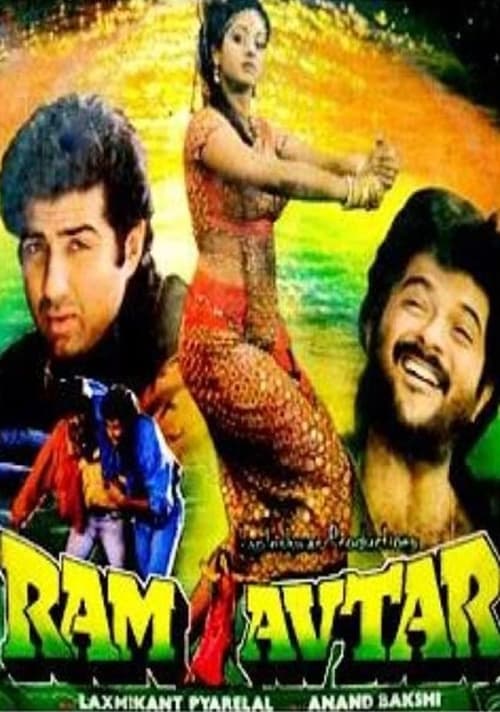
1988
No reviews yet. Be the first to share your thoughts on this movie!
Use the rating form above to leave a star rating and optional review.