Chasing Luck(y)
2005
No user ratings available yet
Diversity score: 3.7 out of 10
2007
RDirector
Serge Rodnunsky
Runtime
89 minutes
Average Rating
No ratings yetSynopsis
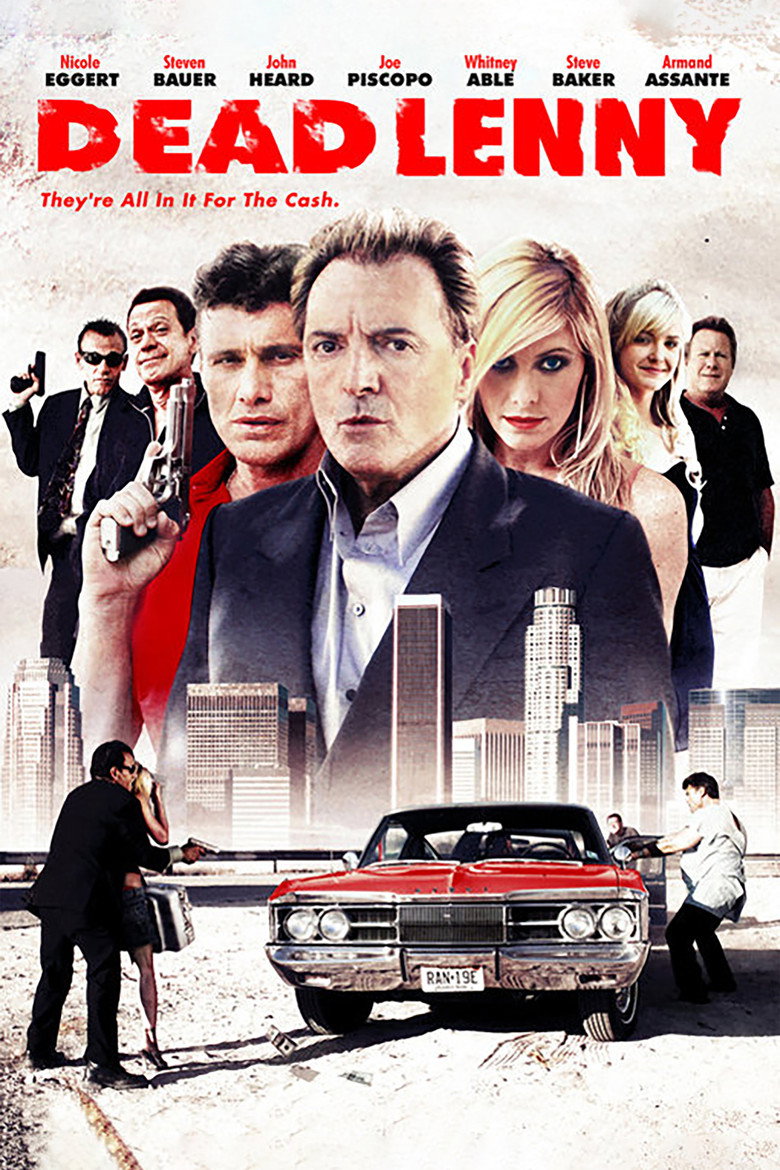
A local New York City mobster named Tony Thick is expecting $5 million in cash to be delivered by Lenny Long from Los Angeles. Soon enough he realizes Lenny is missing, and it's unknown whether he is dead or he stole the money and ran away. Thick sends Shady, his made man, to L.A. to look for the missing cash. In his search, Shady meets Lenny's baby-desperate wife Sally, his ditsy mistress Eve, his muscle headed brother Louis, his quirky neurosurgeon Dr. Hooker, and a crew of other nut jobs. None of them know where Lenny is or what happened to him, but they all know that Lenny promised them a share of the money. With Lenny discovered in the San Fernandino hospital, drifting in and out of a coma, Shady has to discover where the money is.
Overall Score
Limited
Category Breakdown
LGBTQ+ Representation
The film focuses on conventional romantic dynamics between Lenny, his wife Sally, and his mistress Eve. There is no evidence of non-cisnormative identities or narratives that challenge heteronormativity.
Gender Representation
A patriarchal hierarchy dominates the story, with male characters driving the central agency. Female characters are defined by their relationships to men, appearing as a desperate wife or a ditsy mistress.
Racial & Ethnic Diversity
The narrative centers on an Italian-American mob archetype. There is no indication of a non-white majority cast or an intentional blending of diverse racial identities within the criminal underworld.
Religious & Cultural Diversity
The plot relies on traditional Western crime tropes and the pursuit of capital. It lacks evidence of secularism or the deconstruction of traditional family units, focusing instead on individual greed.
Disability Representation
Lenny’s coma serves as a medical crisis that drives the plot forward. However, this appears to be a narrative device for the money hunt rather than a character-driven exploration of disability.
Strengths
Areas for Improvement
AI Analysis
Dead Lenny operates strictly within the established boundaries of the crime-comedy genre. The story relies on traditional archetypes, such as the mobster and the missing money, which limits the scope for diverse perspectives. The character dynamics reinforce systemic hierarchies. Men drive the action, while women are relegated to supporting roles defined by their proximity to the male leads. This structure prioritizes genre tropes over intersectional depth. While the film introduces a medical crisis through a character in a coma, it functions as a plot catalyst rather than a meaningful exploration of disability. The overall result is a homogeneous narrative centered on conventional social structures.
2005
1981
2002
2004
2007
1992
2016
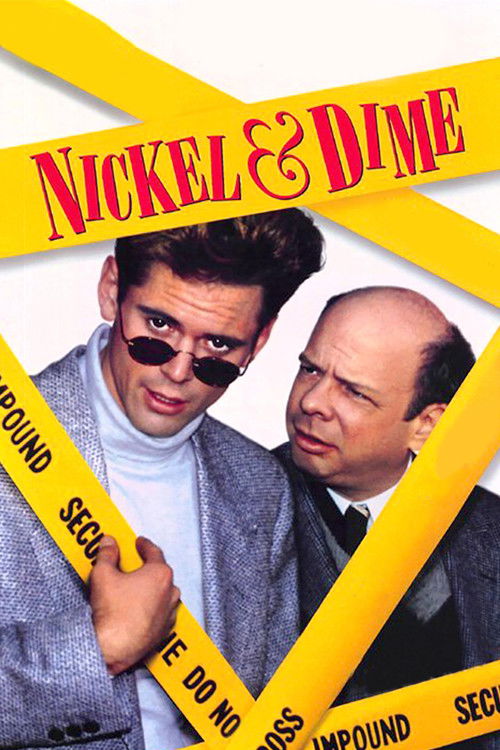
1992
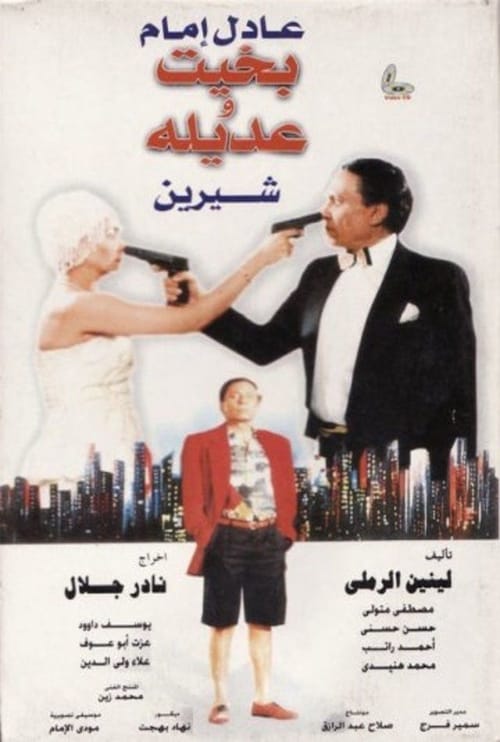
1995
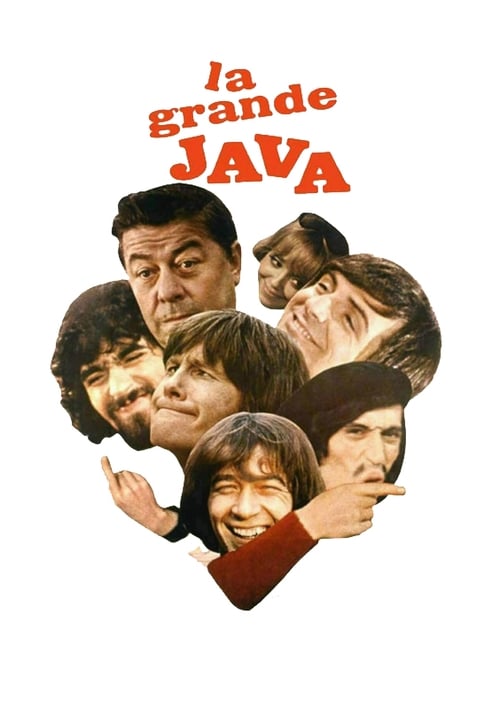
1971
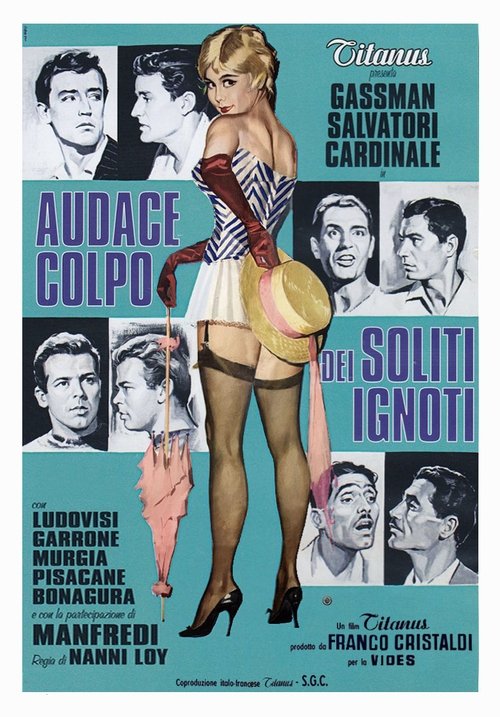
1959
1977
No reviews yet. Be the first to share your thoughts on this movie!
Use the rating form above to leave a star rating and optional review.