
The last incubus
2014
No user ratings available yet
Representation score: 4.8 out of 10
Representation Score
Excellent
1993
Director
Dragan Marinković
Runtime
88 minutes
Average Rating
No ratings yetNew Showbiz Analysis
Byzantine Blue serves as a cultural bridge, linking European and Balkan identities through a fantasy lens. It moves away from conventional Western clichés by highlighting the unique historical and visual legacy of the Byzantine Empire. The film employs religious iconography as a key element of the plot rather than just decoration. This indicates a deliberate effort to prioritize localized, non-Western historical narratives and cultural heritage. Although the film does not explicitly challenge traditional social structures, its thematic focus on the fusion of diverse geographies fosters a meaningful cross-cultural dialogue.
Category Breakdown
The film presents a sensual love story without specifying the sexual orientations of the main characters. Therefore, the LGBTQ+ representation remains neutral.
The focus on sensual romance hints at a possible shift in traditional gender roles. However, the specific roles and actions of female characters or the subversion of typical masculine traits are not clearly defined.
By examining the connection between Europe and the Balkans, the film showcases distinct cultural identities. This approach helps break down the Eurocentric perspective commonly found in fantasy stories.
The storyline revolves around the search for Byzantine church murals and sacred aesthetics, emphasizing a non-Western, Eastern Orthodox historical narrative.
There is no indication within the narrative that disability plays a central role or is a characteristic of any character.
Present on Screen
Limited or Absent
Official Synopsis
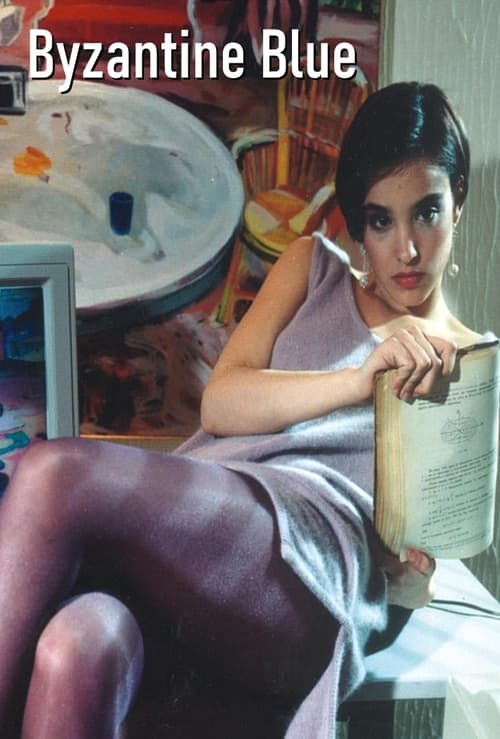
The search for the everlasting blue paint from Byzantine church murals turn into a sensual love story in which Europe meets the Balkans.
2014

1974

1997

2015

1984

2011

1997

2019
No reviews yet. Be the first to share your thoughts on this movie!
Use the rating form above to leave a star rating and optional review.