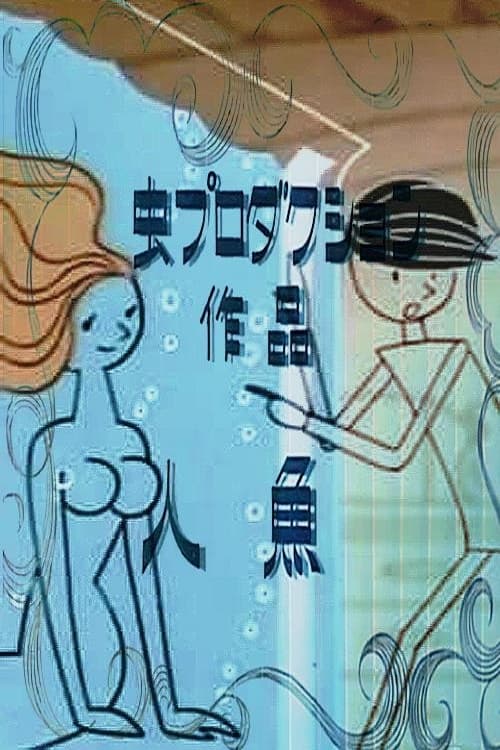
Mermaid
1964
No user ratings available yet
Representation score: 4.9 out of 10

Representation Score
Fair
1997
Director
Aleksandr Petrov
Runtime
10 minutes
Average Rating
No ratings yetNew Showbiz Analysis
Aleksandr Petrov’s *Mermaid* is a postmodern animation that prioritizes impressionistic visuals over traditional character development. By focusing on mythic, elemental forms, the film deconstructs social hierarchies. However, its highly stylized, non-human nature limits engagement with social diversity. Characters exist as ethereal archetypes, avoiding harmful stereotypes but also lacking meaningful representation of race, gender, or LGBTQ+ identity. Ultimately, the film offers a sophisticated departure from conventional storytelling, though it falls short in specific diversity representation.
Category Breakdown
The film presents characters as mythic archetypes, focusing on elemental forms rather than specific identities. It avoids traditional social categories, but does not include explicit LGBTQ+ identities.
Gender is portrayed through graceful movements and aesthetics rather than traditional social roles. The film avoids gender hierarchies by emphasizing fluidity and grace over domestic settings.
Characters are depicted as ethereal beings, avoiding traditional racial representation. While this avoids stereotypes, it also lacks intentional diversity in casting.
The film focuses on a spiritual connection with the sublime, rather than organized religion. It highlights the cyclical nature of existence through a monk's perspective, emphasizing memory and cycles.
There are no visible representations of physical or neurodivergent disabilities. Characters are portrayed as mythic archetypes without specific lived experiences.
Present on Screen
Limited or Absent
Official Synopsis
An elderly monk, while training the young novice who will succeed him, recalls the mysterious lost love of his past - just as his young successor appears to be encountering her himself.
1964

2020

1954

1993
1992
1994
2006
2008
No reviews yet. Be the first to share your thoughts on this movie!
Use the rating form above to leave a star rating and optional review.