
Afterburn
1992
No user ratings available yet
Diversity score: 3.9 out of 10
1986
Not RatedDirector
Lamont Johnson
Runtime
91 minutes
Average Rating
No ratings yetSynopsis
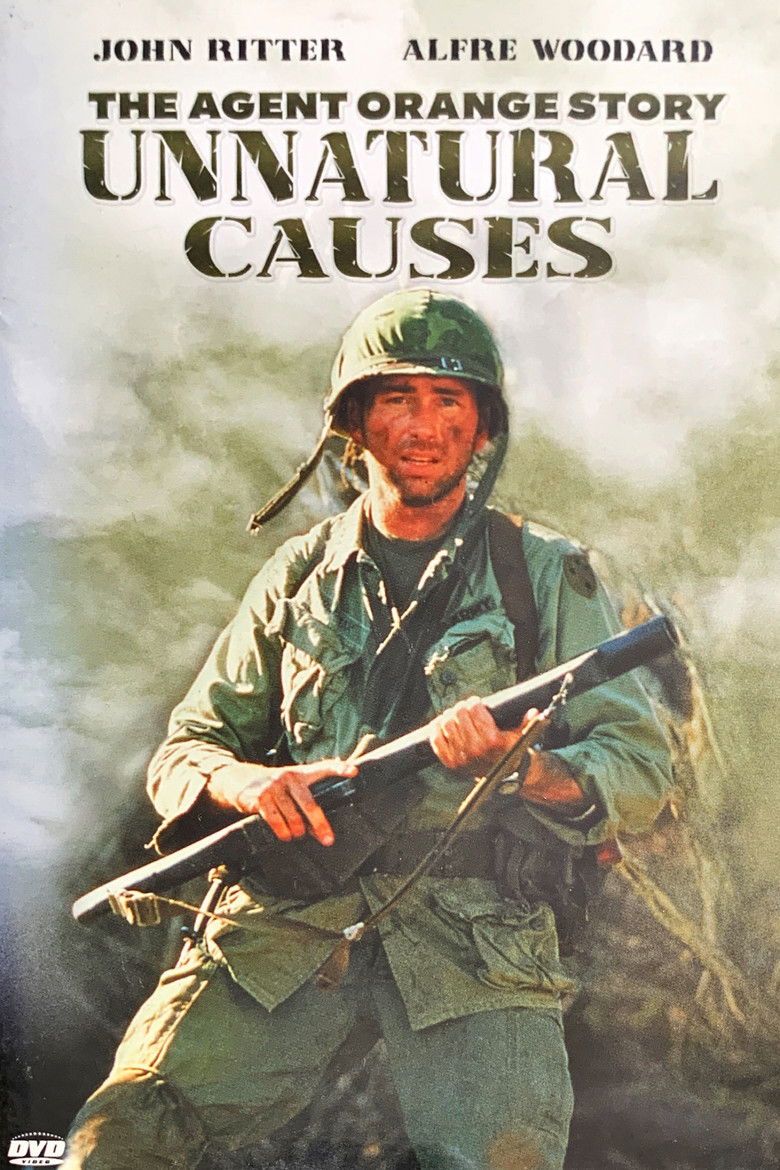
Frank Coleman is a Vietnam veteran dying from cancer brought on by exposure to the defoliant chemical Agent Orange which he turns to Maude DeVictor, a Veterans Administration benefits counselor who teams up with Coleman to fight a lopsided batted against the bureaucratic system for its cover up of the possible dangers of Agent Orange.
Overall Score
Fair
Category Breakdown
LGBTQ+ Representation
The film lacks LGBTQ+ characters or narratives. The story focuses exclusively on the dynamic between a veteran and a bureaucratic institution.
Gender Representation
Maude DeVictor, a VA counselor, provides significant intellectual agency. She acts as a professional catalyst, navigating the bureaucratic labyrinth to assist the protagonist.
Racial & Ethnic Diversity
The narrative centers on the Vietnam veteran experience without mentioning a diverse cast. It follows traditional, homogeneous dramatic structures common in mid-80s television.
Religious & Cultural Diversity
The film offers a sharp critique of Western institutional integrity. It adopts a skeptical stance toward state authority and traditional patriotism regarding government cover-ups.
Disability Representation
Physical illness is central to the plot rather than a secondary device. The protagonist maintains agency while fighting the socio-political implications of his cancer.
Strengths
Areas for Improvement
AI Analysis
Unnatural Causes functions as a critique of institutional opacity rather than a study of social identity hierarchies. It replaces the traditional heroic veteran archetype with a narrative of bodily vulnerability and systemic betrayal. The film's strength lies in its anti-authoritarian framework and its exploration of how bureaucratic indifference impacts individual suffering. It successfully avoids treating chronic illness as mere inspiration porn, focusing instead on the fight for justice. However, the film lacks intersectional breadth. It remains narrow in its focus on race and sexual orientation, adhering to the more homogeneous storytelling styles of its era.
1992
2006
1976
1988
No reviews yet. Be the first to share your thoughts on this movie!
Use the rating form above to leave a star rating and optional review.