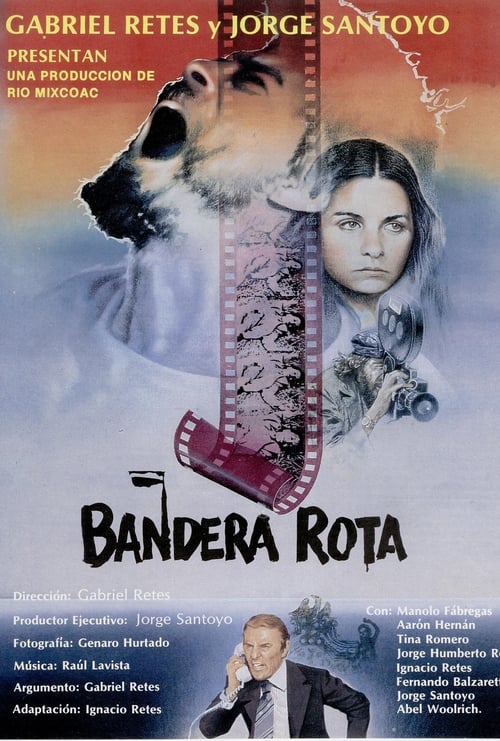
Broken Flag
1979
No user ratings available yet
Diversity score: 4.8 out of 10
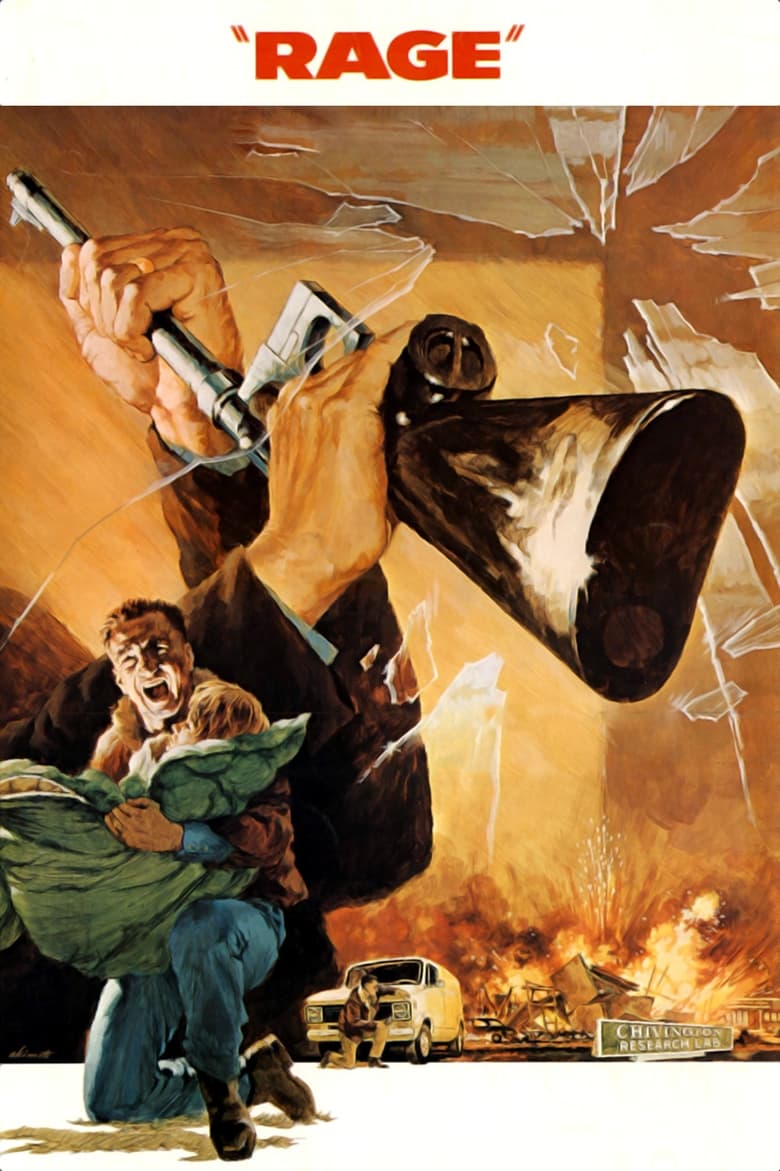
1972
PGDirector
George C. Scott
Runtime
100 minutes
Average Rating
No ratings yetSynopsis
An accidental nerve gas leak by the military kills not only a rancher's livestock, but also his son. When he tries to hold the military accountable for their actions, he runs up against a wall of silence.
Overall Score
Limited
Category Breakdown
LGBTQ+ Representation
The film lacks any evidence of LGBTQ+ characters or narratives. The story focuses exclusively on a singular familial tragedy.
Gender Representation
The plot centers on a patriarchal figure reacting to his son's death. It features a male protagonist navigating a male-dominated military hierarchy.
Racial & Ethnic Diversity
The ranch setting and 1972 military context suggest a predominantly white, rural demographic. The narrative appears to center on a homogeneous social unit.
Religious & Cultural Diversity
The film offers a strong critique of institutional authority. It disrupts patriotic ideals by portraying the state as a corrupt and silent entity.
Disability Representation
While death is a central theme, there is no representation of living characters with disabilities. Trauma serves as a plot catalyst rather than a study of agency.
Strengths
Areas for Improvement
AI Analysis
Rage (1972) functions as a gritty piece of social realism that prioritizes systemic critique over demographic variety. The film's narrative power comes from its deconstruction of institutional authority, framing the military as a lethal, unpredictable force rather than a protector. However, this focus on a singular, patriarchal struggle results in a lack of intersectional representation. The story remains narrow, centering on a homogeneous social unit and traditional gender roles typical of its era. Ultimately, the film trades breadth for depth, offering a profound look at the friction between individual grief and state-sponsored negligence.
1979
1975
1966
1999
1983
1990

2023
2007
1970
1960
1976

1990
No reviews yet. Be the first to share your thoughts on this movie!
Use the rating form above to leave a star rating and optional review.