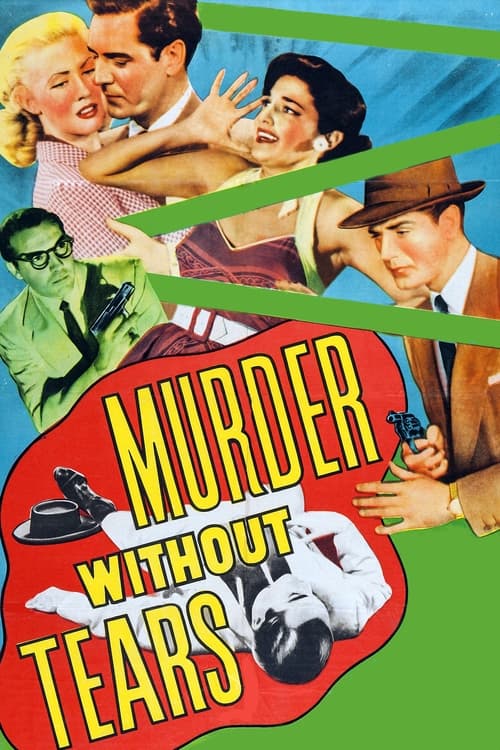
Murder Without Tears
1953
No user ratings available yet
Representation score: 1.1 out of 10

Representation Score
Limited
1957
Director
Vernon Sewell
Runtime
80 minutes
Average Rating
No ratings yetNew Showbiz Analysis
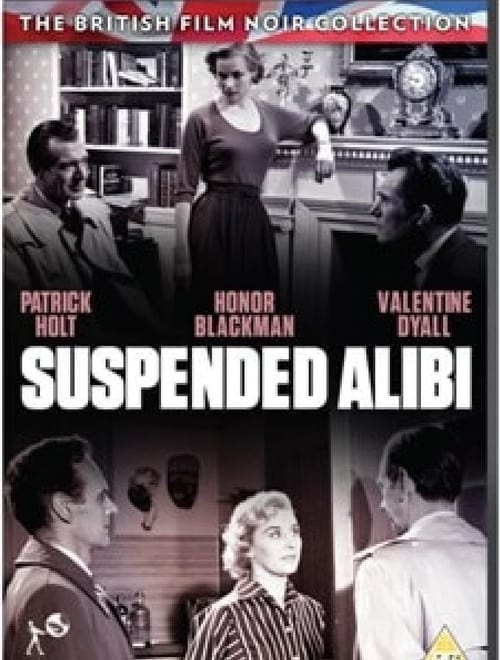
The film presents a conventional 1957 British crime drama where gender roles are traditional. Men act as the primary agents, while women are defined by their relationships or physical states. The narrative relies on a male detective to restore order after a male murderer’s scheme. Racial and LGBTQ+ representation is absent, reflecting the era’s standard production practices. The cast is entirely white, with no non-white characters or same-sex dynamics present in the main narrative. The story focuses on individual ambition and moral failure rather than systemic critique. Disability is used as a functional plot element rather than a character trait. The wife’s illness serves as the primary murder motive, threatening the husband’s plan. There is no focus on race, LGBTQ+ identity, or disability as lived experiences.
Category Breakdown
All romantic and interpersonal dynamics are strictly heterosexual. The central conflict involves a man and his mistress plotting against his wife. No same-sex intimacy, coding, or discussion appears in the provided credits, synopsis, or dialogue.
Men drive the plot: the husband schemes, the detective investigates, and the mistress manipulates. Women are framed by their domestic roles or physical states. No woman holds institutional power or independent professional agency.
The cast is entirely white British. Characters include a French police official, but no non-white individuals appear in the credits, synopsis, or dialogue. The story takes place in a homogeneous post-war British setting with no focus on ethnicity or cross-cultural interaction.
Traditional institutions are questioned. Marriage is treated as a trap when the wife is ill; wealth is viewed as a motivator for murder rather than a blessing. The police are portrayed as bureaucratic and initially ineffective. However, the detective’s eventual success restores a conventional order of justice.
The wife is an invalid, described as having a condition that may be cured by new treatment. Her disability is a plot device: her potential recovery threatens the husband’s plan. It is not depicted as an ongoing life experience but as a temporary obstacle to the murder.
Present on Screen
Limited or Absent
Official Synopsis
An adulterous husband plans to kill his invalid wife. He thinks that he has the perfect alibi, but an alert detective unravels his story.
1953

1950
1957

1958
1950
1950

1953
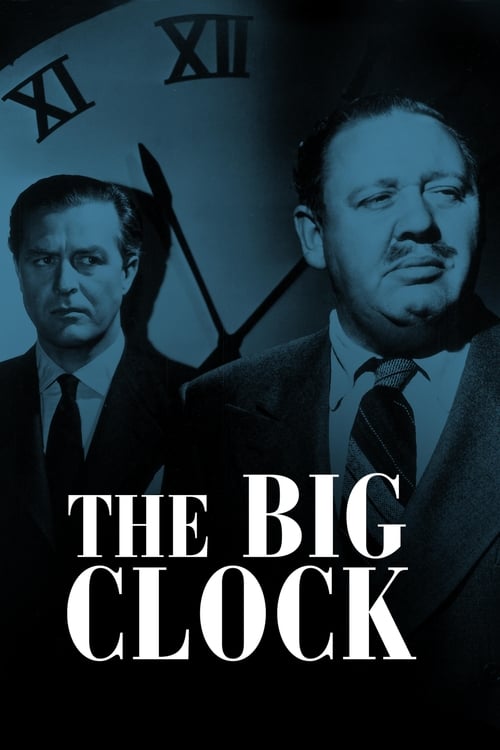
1948
No reviews yet. Be the first to share your thoughts on this movie!
Use the rating form above to leave a star rating and optional review.