WitchSlayer Gretl
2012
No user ratings available yet
Representation score: 2.5 out of 10
Representation Score
Fair
2002
Director
Joshua Butler
Runtime
90 minutes
Average Rating
No ratings yetNew Showbiz Analysis
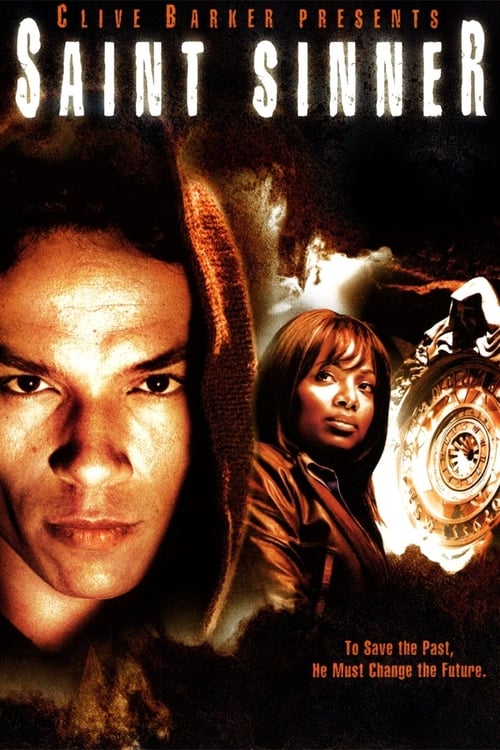
Saint Sinner employs supernatural genre clichés to subtly challenge traditional hierarchies. By focusing on female entities and a protagonist with a non-Western surname, it diverges from the era's homogeneous casting patterns. While the film offers more ability to act to its female characters, it lacks deeper characters who reflect more than one aspect of diversity. The narrative relies on genre archetypes rather than explicit social representation. Ultimately, it provides a moderate departure from orthodox religious structures but remains limited by a lack of diverse ensemble evidence.
Category Breakdown
The presence of succubi challenges traditional gender norms, but the film does not depict same-sex relationships or non-cisgender identities explicitly.
Female supernatural entities Munkar and Nakir play key roles in driving the plot, challenging the stereotype of women being relegated to supporting roles.
The protagonist, Tomas Alcala, has a non-Anglo-Saxon surname, suggesting a shift from the traditionally homogeneous casting of religious figures.
The film presents a morally relative conflict framed around situational ethics, avoiding rigid Christian morality by depicting supernatural beings as chaotic forces.
There is no evidence regarding the portrayal of physical or neurodivergent disabilities within the narrative.
Present on Screen
Limited or Absent
Official Synopsis
In 1815 a monk, Tomas Alcala, unwittingly unleashes two female succubi, Munkar and Nakir, upon an unsuspecting 21st century. He is chosen by God to travel through the centuries and stop the demons' rampage.
2012

2006
2012

2007
1995
1995

2010
1989
No reviews yet. Be the first to share your thoughts on this movie!
Use the rating form above to leave a star rating and optional review.