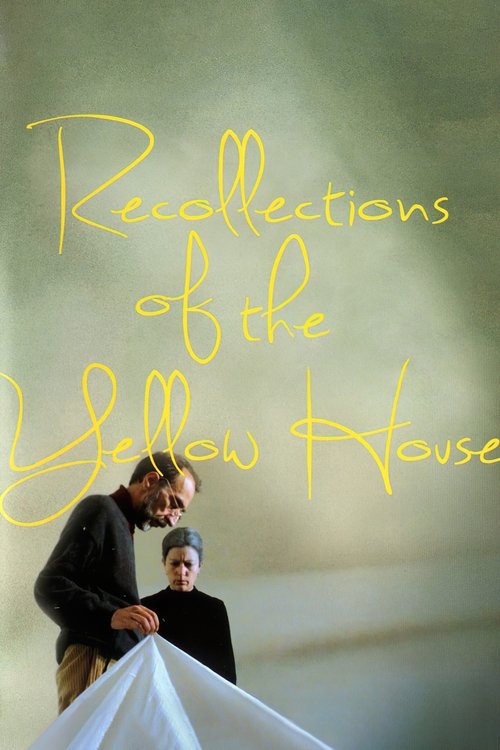
Recollections of the Yellow House
1989
No user ratings available yet
Representation score: 5.5 out of 10
Representation Score
Excellent
2001
Director
Carla Camurati
Runtime
90 minutes
Average Rating
No ratings yetNew Showbiz Analysis
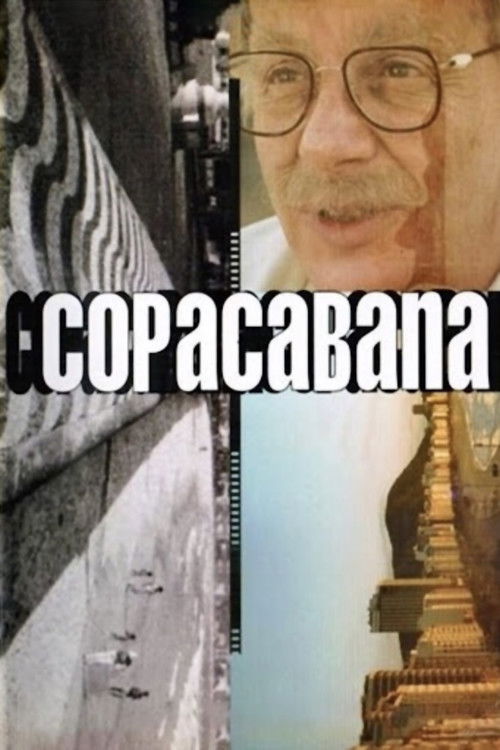
Copacabana succeeds as a sociological study of Rio de Janeiro, using the neighborhood to deconstruct class stability and social hierarchies. Its strongest asset is a realistic portrayal of Brazil's racial diversity, which is woven into a critique of systemic stratification. However, the film lacks depth in representing LGBTQ+ identities and disability. These elements remain secondary to the primary themes of aging and economic struggle, preventing a more inclusive social tapestry. Ultimately, the film elevates itself through social realism. It shifts the focus from individual merit to the systemic pressures of a post-colonial urban center, offering a sophisticated critique of traditional economic institutions.
Category Breakdown
The film does not provide explicit storylines focused on LGBTQ+ characters. While the urban setting allows for diverse sexualities, the narrative emphasizes class and age over LGBTQ+ identities.
Women are shown as active participants in economic survival rather than passive dependents. The film challenges traditional hierarchies by highlighting women's roles in a decaying urban environment.
The cast reflects Brazil's racial diversity, featuring Black and mixed-race characters. This integration uses racial identity to examine how systemic stratification affects different demographics.
The film critiques capitalist structures and the gap between the elite and those left out. It frames social breakdown as a result of systemic neglect and survival necessity.
There is little evidence of character arcs centered on physical disabilities or neurodivergence. The narrative focuses on socioeconomic and age-related struggles instead.
Present on Screen
Limited or Absent
Official Synopsis
Moments before turning 90 years of age, Alberto remembers his life, lived in Copacabana, a neighborhood in Rio de Janeiro. The film is a comedy about old age nowadays, with Copacabana as a background.
1989

2013

1979

2011

2010

2022

1993

1984
No reviews yet. Be the first to share your thoughts on this movie!
Use the rating form above to leave a star rating and optional review.