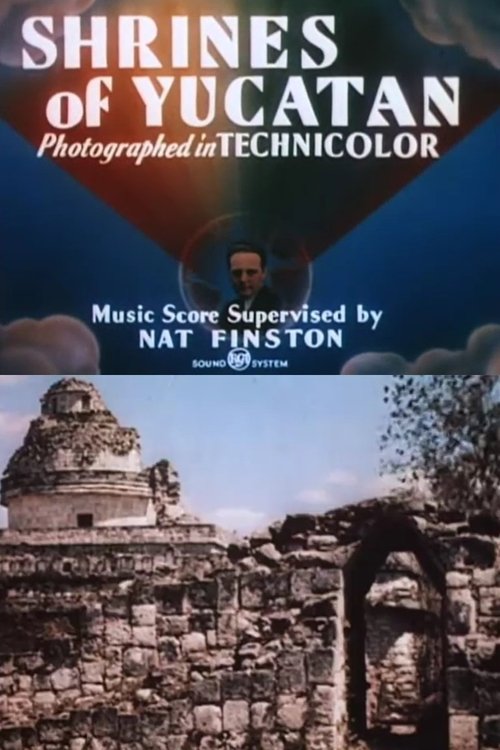
Shrines of Yucatan
1945
No user ratings available yet
Representation score: 1.5 out of 10

Representation Score
Limited
1936
ApprovedRuntime
7 minutes
Average Rating
No ratings yetNew Showbiz Analysis
This 1936 production serves primarily as a visual record of Mayan civilization in Chichicastenango, Guatemala. Its value lies in its ethnographic focus, providing racial and ethnic visibility that was often missing in mainstream films of the period. However, the film lacks the narrative complexity necessary to explore identity politics or social hierarchies. It appears to be a descriptive cultural artifact rather than a transformative text designed for social deconstruction. Ultimately, while the film centers non-Western subjects, it fails to provide the character-driven ability to act needed to address broader social dimensions like gender or LGBTQ+ representation.
Category Breakdown
The film does not include any characters or stories related to LGBTQ+ identities or non-traditional gender roles. It focuses more on cultural documentation than character development.
The film likely follows traditional gender roles typical of 1930s ethnographic cinema, but there is no evidence of women taking a leading role or challenging gender hierarchies.
By focusing on the Mayan people, the film provides significant visibility to an indigenous population, disrupting the Eurocentric tendencies common in mainstream cinema of the time.
The film offers a glimpse into a non-Western cultural framework. However, it is unclear whether the work critiques Western dominance or merely observes traditions through an anthropological lens.
There is no evidence of individuals with visible or invisible disabilities being portrayed in this work.
Present on Screen
Limited or Absent
Official Synopsis
A visit to Chichicastenango, Guatemala, where Mayan civilization flourished.
1945
1995

1946
1937
2019
1945
1946
1939
No reviews yet. Be the first to share your thoughts on this movie!
Use the rating form above to leave a star rating and optional review.