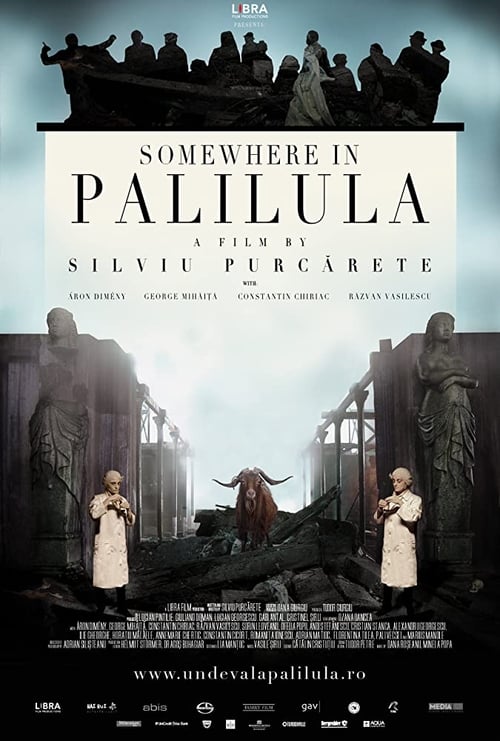
Somewhere in Palilula
2012
No user ratings available yet
Diversity score: 4.8 out of 10

2005
RDirector
Richard E. Grant
Runtime
120 minutes
Average Rating
No ratings yetSynopsis
Set at the end of the 1960s, as Swaziland is about to receive independence from United Kingdom, the film follows the young Ralph Compton, at 12, through his parents' traumatic separation, till he's 14.
Overall Score
Fair
Category Breakdown
LGBTQ+ Representation
The film explores adolescent sexual curiosity and the tension between desire and social mores. It disrupts mid-century heteronormativity by highlighting sexual fluidity, though it remains a coming-of-age story rather than a dedicated queer narrative.
Gender Representation
The narrative deconstructs the idealized nuclear family by focusing on the traumatic separation of the protagonist's parents. Female characters show complexity that challenges typical submissive period archetypes, despite the male-centric lens.
Racial & Ethnic Diversity
Set during Swaziland's transition to independence, the film incorporates the decolonization process. While the central cast is predominantly white, the post-colonial struggle provides a necessary counter-perspective to the domestic drama.
Religious & Cultural Diversity
The film critiques traditional Western institutions and mid-century moralities. By framing domestic life through trauma and instability, it challenges the perceived stability of the British imperial era and Western hegemony.
Disability Representation
There is no significant evidence regarding the portrayal of visible or invisible disabilities within the film.
Strengths
Areas for Improvement
AI Analysis
Wah-Wah functions as a sophisticated period piece that deconstructs the idealized mid-century West. It avoids sanitized historical narratives by focusing on the erosion of traditional hierarchies and the instability of the family unit. The film's strength lies in its thematic complexity, using the geopolitical shift of Swaziland's independence to provide a counter-perspective to its British-centric domestic drama. This prevents the story from becoming a purely Eurocentric study. While the film lacks a high volume of intersectional identities, it offers a morally relativistic view of the era. It successfully uses the friction between individual identity and rigid social structures to drive its character-driven narrative.
2012
2018

2012
2006

2016
2000
2010
2005
1995
2009

1998
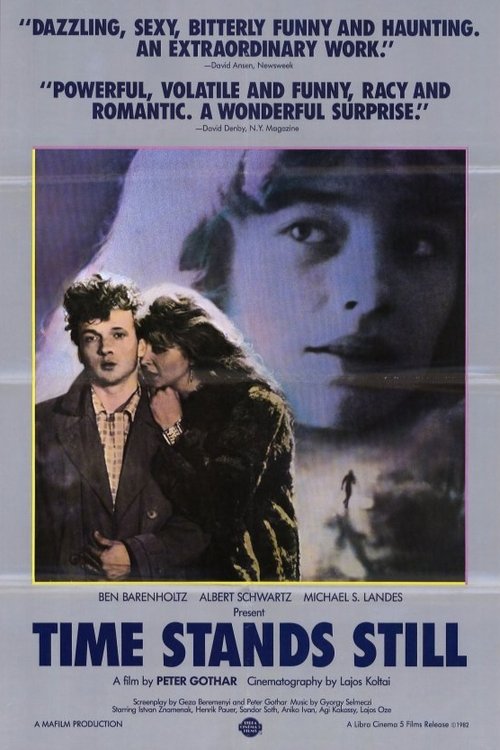
1982
No reviews yet. Be the first to share your thoughts on this movie!
Use the rating form above to leave a star rating and optional review.