
Teresa Venerdì
1941
No user ratings available yet
Diversity score: 3.2 out of 10

1967
Director
J.B. Tanko
Runtime
90 minutes
Average Rating
No ratings yetSynopsis
Epitácio is the driver of a widower musical entrepreneur. Concerned with the boss' happiness, Epitácio tries to find him a wife and introduces him to Lucy, the children's teacher, who dreams of becoming a singer.
Overall Score
Limited
Category Breakdown
LGBTQ+ Representation
The film follows conventional romantic tropes centered on a widower. There is no evidence of non-cisnormative identities or narratives that critique heteronormativity.
Gender Representation
The plot relies on traditional gendered dynamics between a male entrepreneur and a female teacher. While Lucy has professional ambitions, her role primarily serves the protagonist's emotional needs.
Racial & Ethnic Diversity
The narrative lacks evidence of a non-white majority cast or intentional casting to disrupt historical norms. It appears to follow standard mid-century demographic compositions.
Religious & Cultural Diversity
The story reinforces conventional social structures through matchmaking and the pursuit of marriage. It adheres to traditional values rather than exploring secularism or anti-capitalist themes.
Disability Representation
There are no visible or invisible disabilities depicted or utilized as plot devices within the story.
Strengths
Areas for Improvement
AI Analysis
Adorável Trapalhão operates within the established commercial comedy structures of 1960s Brazilian cinema. The narrative prioritizes traditional romantic and social hierarchies, focusing on a matchmaking plot that reinforces conventional familial roles. The film lacks intersectional complexity, relying on mid-century tropes rather than subverting systemic norms. Character motivations are tied to traditional social stability and romantic resolution. Ultimately, the work functions as a standard romantic comedy of its era, offering little in the way of diverse representation or social critique.
1941
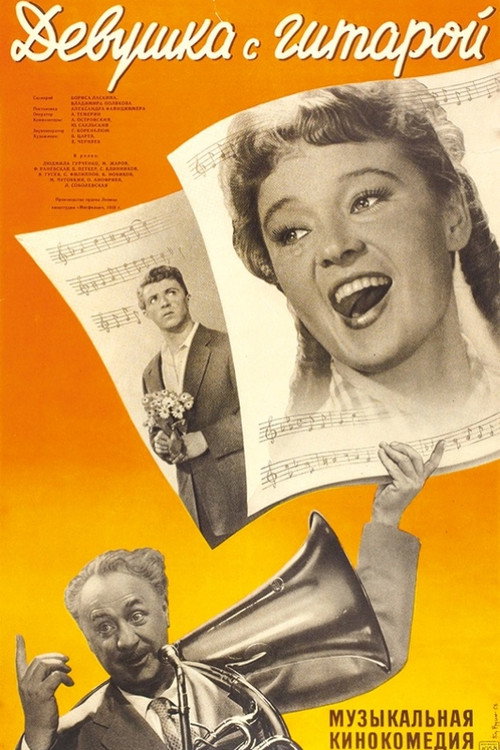
1958

2016
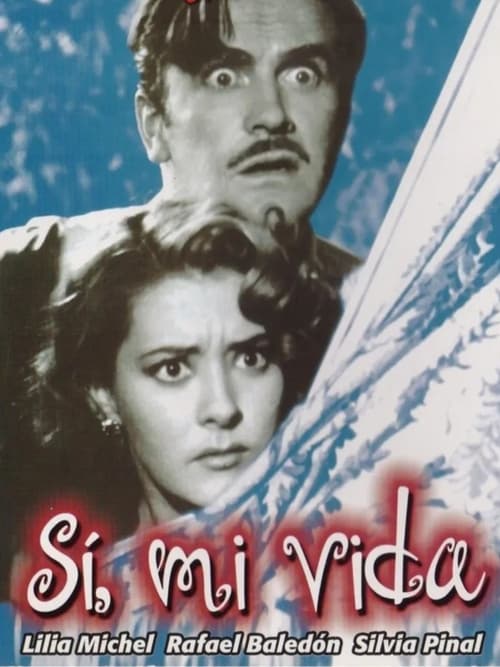
1953

1951
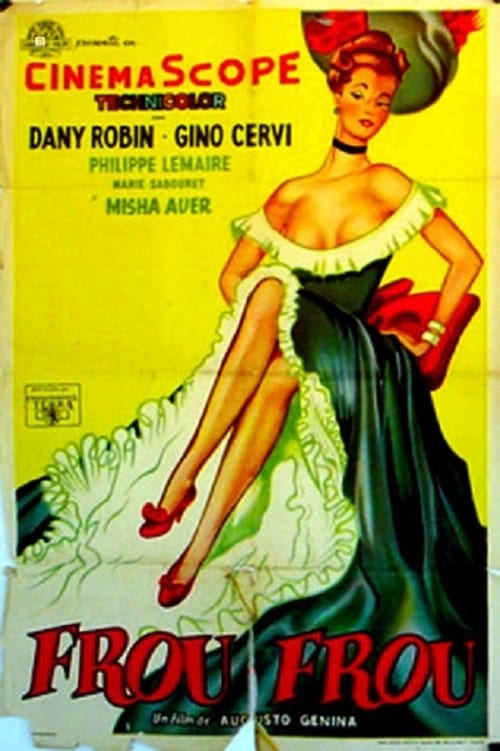
1955

2015

1978
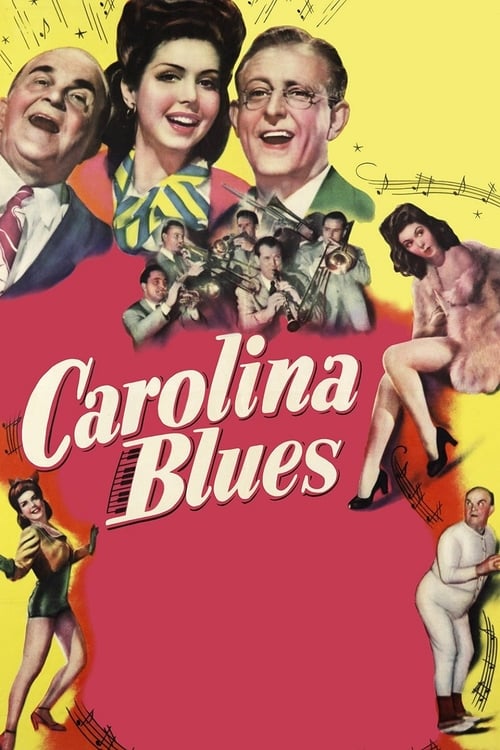
1944

1955
1966

1967
No reviews yet. Be the first to share your thoughts on this movie!
Use the rating form above to leave a star rating and optional review.