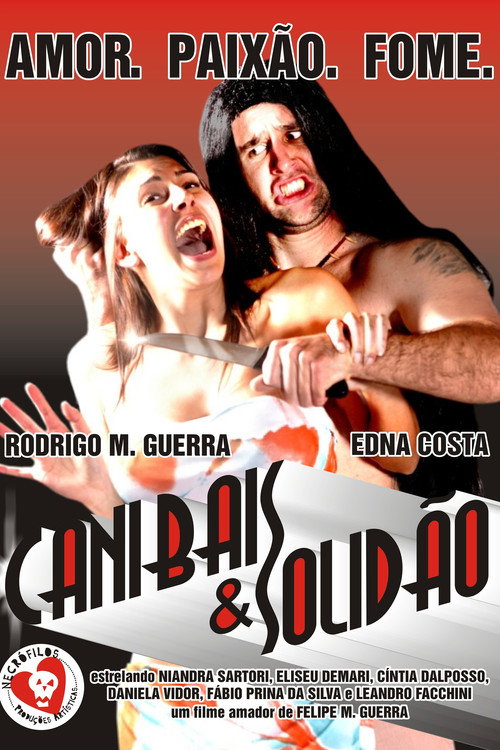
Canibais e Solidão
2006
No user ratings available yet
Representation score: 0.0 out of 10
Representation Score
Fair
2003
Director
Paulo Morelli
Runtime
87 minutes
Average Rating
No ratings yetNew Showbiz Analysis
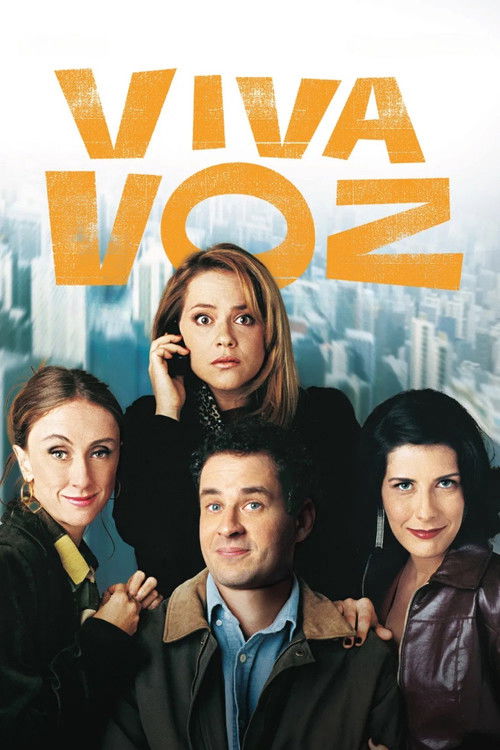
Viva Voz functions as a conventional romantic comedy that follows the standard genre structures of its time. While the casting suggests a narrative focused on female-led interpersonal dynamics, the film does not demonstrate a clear intent to challenge systemic hierarchies or explore complex identity issues. The production lacks verifiable evidence of progressive representation, particularly regarding disability or queer identities. It appears to operate within a baseline of regional demographic diversity without moving toward intentional multi-layered or subversive storytelling.
Category Breakdown
The film does not explicitly confirm any queer identities or non-straight relationship arcs. It follows traditional romantic structures typical of early 2000s Brazilian comedies.
The top-billed cast includes a strong female presence, indicating the story centers on female perspectives. However, there is no indication of challenging traditional gender roles.
Operating within a multi-ethnic context, the film does not provide specific information about the racial composition of the cast or efforts towards multi-layered casting.
The narrative adheres to conventional genre clichés and standard social institutions. It does not appear to critique Western institutions or promote specific religious ideologies.
There is no documented evidence of characters with visible or invisible disabilities. Neurodivergent representation is also not mentioned in the cast or synopsis.
Present on Screen
Limited or Absent
2006
2005
2015
2003
1999

2003

2015
2013
No reviews yet. Be the first to share your thoughts on this movie!
Use the rating form above to leave a star rating and optional review.