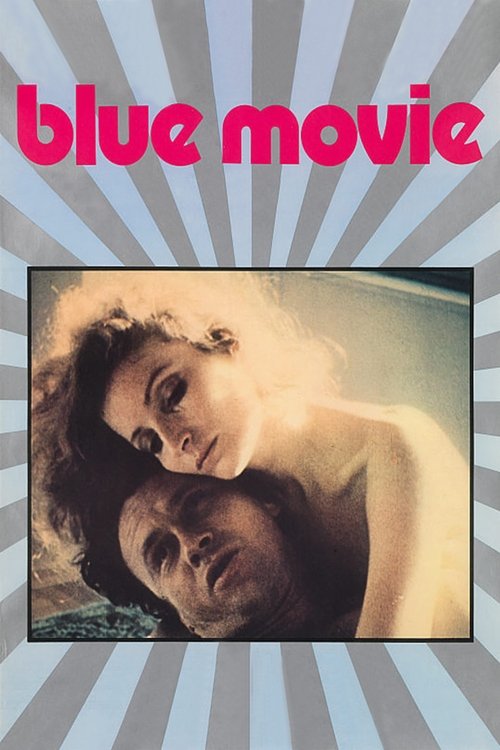
Blue Movie
1969
No user ratings available yet
Representation score: 4.6 out of 10
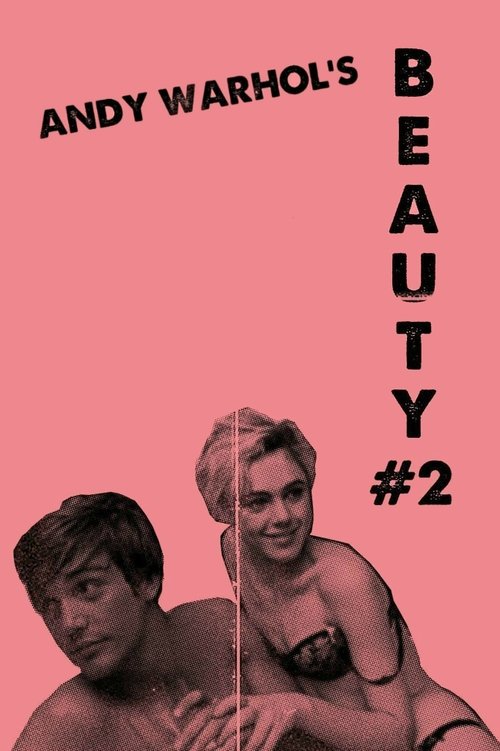
Representation Score
Fair
1965
Director
Andy Warhol
Runtime
66 minutes
Average Rating
No ratings yetNew Showbiz Analysis
Andy Warhol’s experimental approach deconstructs traditional cinematic hierarchies through static takes and unscripted interactions. The film focuses on human interaction rather than a structured narrative, highlighting the tension between subjects and an unseen authority. While the work doesn’t feature multi-layered casting or explore specific identities, it successfully subverts gendered power dynamics. The protagonist transitions from being observed to becoming an agent of rebellion, providing a progressive yet raw cinematic moment. Ultimately, the film's strength lies in its refusal to follow conventional Western storytelling, favoring subjective experience and moral ambiguity over polished, predictable resolutions.
Category Breakdown
The film showcases non-traditional interpersonal dynamics through casual intimacy between Sedgwick and Piserchio. Sexual orientation isn't explicitly defined, but the work emphasizes non-standard interactions over typical romantic clichés.
Sedgwick is a central figure who actively resists external provocations. Her final act of defiance against an intrusive male voice replaces submissive clichés with active, volatile resistance.
There is insufficient information regarding the racial or ethnic composition of the cast to provide an evaluation.
The film critiques mainstream moral structures through ad-libbed dialogue and a lack of resolution. It uses social interaction to challenge systemic pressures and traditional decorum.
The film does not include any information about neurodivergence or physical disabilities.
Present on Screen
Limited or Absent
Official Synopsis
The movie has a fixed point of view showing a bed with two characters on it, Sedgwick and Piserchio. Chuck Wein is heard speaking but is just out of view. Sedgwick is wearing a lace bra and panties, and Piserchio, wearing only jockey shorts, engage in flirting and light kissing. Wein asks Sedgwick questions seemingly designed to harass and annoy her. Piserchio is more or less a bystander not interacting with Wein. The dialogue seems created adlib and no conclusions are reached in the film. The only conceivable climax is when Sedgwick finally becomes so mad, she throws a glass ashtray at Wein, breaking it.
1969

1980
1969
1956
1991
1952
1972
1970
No reviews yet. Be the first to share your thoughts on this movie!
Use the rating form above to leave a star rating and optional review.