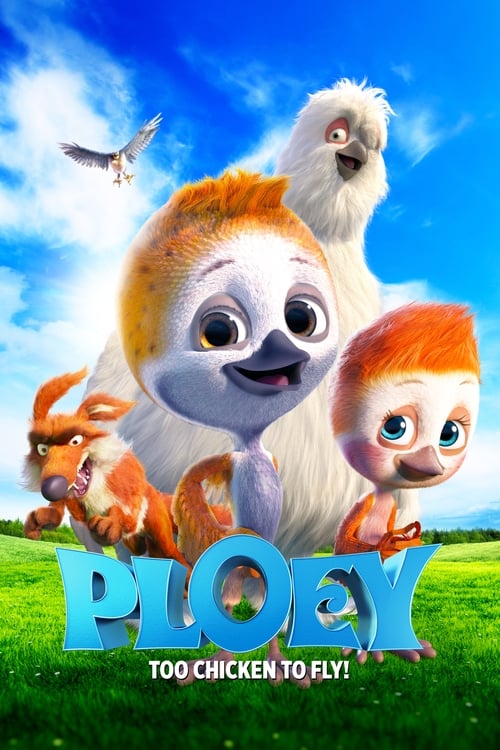
Ploey: You Never Fly Alone
2018
No user ratings available yet
Representation score: 6.1 out of 10
Representation Score
Fair
2020
Director
Dixon Wong
Runtime
8 minutes
Average Rating
No ratings yetNew Showbiz Analysis
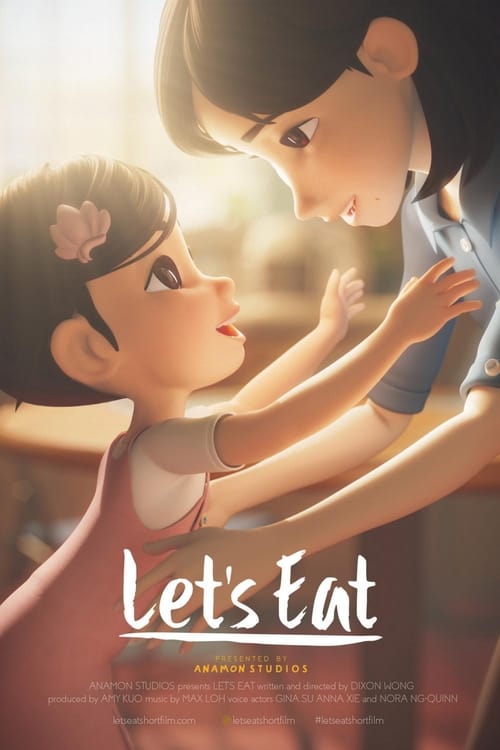
Let's Eat offers a heartfelt look at the evolving relationship between a single mother and her daughter. By centering the plot on female resilience and the immigrant experience, the film moves away from traditional patriarchal structures and mainstream homogeneity. The use of cooking as a bridge for emotional connection provides a rich opportunity for cultural specificity. This focus on domesticity and culinary heritage allows for a nuanced exploration of diaspora and identity. However, the film remains centered on universal emotional arcs. While it elevates female empowerment, it lacks explicit evidence of systemic deconstruction or diverse identity representation beyond the central maternal bond.
Category Breakdown
The story focuses on a maternal bond without delving into LGBTQ+ identities or romantic relationships. There is no clear indication of specific LGBTQ+ character's ability to drive the story within the story.
The film centers on female empowerment and the maternal experience. It steers clear of traditional patriarchal clichés by highlighting household leadership and emotional labor through a single mother's perspective.
The story hints at a narrative of migration or diaspora through a parent in an unfamiliar country. Culinary traditions serve as a means to celebrate non-Western heritage.
The film examines the tension between traditional family structures and the challenges of growing up. It emphasizes reconciliation through domesticity rather than direct criticism of broader societal issues.
There is no mention of characters with visible or invisible disabilities in the provided information.
Present on Screen
Limited or Absent
Official Synopsis
As a single parent in an unfamiliar country, Ma’s entire life centers around raising Luan, her rambunctious young daughter. Likewise, Luan spends her childhood indulging in endless quality time with her playful, loving mother. However, as Luan grows up, it isn’t long before daily life interferes and causes mother and daughter to grow apart. By channeling their feelings into cooking, the two strive to find their way back to each other, one homemade meal at a time.
2018
2018

2021
1994
2019
2017

2025

2019
No reviews yet. Be the first to share your thoughts on this movie!
Use the rating form above to leave a star rating and optional review.