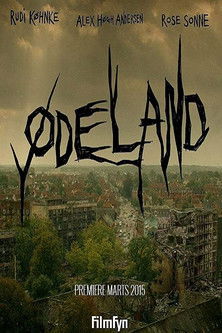
Ødeland
2015
No user ratings available yet
Representation score: 5.4 out of 10
Representation Score
Fair
2019
TV-MADirector
Luke Sullivan
Runtime
75 minutes
Average Rating
No ratings yetNew Showbiz Analysis
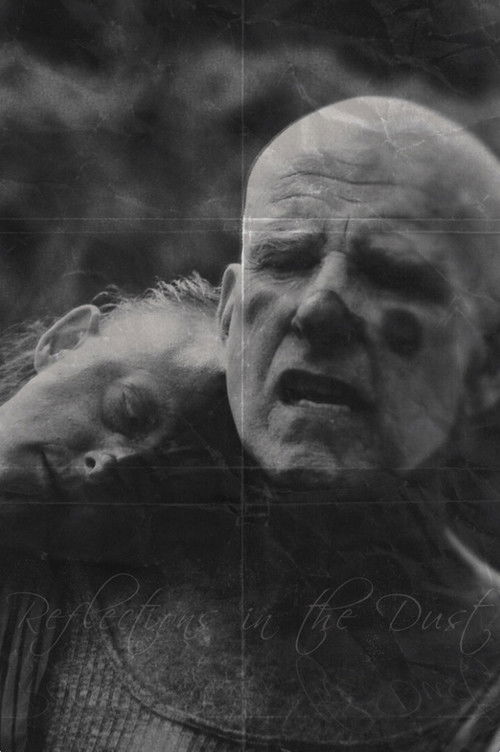
Reflections in the Dust is a nihilistic study of existentialism rather than a vehicle for celebrating multiple aspects of identity. It succeeds in deconstructing traditional spiritual and cultural frameworks, presenting a world stripped of divine providence and systemic stability. However, the film lacks visible markers of identity-based representation. While it explores the fringes of society, it does not provide specific, empowered narratives for LGBTQ+ individuals, diverse racial groups, or people with disabilities. The result is a film that prioritizes a critique of social and religious structures over the celebration of diverse lived experiences.
Category Breakdown
The film does not explicitly depict non-straight relationships or same-sex intimacy. While it explores social exclusion, there is no specific narrative critiquing the assumption that everyone is straight or cisgender.
A female character's skepticism towards love challenges traditional romanticized femininity. The survivalist bond between a father and daughter moves away from idealized domesticity, though the impact of gender roles remains unclear.
The narrative provides no specific information regarding the racial or ethnic composition of the cast. Therefore, the characters' backgrounds cannot be verified.
The film leans heavily into secularism and the deconstruction of Western institutional stability. It portrays a world where hope, the afterlife, and God have vanished.
Themes of loneliness and social exclusion are present, but there is no explicit evidence of characters with disabilities having real control over their lives. Characters seem defined by their environment.
Present on Screen
Limited or Absent
Official Synopsis
“I don’t believe in love because I’ve never seen it,” responds a young woman to an unseen interviewer in the first few minutes of the movie. This bleak portrait of loneliness and social exclusion is set on the edge of a desolate swamp where an aging clown and his daughter are struggling to survive. The location could be the end of the world, a place where hope has vanished along with a belief in the afterlife and the existence of God. The two unfortunates live together without the likelihood of change, as fear, aggression, and anger take hold of them – but they also experience sudden moments of tenderness.
2015
2020
2021
2012
2019
2018
2001
2011
No reviews yet. Be the first to share your thoughts on this movie!
Use the rating form above to leave a star rating and optional review.