Crime Scene
2001
No user ratings available yet
Representation score: 6.4 out of 10
Representation Score
Limited
1997
Director
Michel Poulette
Runtime
101 minutes
Average Rating
No ratings yetNew Showbiz Analysis
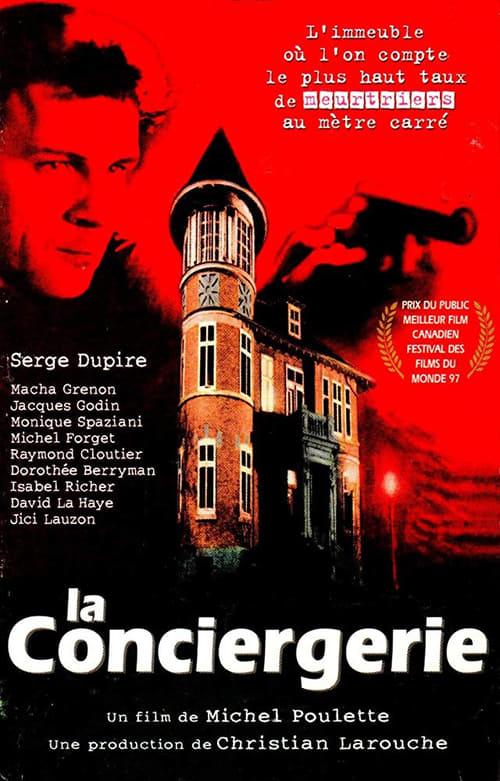
The Haven functions as a traditional crime thriller that emphasizes genre-driven tension over social disruption. The narrative structure adheres to established noir conventions, focusing on a male protagonist's investigation into murder and systemic failures. While the film employs a fragmented, Lynchian style to explore complex morality and the failures of the justice system, it does not actively challenge social hierarchies. The emphasis remains on individual crimes and capitalist greed rather than characters who reflect more than one aspect of diversity. Ultimately, the film aligns with the demographic norms of its era and genre, lacking visible efforts to include diverse racial, ethnic, or LGBTQ+ perspectives.
Category Breakdown
The film does not feature any explicit LGBTQ+ characters or narratives. The storyline revolves around a detective's personal struggles and traditional family life, particularly his wife leaving him.
Jacques Laniel is the main character in a typical noir setting. Women appear mainly as catalysts for his emotional journey or as clients within a patriarchal framework.
The story focuses on a specific socio-economic environment involving land speculation. There is no indication of a diverse cast or efforts towards characters who reflect more than one aspect of diversity.
The film examines moral relativism through its depiction of a halfway house for killers. It critiques capitalist greed via a land-speculation plot.
There is no information about the portrayal of physical or neurodivergent disabilities. The term 'monsters' refers to the residents' criminal backgrounds rather than any disability.
Present on Screen
Limited or Absent
Official Synopsis
Police detective Jacques Laniel's life becomes a nightmare the day drive-by shootists gun down his partner Thomas Colin. His colleagues make matters worse by blaming him for the death, and after his wife leaves him, Laniel decides to quit the force and launch a private investigation into Colin's murder. Soon afterward, Laniel finds the bullet-riddled body of famed author and literature professor Zachary Osborne tied to his car hood. The professor's wife hires Laniel to solve the murder, but what the detective finds is ugly: Osborne was a part of a lucrative land-speculation deal that involved the sale of a crumbling old rectory that had been turned into a halfway house called the Haven of the Monsters. The name is apt, for all the residents are convicted killers who were given inordinately light sentences. When Lanier starts questioning the Haven's tenants and their crimes are revealed via flashback, it takes on the character of a David Lynch production.
2001
1989
2000

2019
1984

1984
2011
1991
No reviews yet. Be the first to share your thoughts on this movie!
Use the rating form above to leave a star rating and optional review.