
Irmã Dulce
2014
No user ratings available yet
Representation score: 5.9 out of 10
Representation Score
Good
1995
Not RatedDirector
Bassek Ba Kobhio
Runtime
94 minutes
Average Rating
No ratings yetNew Showbiz Analysis
The film's primary strength lies in its structural subversion of the colonial gaze. By employing an African director to interpret a European historical figure, it shifts the narrative from a Western hagiography to a post-colonial critique. This approach effectively moves African subjects from the periphery to the center of the interpretive lens. However, the film's representation of specific identities remains limited. While the racial and cultural frameworks are robust, there is little evidence regarding LGBTQ+ themes or specific gendered character arcs. The portrayal of disability is also tied to the medical setting, leaving questions about whether these characters are treated with true control. Ultimately, the work functions as a powerful tool for reclaiming historical control, even if it lacks depth in individual identity representation.
Category Breakdown
The film does not include explicit evidence of LGBTQ+ characters or non-straight identities. The narrative focuses primarily on the medical and theological legacy of Albert Schweitzer.
Set in a 1900s Gabonese mission hospital, the film likely reflects traditional colonial gender roles. However, the African-centric perspective may offer a challenge to standard Western patriarchal narratives.
The film excels by centering an African perspective on a Western icon. This disrupts the Eurocentric monopoly on Schweitzer's legacy and reclaims control for the African population.
The narrative critiques Western missionary work and the 'civilizing mission' cliché. It uses an ambivalent lens to examine the complexities of religious imposition in Gabon.
As a film set in a medical mission hospital, characters dealing with illness and trauma are present. It remains unclear if these characters have real control or serve as plot devices.
Present on Screen
Limited or Absent
Official Synopsis
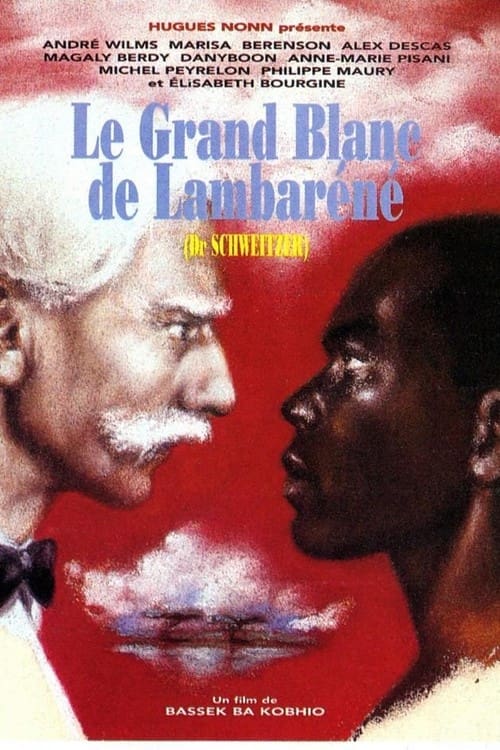
Albert Schweitzer (1875-1965), the mission doctor, theologian and philosopher who founded a hospital in the rainforests of Gabon, achieved sainthood in his lifetime, at least in the popular imagination. The critical assessment of his life and works in recent years, however, has been slightly more ambivalent. Ba Kobhio Bassek is the first director to examine this medical missionary from a purely African point-of-view.
2014

2020
1948
2017

1947

2010

2007

2008
No reviews yet. Be the first to share your thoughts on this movie!
Use the rating form above to leave a star rating and optional review.